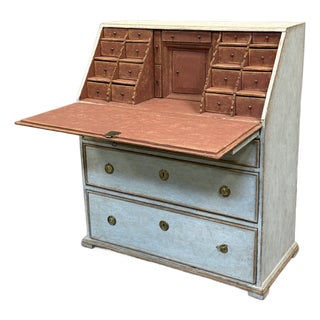
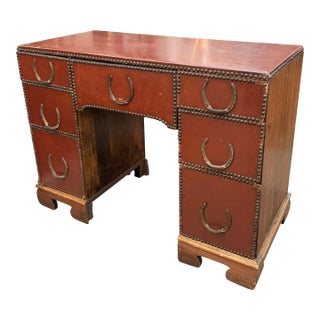
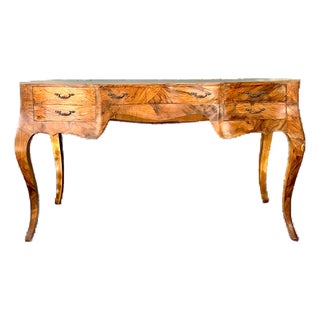
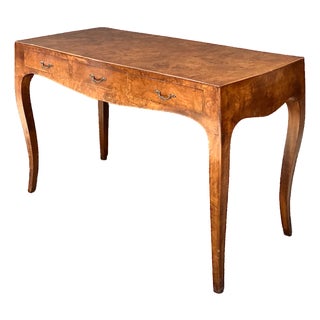
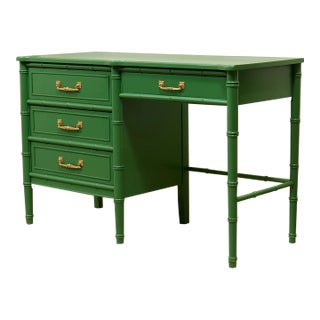
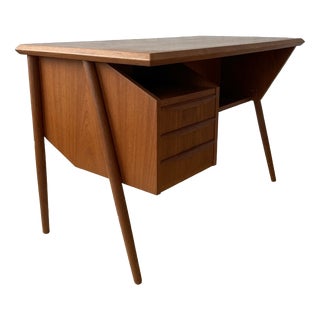
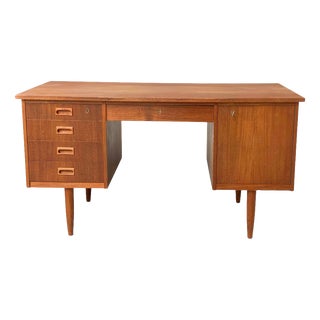
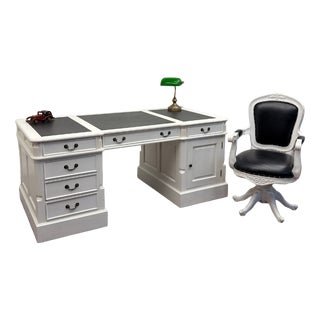
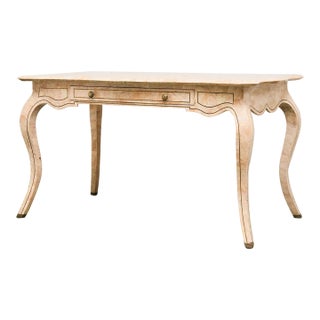
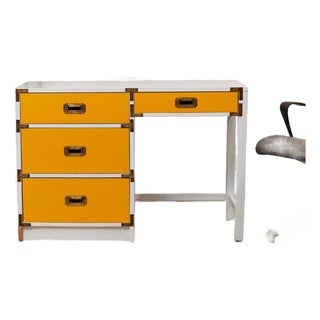
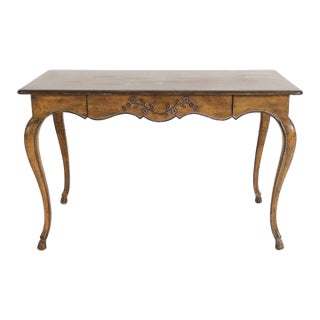
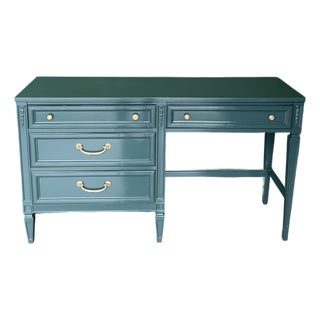

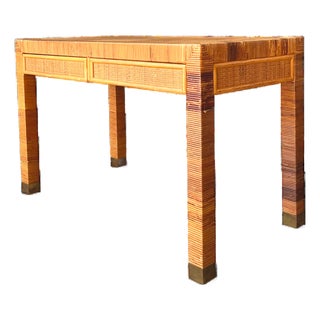
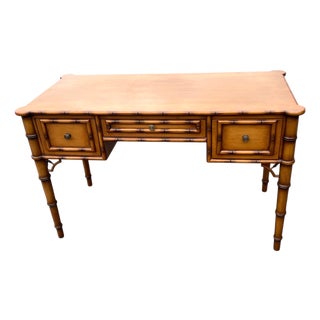
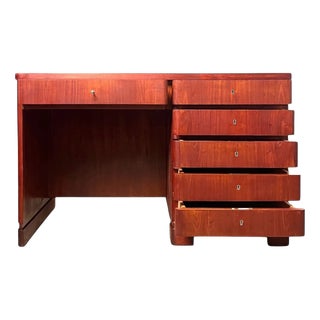
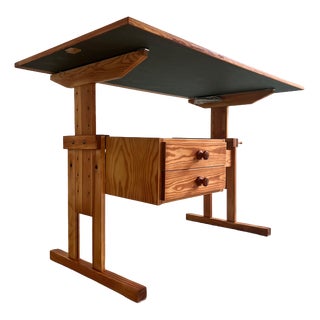
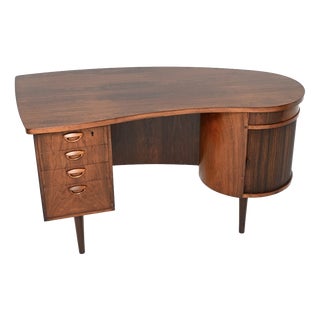
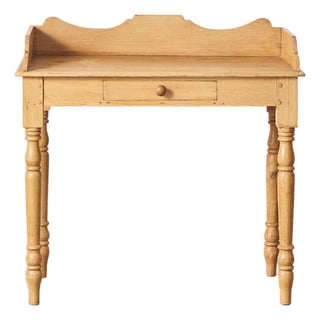
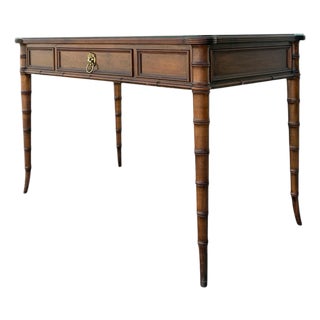

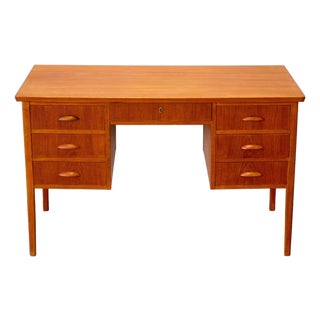
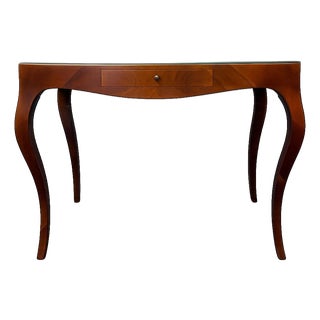

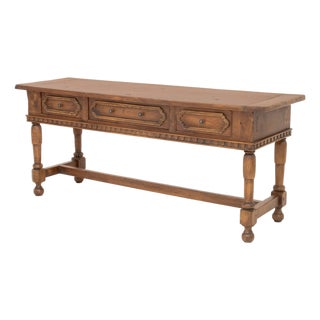
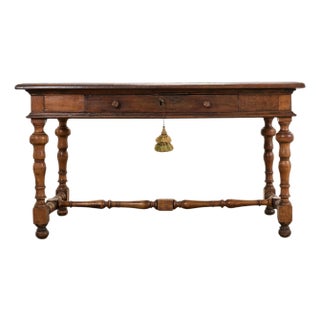
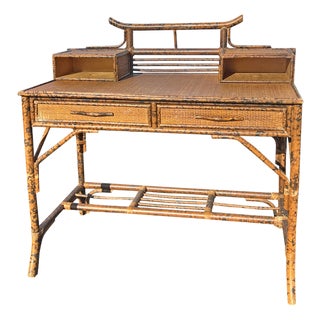
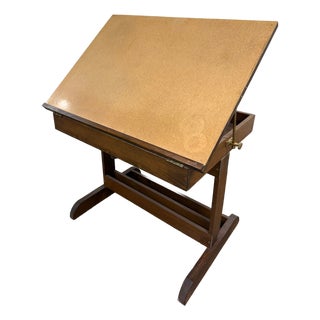
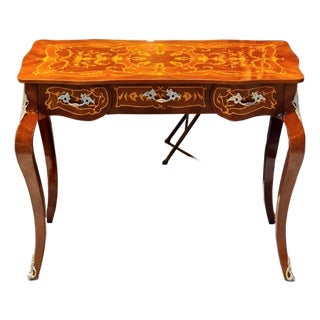
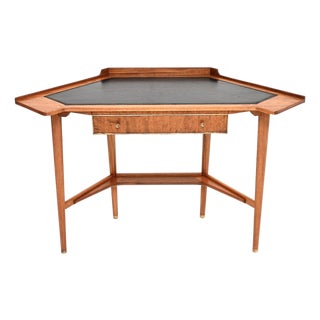
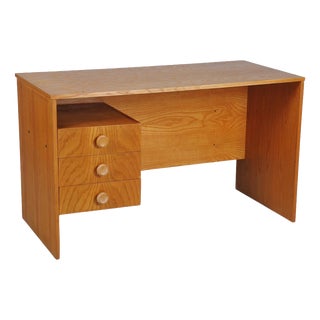
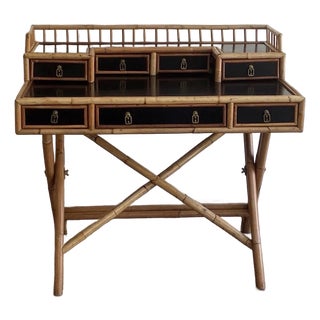
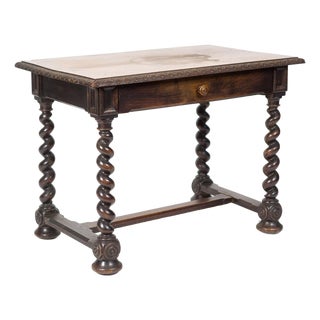
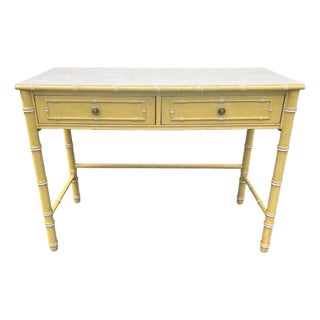
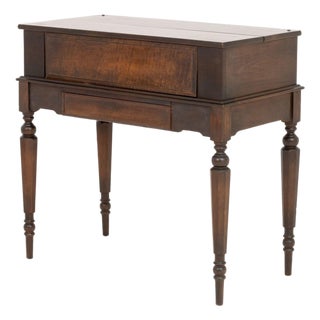
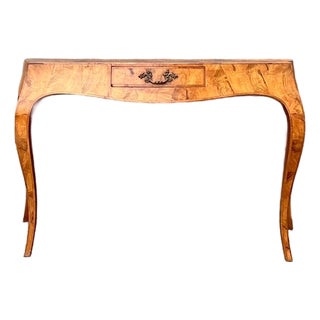
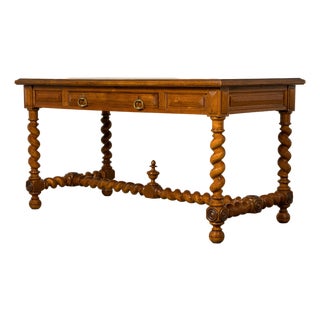
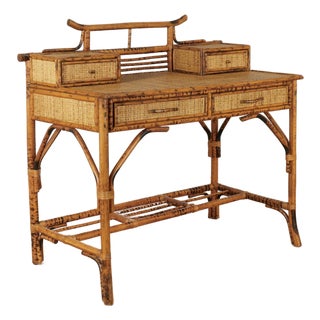

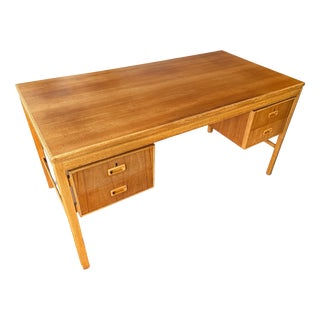
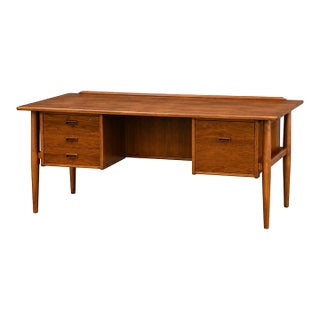
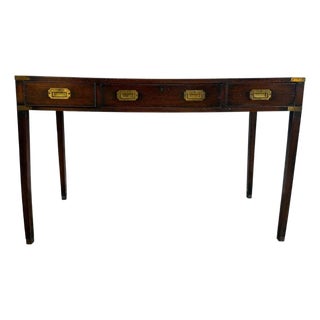
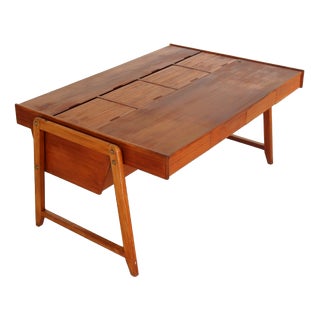
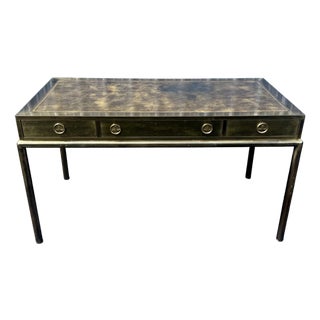
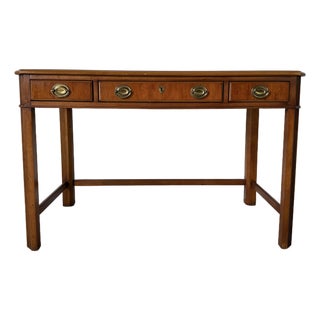
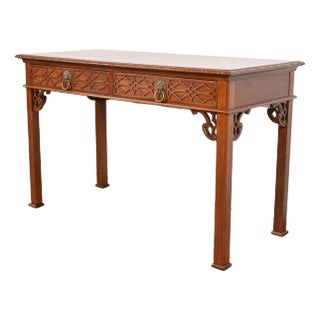

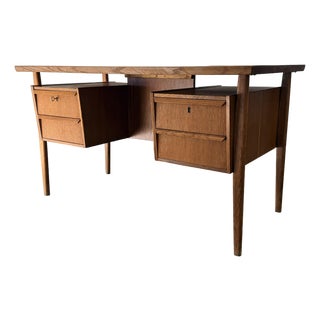
Facing serious writer’s block? Need to revamp your office to get your creativity flowing again? Then dive into Chairish’s vast collection of new, antique, and vintage writing desks! In general, a writing desk, antique, vintage, or new, is smaller than a computer desk with a simple worktop and one or two drawers. A beautiful antique writer's desk can be a great addition to any traditional study or office as well as serve as a simple vanity for jewelry, make-up, and hairstyling.
Pick out your next eye-catching, vintage writing desk from Chairish’s exclusive collection!
As always, our in-house team of experienced curators have examined each new, vintage, and antique writing desk for quality, authenticity, and style, selecting only the best for our collection. With a wide variety of options, you can take your time scrolling through our new, vintage, and antique writing desks or use our simple search filters to easily sort our writing desks by color, size, style, and even table shape, so you can find the perfect antique writing desk you need to complete the artistic vision you have in your mind!
Related Collections
- New & Custom Writing Desks
- Bright Green Writing Desks
- Gunni Omann Writing Desks
- Rope Writing Desks
- Mahogany Writing Desks
- Lexington Furniture Writing Desks
- Walnut Writing Desks
- Arts and Crafts Writing Desks
- English Traditional Writing Desks
- French Writing Desks
- Green Writing Desks
- Ladies Writing Desks
- Louis XVI Writing Desks
- Stanley Furniture Writing Desks
- Maitland - Smith Writing Desks
- Italian Writing Desks
- Black Writing Desks
- Pine Writing Desks
- Japanese Writing Desks
- Louis XV Writing Desks
- Antique Writing Desks
- Bamboo Writing Desks
- Charles Limbert Writing Desks
- Mid-Century Modern Writing Desks
- Mother-of-Pearl Writing Desks