


Details
Description
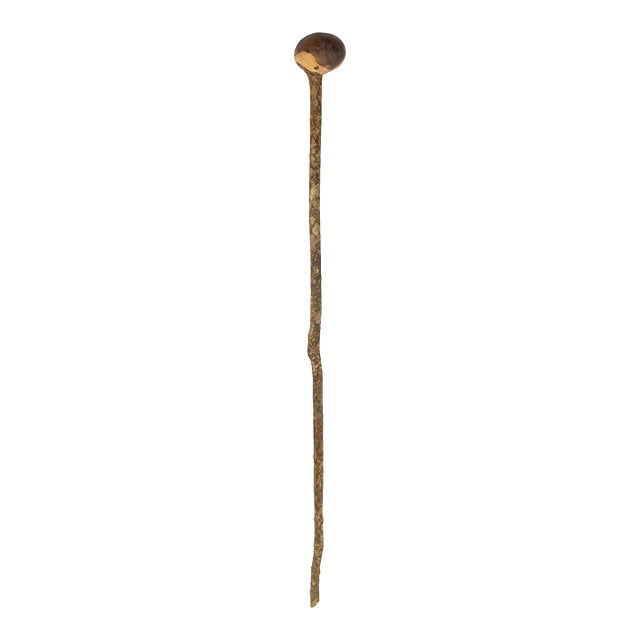
Zulu Knobkerrie is a form of African art that is traditionally practiced by the Zulu people of South Africa. The …
Read more
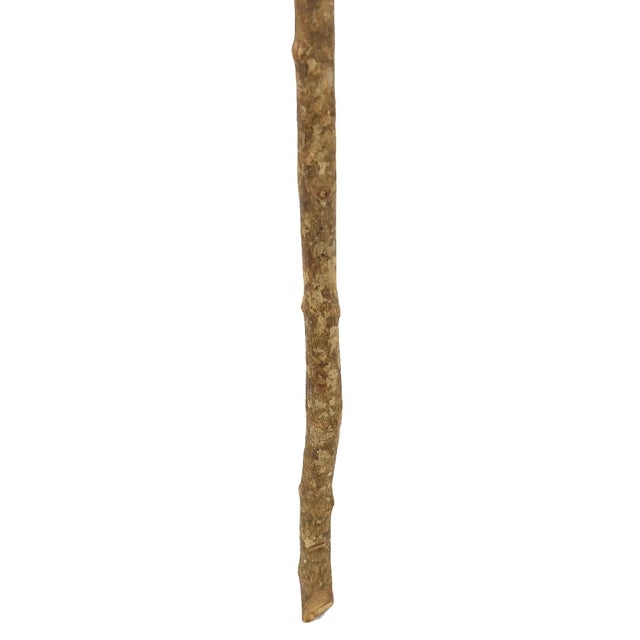
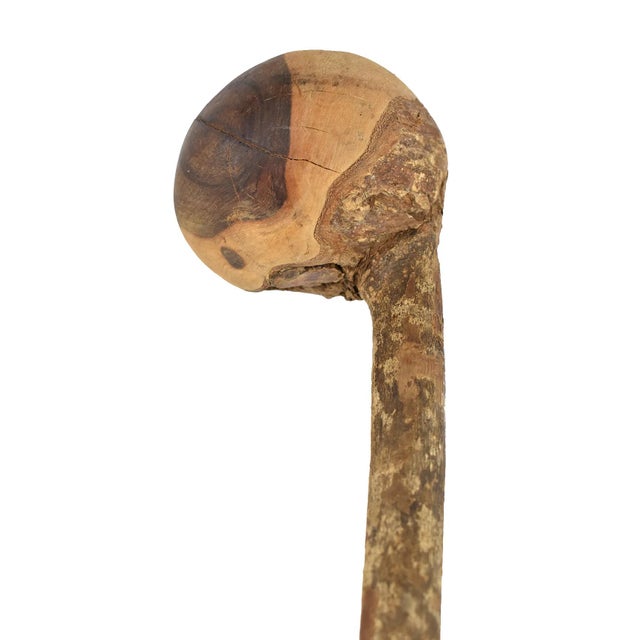
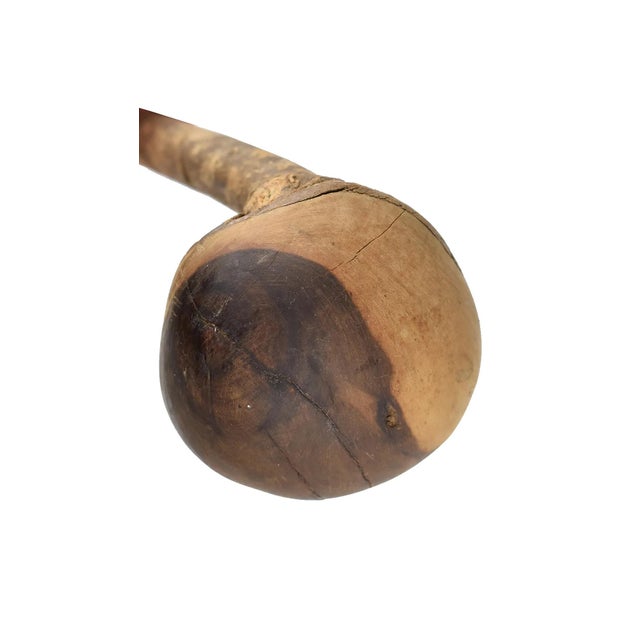
Zulu Knobkerrie is a form of African art that is traditionally practiced by the Zulu people of South Africa. The Knobkerrie is a short wooden club, with a rounded head that is used as both a weapon and a symbol of authority.
The Zulu people have a long and rich history of woodworking, and their traditional crafts are highly prized for their intricate designs and skilled workmanship. Knobkerries are often adorned with intricate carvings that depict important events, people, or animals in Zulu culture.
The process of creating a Knobkerrie involves selecting the right piece of wood, typically a dense and durable hardwood such as African blackwood, and carving it into the desired shape. The carver will carefully shape the head of the club, creating a smooth and rounded surface that is both visually appealing and functional as a weapon. The handle is also carved to fit comfortably in the hand, with a flared base to prevent it from slipping out during use.
Once the basic shape of the Knobkerrie has been carved, the artist will begin the process of adding intricate designs and patterns. These designs can range from simple geometric shapes to highly detailed depictions of people, animals, and landscapes. The carver will use a variety of tools to create these designs, including chisels, knives, and sandpaper.
One of the most iconic features of Zulu Knobkerrie is the use of intricate beadwork to embellish the handle. The beads are carefully selected to complement the colors and patterns of the carving and are often arranged in complex geometric patterns.
Zulu Knobkerries are not just functional weapons but are also highly prized works of art. They are often displayed in museums and art galleries around the world and are highly sought after by collectors and enthusiasts of African art. The intricate carvings and beadwork that adorn these clubs are a testament to the skill and creativity of the Zulu people and serve as a powerful symbol of their rich cultural heritage.
Provenance: These are from the collection of Dori Angus Verhoeg from Mbabane, Eswatini. Dori was a beloved friend of ours. We met her in 1994 when we lived in Southern Africa, driving around with our three youngest children in a used camper van. We met Dori at the wonderful gallery she ran, Indiglizi. She died several years ago, and her children, Anthony and Sonia Angus made her collection available to us when they closed the gallery this year due to COVID. Dori had an infallible eye.
Height (In)Â 38.0Width (In)Â 3.0Depth (In)Â 3.0
136070
See less
- Dimensions
- 3ʺW × 3ʺD × 38ʺH
- Styles
- African
- Period
- Early 20th Century
- Country of Origin
- South Africa
- Item Type
- Vintage, Antique or Pre-owned
- Materials
- Wood
- Condition
- Good Condition, Original Condition Unaltered, Some Imperfections
- Color
- Brown
Questions about the item?
Returns & Cancellations
Return Policy - All sales are final 48 hours after delivery, unless otherwise specified in the description of the product.
Cancellation Policy - Prior to shipping or local pickup, buyers may cancel an order for up to 48 hours, unless otherwise specified.
Related Collections
- Virginia Metalcrafters Home Accents
- Frederick Cooper Home Accents
- Moser Glassworks Home Accents
- Piero Fornasetti Home Accents
- Carlo Scarpa Home Accents
- Pearl Home Accents
- Line Vautrin Home Accents
- Viking Glass Company Home Accents
- Design Home Accents
- Gracie Home Accents
- Kay Bojesen Home Accents
- Stickley Home Accents
- 9K Gold Home Accents
- Bijan Home Accents
- Dimitri Omersa Home Accents
- Unlacquered Brass Finish Home Accents
- Shagreen Home Accents
- Violet Home Accents
- Vanilla Home Accents
- Medium-Density Fibreboard Home Accents
- Home Accents in Des Moines, IA
- Mission Home Accents
- Verdigris Copper Finish Home Accents
- Goat skin Home Accents
- Ruby Home Accents