

Cheshire Antiques Consultant LTD
Chester, Cheshire West and Chester
Since 2021100+ sales
2x Super Seller

Details
Description
Baroque Nobility Masterpiece in Graphite: John VIII, Count of Nassau, Lord of Cattenell and Beilstein, in Armor — After Van …
Read more
Baroque Nobility Masterpiece in Graphite: John VIII, Count of Nassau, Lord of Cattenell and Beilstein, in Armor — After Van Dyck
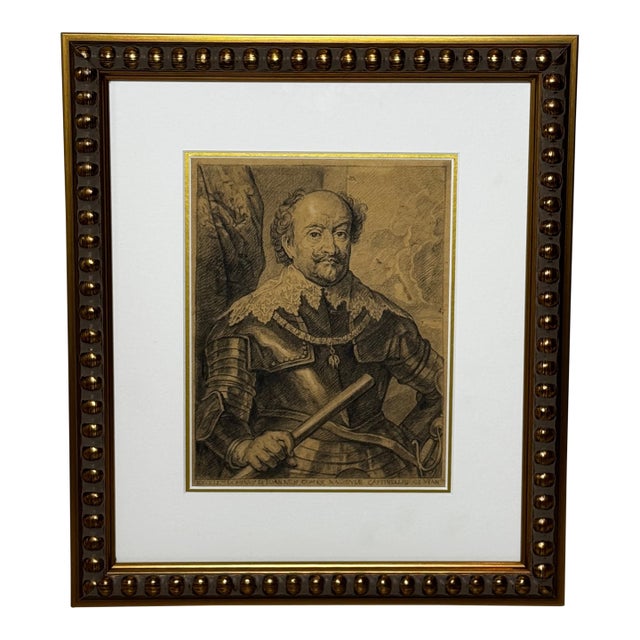
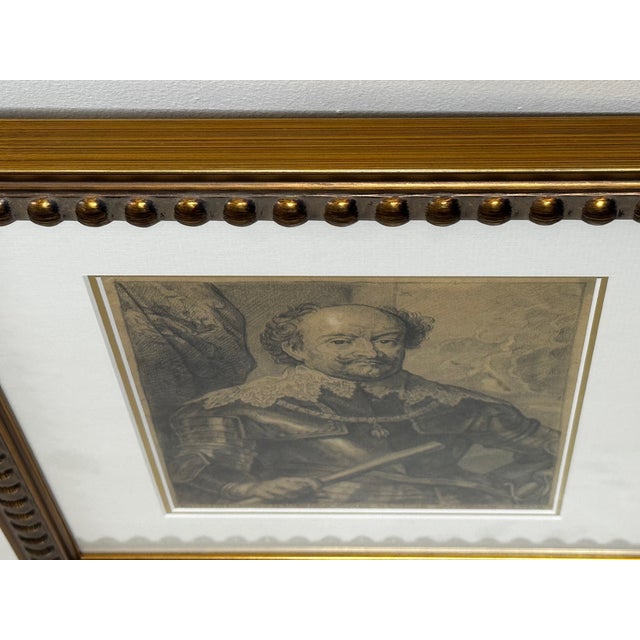
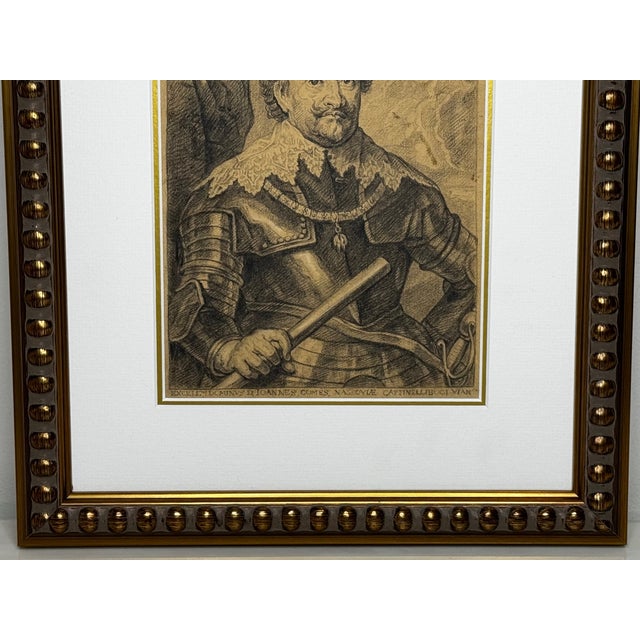
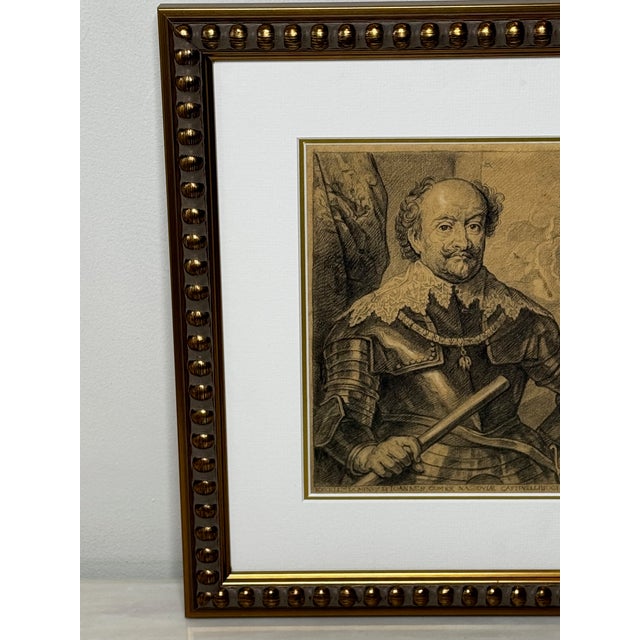
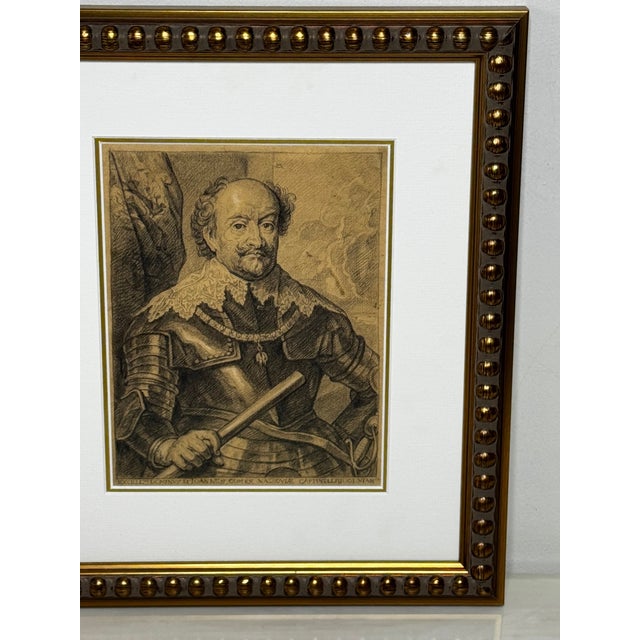
A refined Continental School graphite drawing after Sir Anthony van Dyck, portraying John VIII, Count of Nassau (1583–1638) in ceremonial armor. This cabinet-scale Old Master–style work combines aristocratic presence with meticulous draughtsmanship, and is presented ready to hang in a decorative gilt wood frame.
Subject and Medium
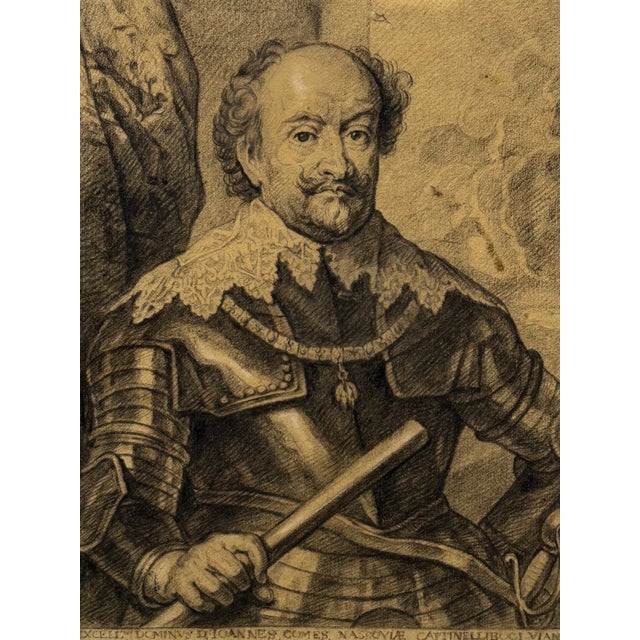
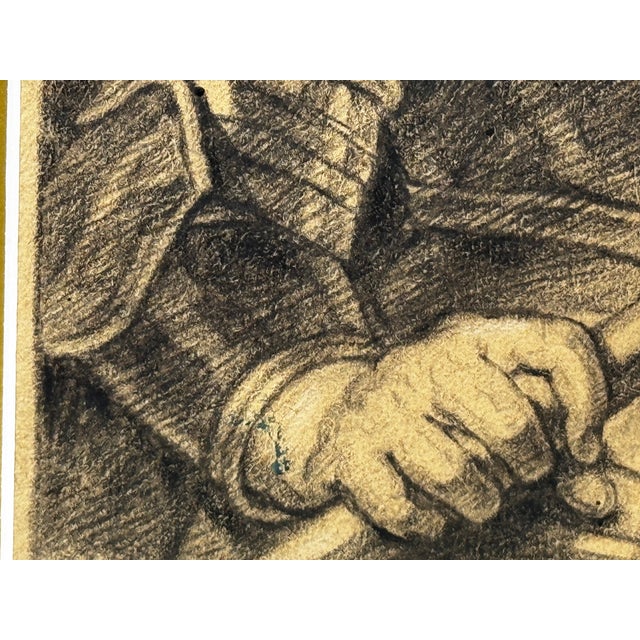
Subject: Portrait of John VIII, Count of Nassau, Lord of Cattenell and Beilstein (1583–1638), shown half-length in armor with a formal Latin honorific caption.
Artist/School: Unknown Old European Master, Continental School, late 18th to early 19th century
After: Sir Anthony van Dyck (1599–1641)
Engraved prototype: Paulus Pontius (after Van Dyck), published by Martinus van den Enden
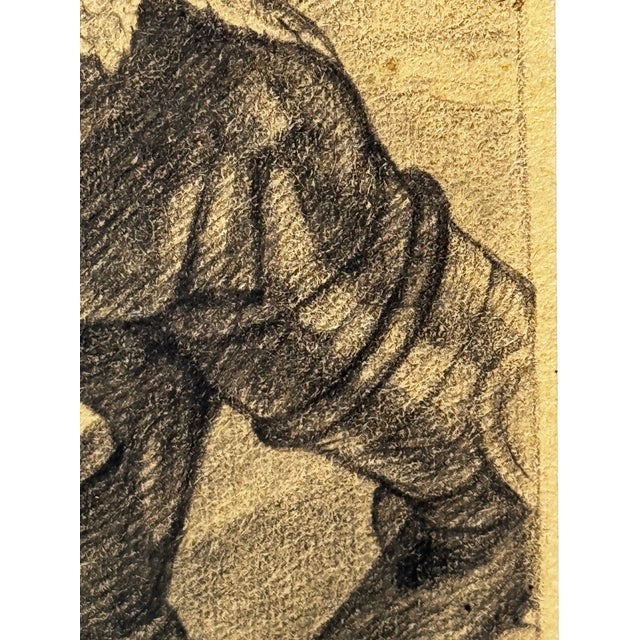
Medium: Graphite on paper
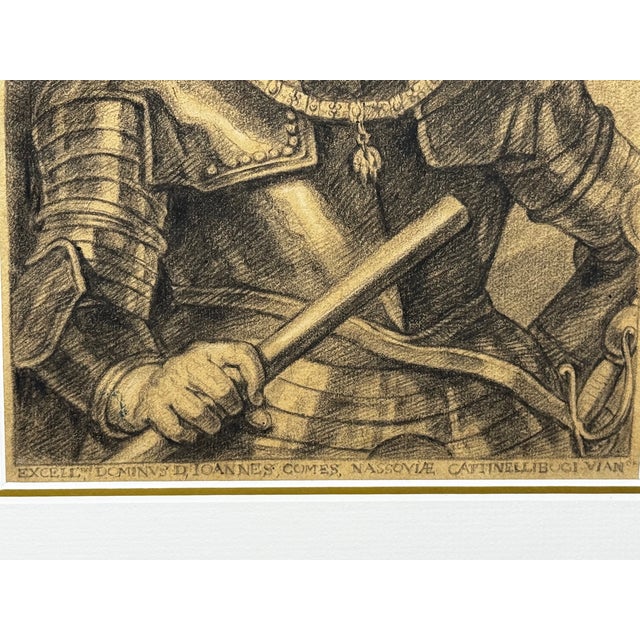
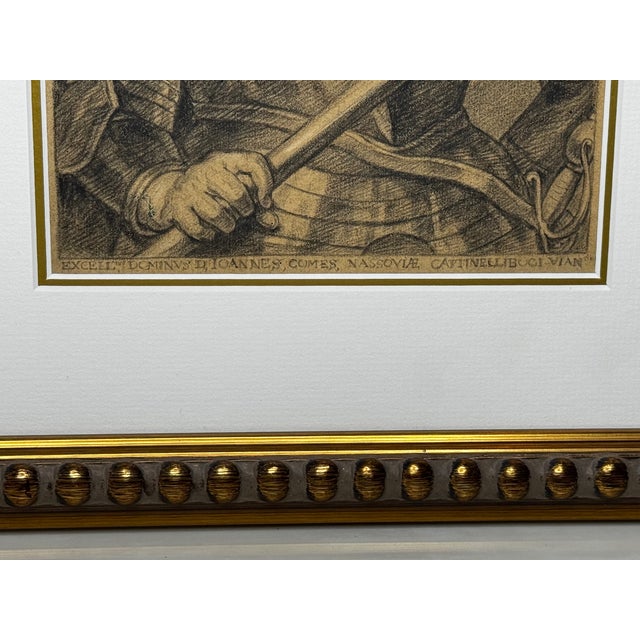
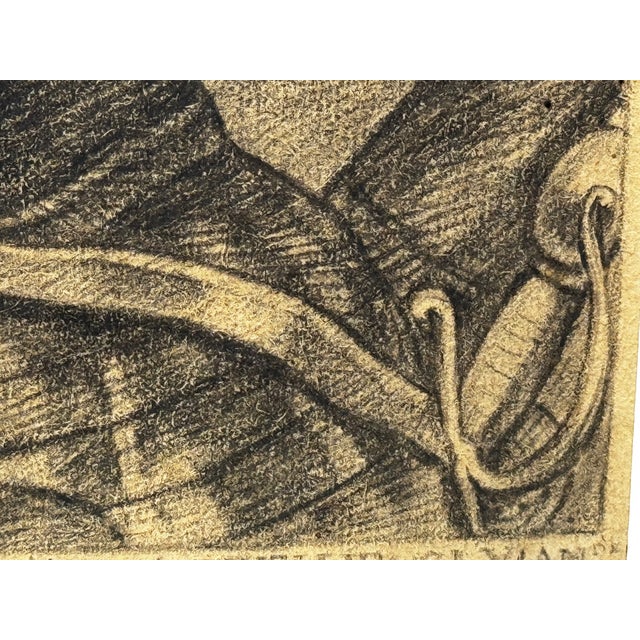
Inscription (lower margin, recto, Latin):
Excellentissimus Dominus Dominus Ioannes, Comes Nassoviae, Dominus Cattenell et Beilstein.
Translation: “The Most Excellent Lord, Sir John, Count of Nassau, Lord of Cattenell and Beilstein.”
A prestige caption typical of 17th-century engraved portrait series, asserting rank, lineage, and legitimacy.
Composition and Technique
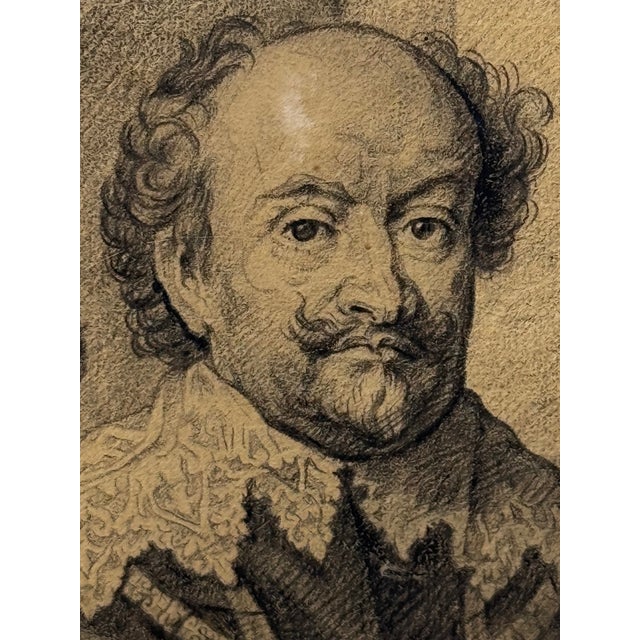
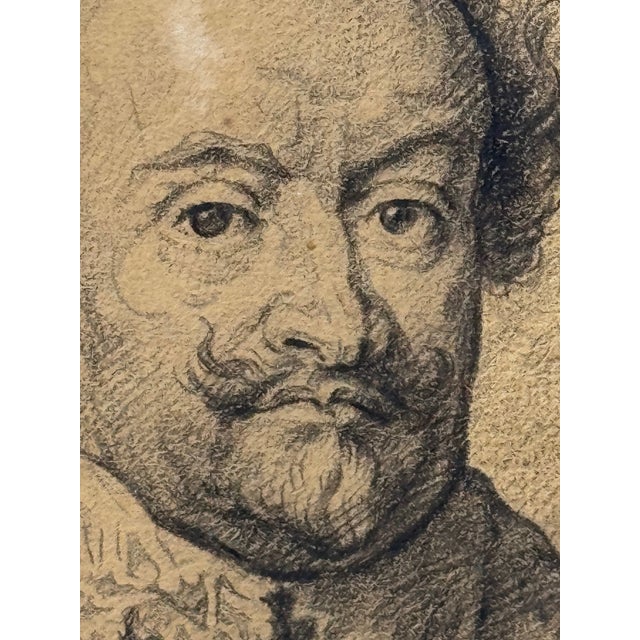
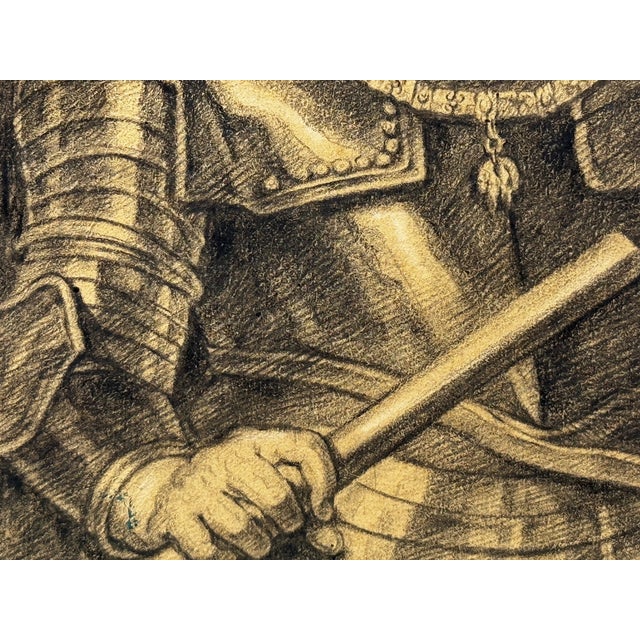
The sitter turns slightly toward the viewer with a calm, self-possessed gaze. Polished plate armor conveys inherited martial responsibility, while the elaborate lace collar signals court culture and elevated status. A baton of command crosses the torso on a decisive diagonal, reinforcing leadership and authority. The drawing shows controlled tonal range, crisp contouring for armor and collar, and softer background handling for depth—delivering Baroque gravitas in an intimate, collector-friendly scale.
About the Sitter
John VIII belonged to the influential House of Nassau, a dynasty central to early modern European politics. In this period, portraiture functioned as public proof of legitimacy and readiness to rule. The iconography is deliberate: armor for noble duty, baton for command, lace for refinement. Van Dyck’s portrait language—widely circulated through engravings—balanced power with psychological presence, making this type especially enduring and desirable for collectors.
Historical Significance
This drawing sits at the intersection of three collectible traditions: Van Dyck’s courtly portrait ideal, the engraved dissemination of canonical images through Pontius and van den Enden, and later connoisseurship in which academically trained artists preserved Old Master models for study and collecting. It is a tangible link between Baroque invention and later scholarly re-translation into graphite.
About the Artist
By an unknown Old European Master, this work reflects academic training and careful fidelity to the Van Dyck/Pontius model. Drawings of this kind were prized for finish, lineage, and intelligible iconography—Old Master in spirit, historically legible, and highly livable on the wall.
Signed and Inscribed
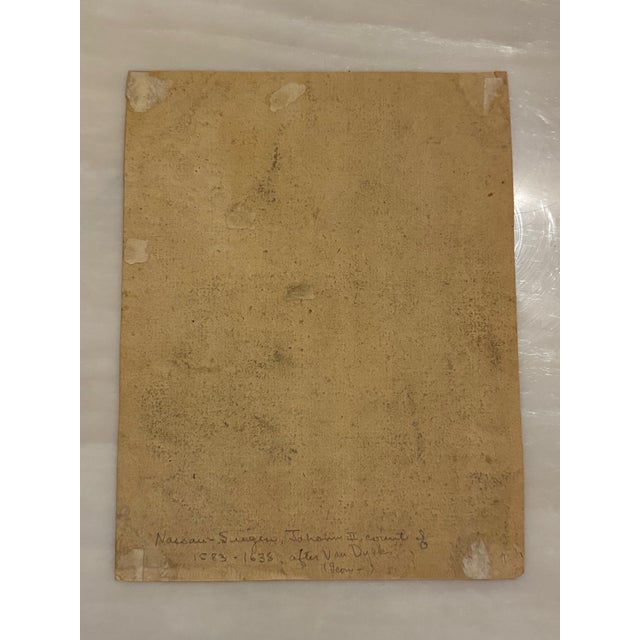
Unsigned, consistent with period “after Van Dyck” cabinet drawings where authority rests in prototype and execution rather than authorship. Inscribed on the paper verso in period pencil with an identifying annotation noting the sitter, dates (1583–1638), and “after Van Dyck.”
Size
Sheet: 24 cm (H) x 19 cm (W)
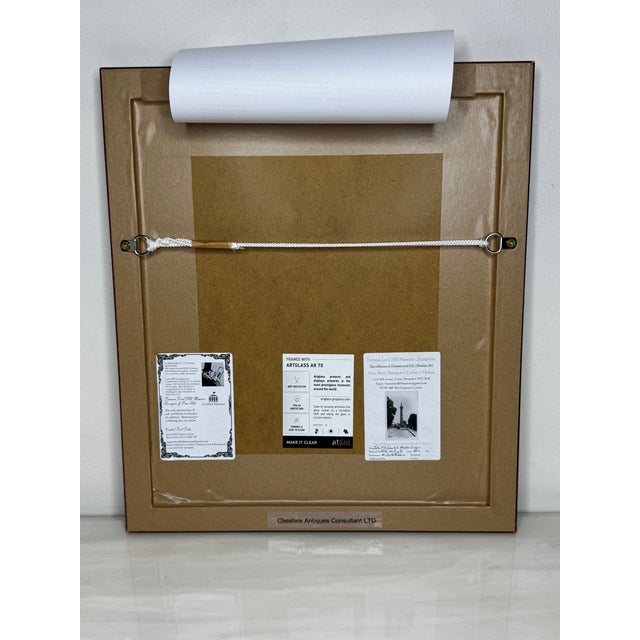
Frame: 35 cm (W) x 40.3 cm (H) x 3 cm (D)
Framed
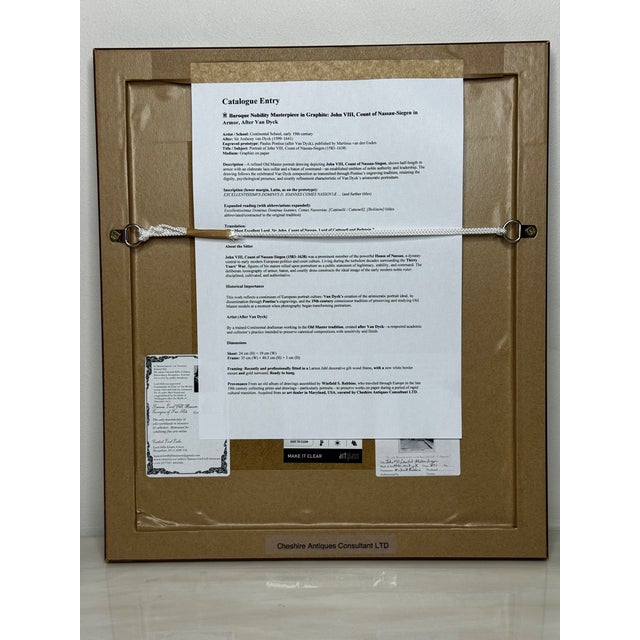
Professionally presented in a Larson Juhl decorative gilt wood frame with a crisp white mount and refined gold inner surround. Clean, architectural, and collector-correct. Ready to hang.
Provenance
From an album of drawings assembled by Winfield S. Robbins, who collected prints and drawings in Europe in the late 19th century. Acquired from an art dealer in Maryland, USA; curated by Cheshire Antiques Consultant Ltd. Exhibited Famous Lord Hill Museum.
Why You’ll Love It
• Van Dyck lineage and Old Master portrait tradition
• Strong decorative impact: armor, lace, and baton read beautifully on the wall
• Ideal scale for library, study, hallway, or salon-style hang
• Connoisseur appeal: canonical prototype and academically trained hand
• Quiet authority that elevates a space without overpowering it
Condition Report
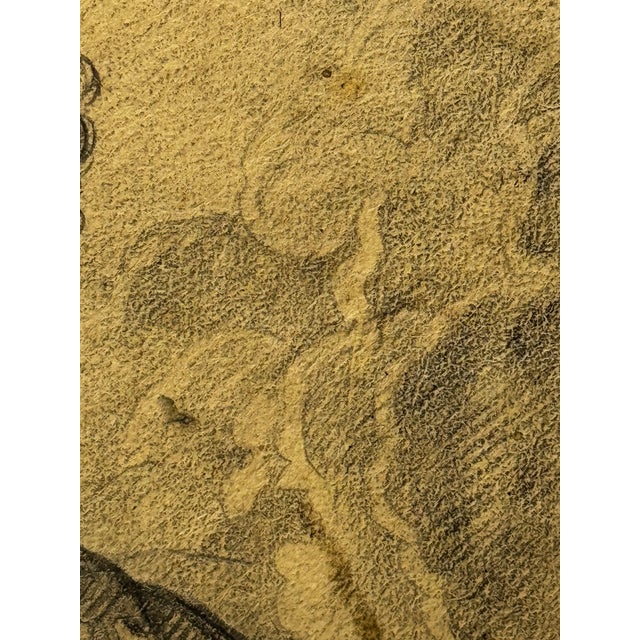
Overall very good condition for a work on paper of this age and type. Even period toning consistent with age and album storage. No visible tears or losses observed. Recto inscription remains legible and integral. Professionally mounted and presented.
Worldwide shipping available. Professionally packaged and fully insured for safe global delivery. Message anytime with questions.
See less
- Dimensions
- 13.77ʺW × 1.18ʺD × 15.86ʺH
- Styles
- Baroque
- Portraiture
- Art Subjects
- Portrait
- Frame Type
- Framed
- Period
- Early 19th Century
- Country of Origin
- Germany
- Item Type
- Vintage, Antique or Pre-owned
- Materials
- Glass
- Graphite
- Paper
- Wood
- Condition
- Good Condition, Original Condition Unaltered, Some Imperfections
- Color
- Gray
- Condition Notes
- Condition Report Overall very good condition for a work on paper of this age and type. Attractive, even period toning … moreCondition Report Overall very good condition for a work on paper of this age and type. Attractive, even period toning consistent with age and album storage. Some foxing staining. No visible tears or losses observed. Lower inscription remains legible and integral to the work’s identity. Professionally mounted and presented. less
Cheshire Antiques Consultant LTD
Chester, Cheshire West and Chester
Since 2021100+ sales
2x Super Seller
Questions about the item?
Returns & Cancellations
Return Policy - All sales are final 48 hours after delivery, unless otherwise specified in the description of the product.
Cancellation Policy - Prior to shipping or local pickup, buyers may cancel an order for up to 48 hours, unless otherwise specified.
Related Collections
- Maison Jansen Drawings
- Piet Hein Eek Drawings
- Carl-Axel Acking Drawings
- Beech Drawings
- Tempera Drawings
- John James Audubon Drawings
- Leroy Neiman Drawings
- Guillaume Azoulay Drawings
- Joseph Stella Drawings
- Erté Drawings
- Salvador Dalí Drawings
- Charcoal Drawings
- Fashion Drawings
- 1950s Fashion Drawings
- Pencil Drawings
- Ink Drawings
- Gustavian (Swedish) Drawings
- Stephanie Cate Drawings
- Art Glass Drawings