

Details
Description
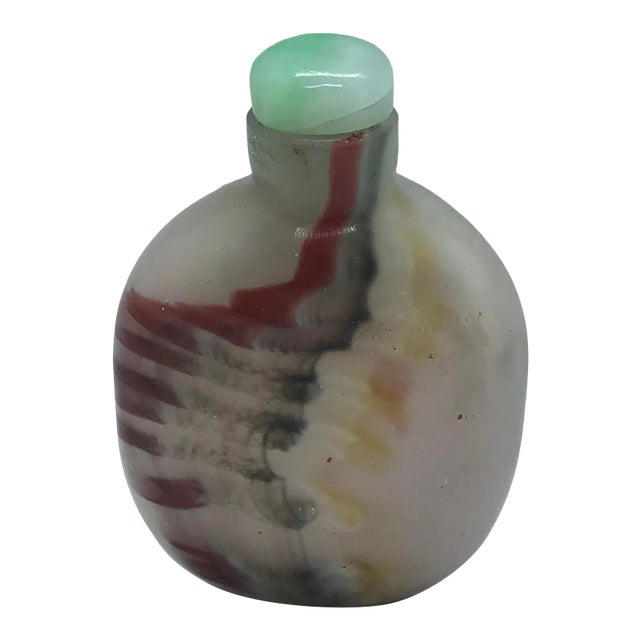
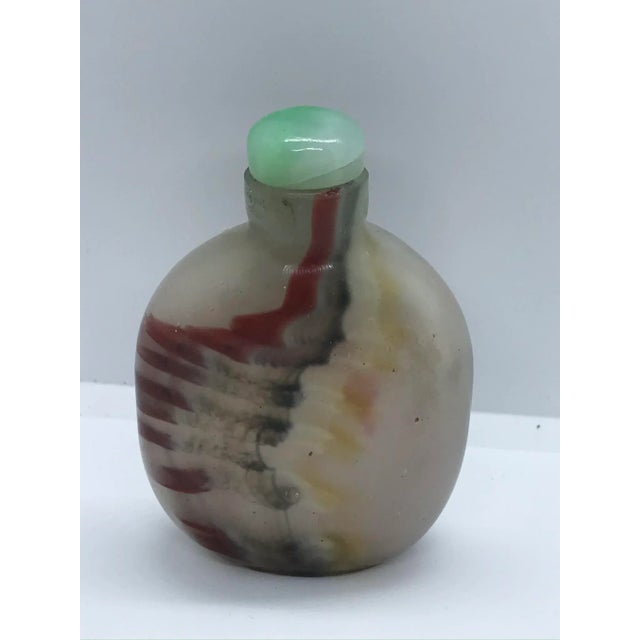
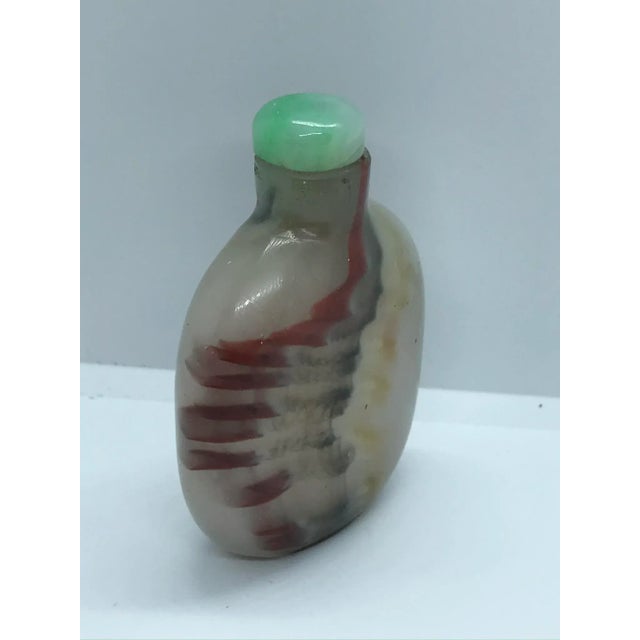
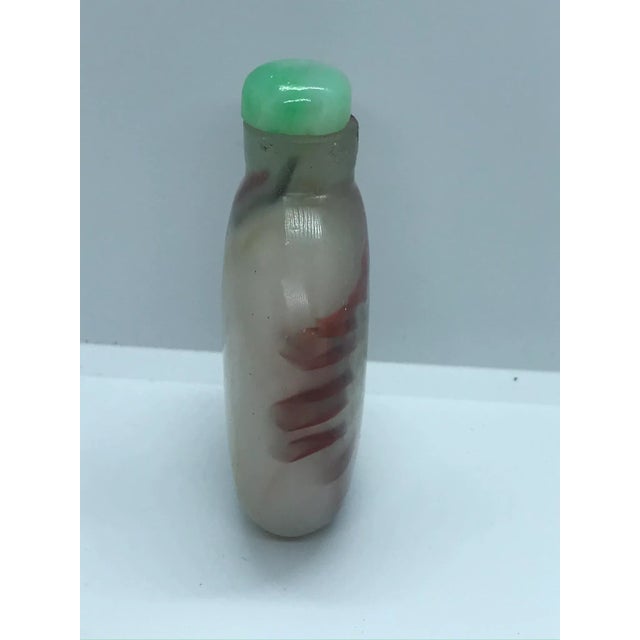
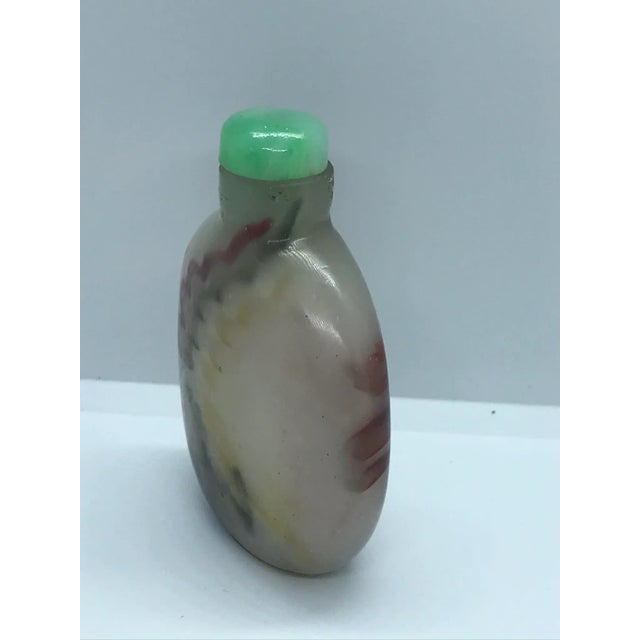
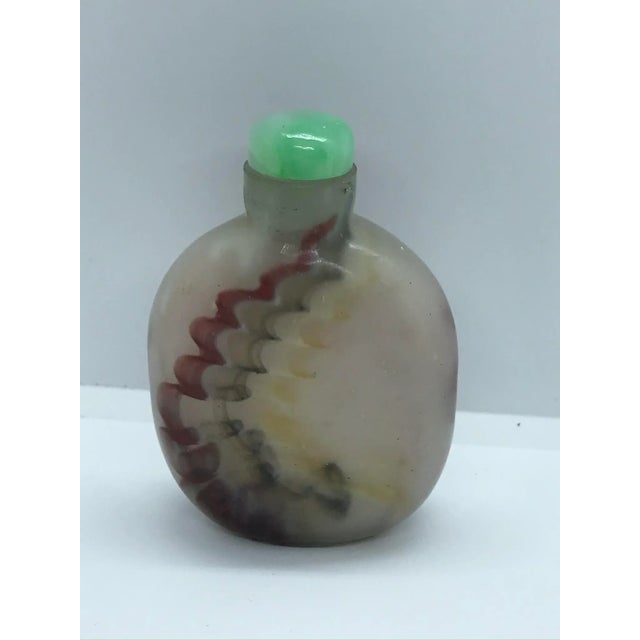
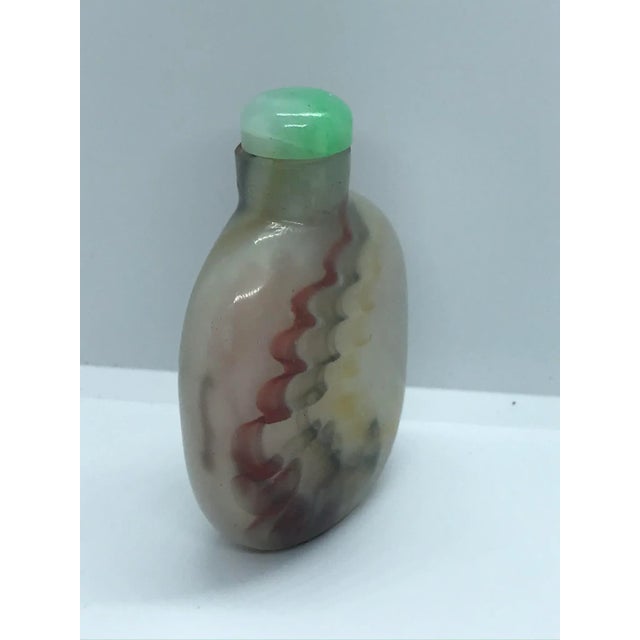
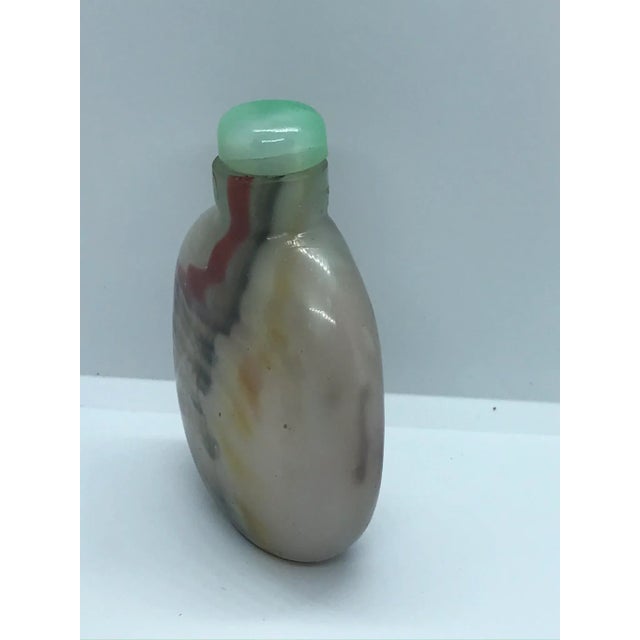
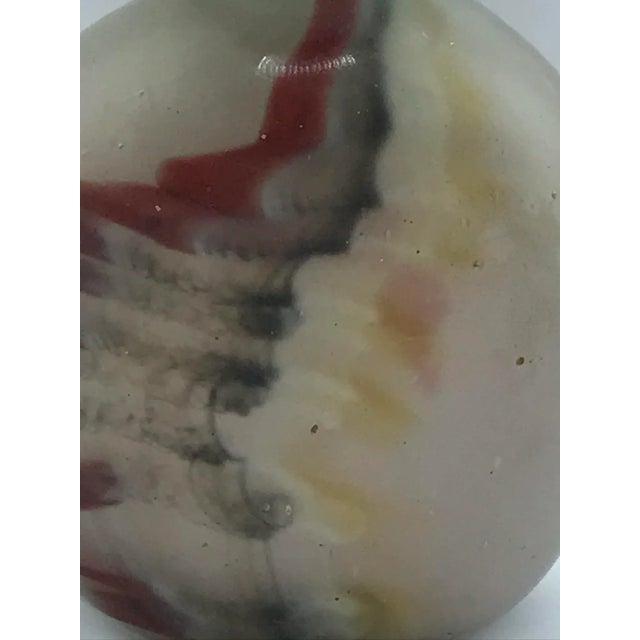
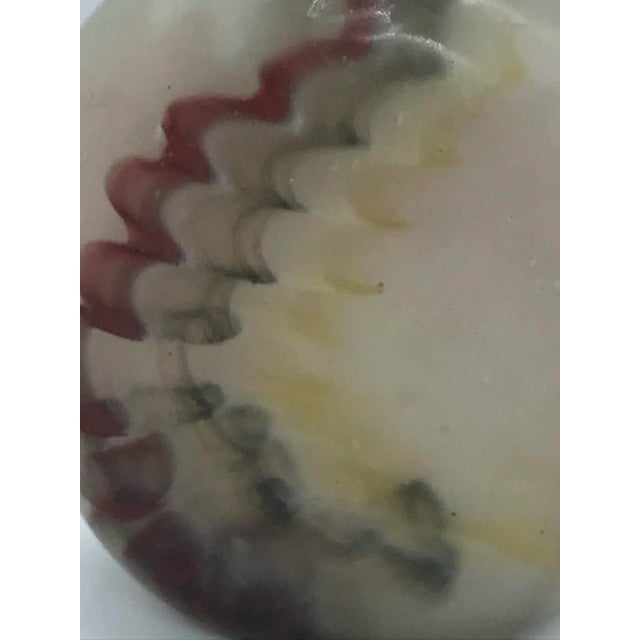
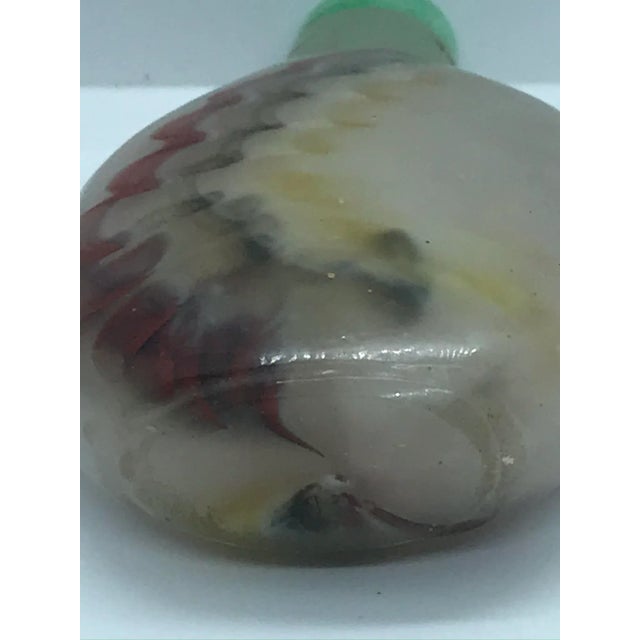
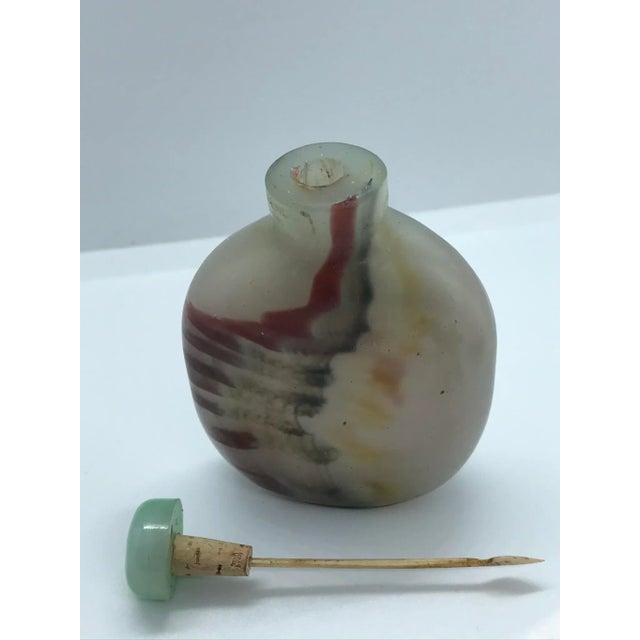
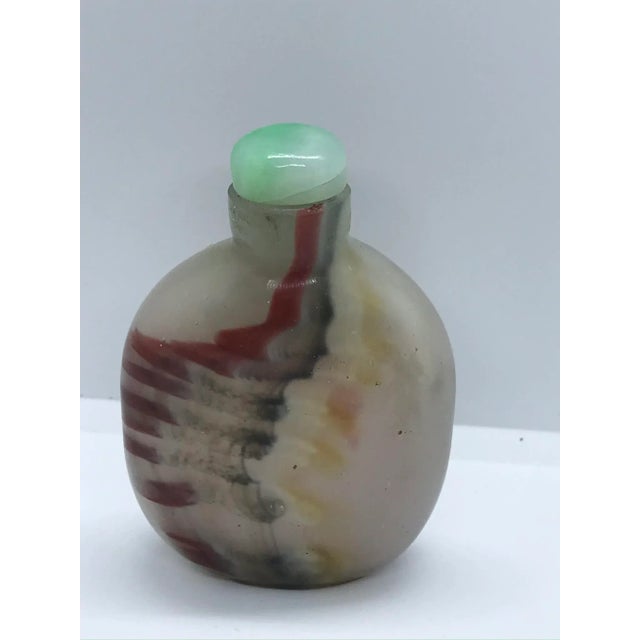
The mission of the Jesuits when they arrived in China at the end of the Ming Dynasty in CE 1644 … Read more The mission of the Jesuits when they arrived in China at the end of the Ming Dynasty in CE 1644 was to spread the word of God and convert the people to Christianity. Their efforts were partly thwarted by the Manchu Emperor Kangxi who, in his thirst for European technology, detained some of the Jesuits priests in the Forbidden City. They became his instructors in the Palace Workshops, teaching glass making, clockworks, cloisonne and painting. The best known Jesuit Giuseppe Castiglione served as the court painter for three Qing Emperors. Emperor Kangxi was fascinated by glass making and thus began the glass industry that is known as Beijing Glass today. The Italian Jesuits taught the Chinese glass makers the same techniques established long ago in places such as Murano Island off near Venice. It is the same technique of fusing strands of color glass on a blown glass bottle that were employed in making this glass snuff bottle. It has to be the work of a master glass maker. The control over the color glass rods and melt them into folded ribbons is not an easy task. The melting temperature of these color rods, red, grey, white and yellow may differ, some melt faster than the other. So having experience is vital. The bottle is light in weight, and the flattened oblong form feels good in the hand. The sides taper to a small raised oval foot. The top is flat, and the opening is off centered, which is a good prove this is indeed an handmade bottle with some age. It is matched with a light green adventurine top, with a cork stopper holding a bone spoon. The The base is flat showing the swirls of the glass. This process of making this bottle is probably very similar to the methods established by the Imperial Glass Works , but a later production during the Republican Period in China during the 1920's and 1930's. This bottle is very elegant in shape and form. See less
- Dimensions
- 1.75ʺW × 0.5ʺD × 2.75ʺH
- Styles
- Chinese
- Period
- Early 20th Century
- Item Type
- Vintage, Antique or Pre-owned
- Materials
- Glass
- Condition
- Good Condition, Original Condition Unaltered, Some Imperfections
- Color
- Dove Gray
- Condition Notes
- No imperfections per se but it is a handmade piece that has been handled, so it is not all perfect. No imperfections per se but it is a handmade piece that has been handled, so it is not all perfect. less
Questions about the item?
Returns & Cancellations
Return Policy - All sales are final 48 hours after delivery, unless otherwise specified in the description of the product.
Cancellation Policy - Prior to shipping or local pickup, buyers may cancel an order for up to 48 hours, unless otherwise specified.
Related Collections
- Deruta Bottles and Jars and Jugs
- Fratelli Fanciullacci Bottles and Jars and Jugs
- Acrylic Bottles and Jars and Jugs
- Beech Bottles and Jars and Jugs
- Ralph Lauren Bottles and Jars and Jugs
- Portieux Vallerysthal Bottles and Jars and Jugs
- Port 68 Bottles and Jars and Jugs
- Medieval Bottles and Jars and Jugs
- Borosilicate Glass Bottles and Jars and Jugs
- Crocks
- Wicker Bottles and Jars and Jugs
- Cookie Jars
- Apothecary Jars
- Japanese Bottles and Jars and Jugs
- Candy Jars
- Antique Water Jugs
- 1950s Perfume Bottles
- 1800s Perfume Bottles
- Murano Glass Bottles and Jars and Jugs
- Apothecary Bottles
- Svenskt Tenn Bottles and Jars and Jugs
- Shaker Bottles and Jars and Jugs
- Carl Auböck Bottles and Jars and Jugs
- Egyptian Revival Bottles and Jars and Jugs
- Creamware Bottles and Jars and Jugs