
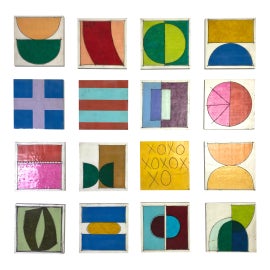
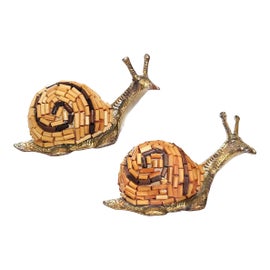
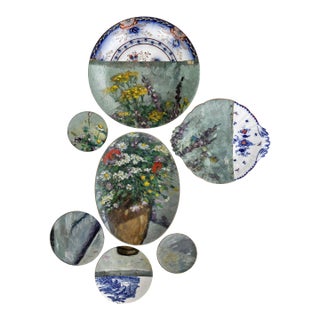
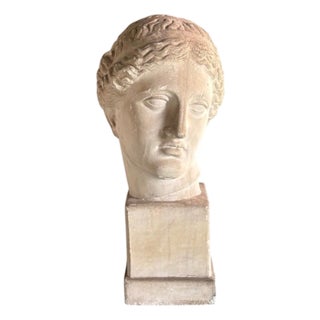
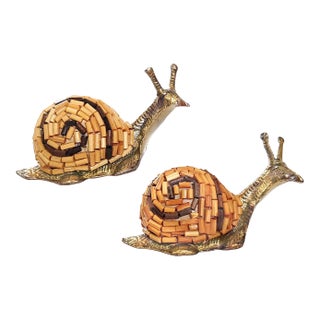
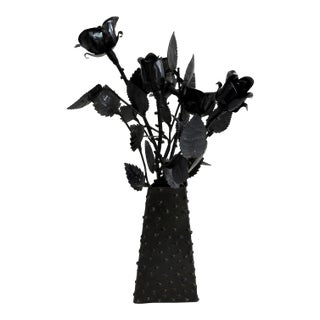
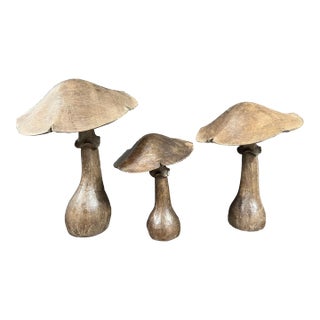
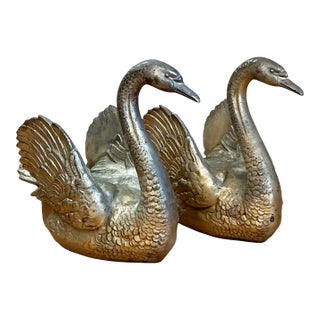
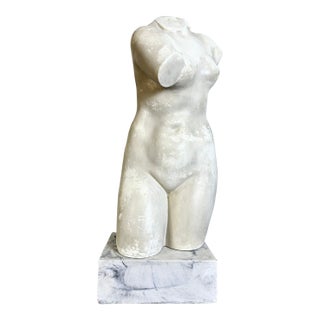
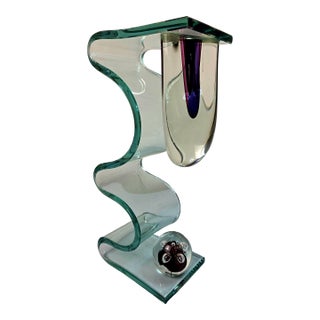
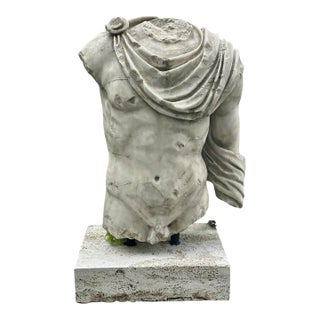
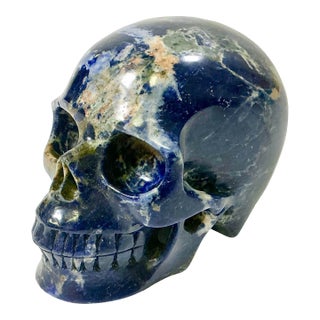
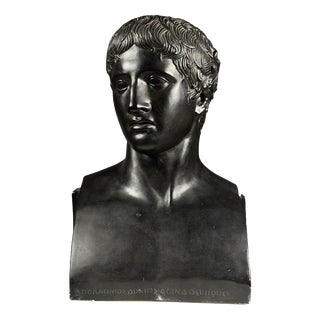
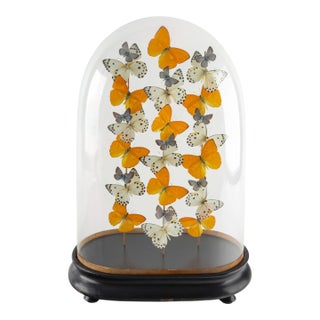
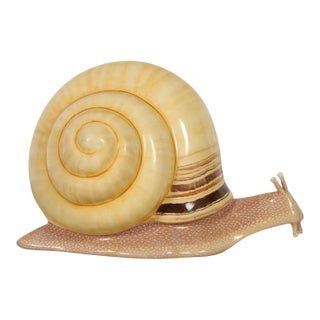
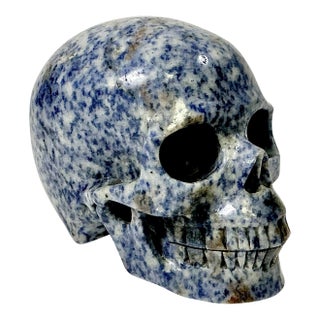

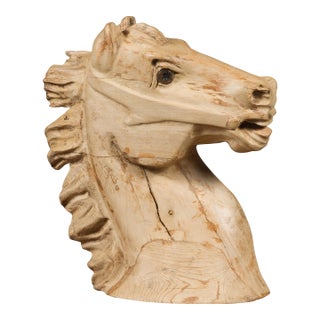
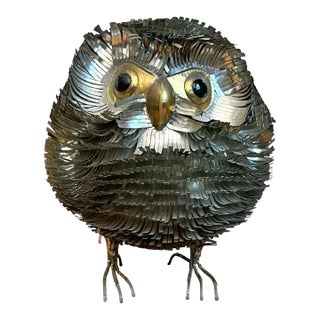
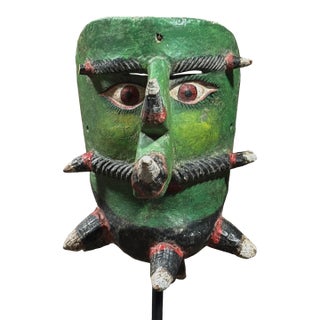


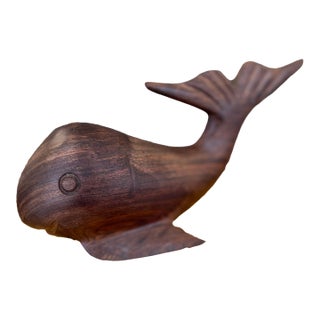
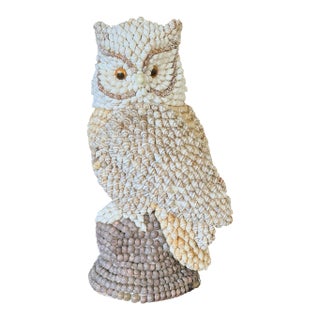
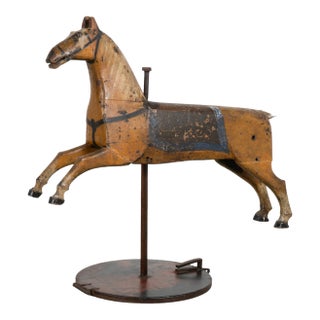
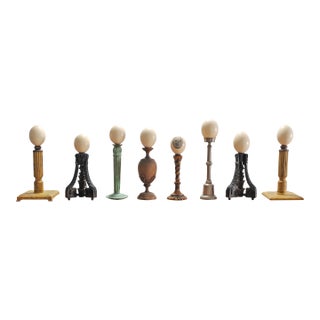
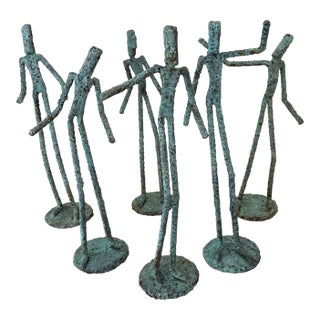
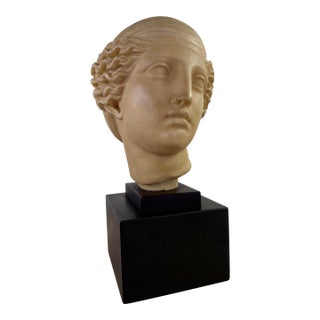

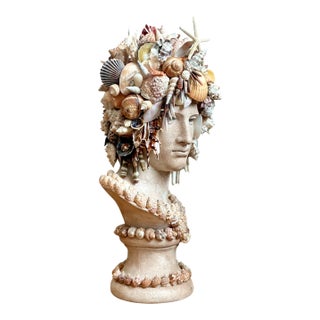


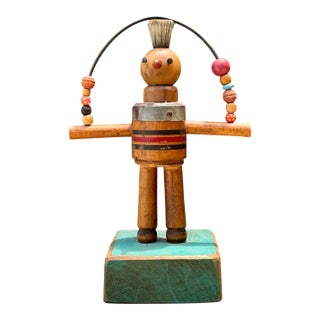
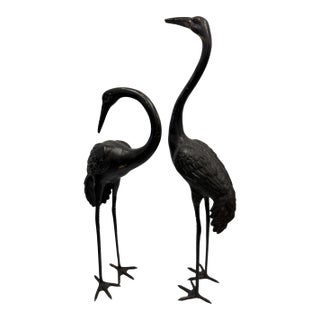
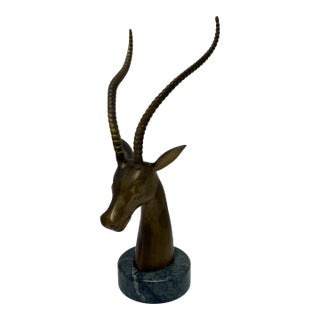
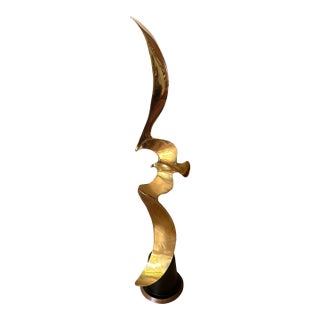
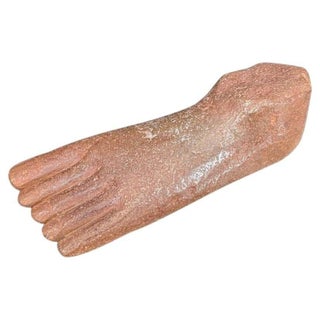
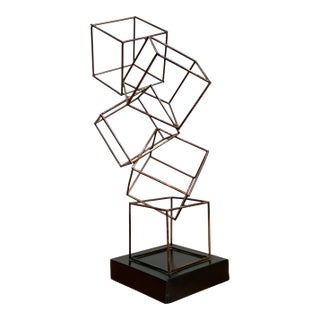
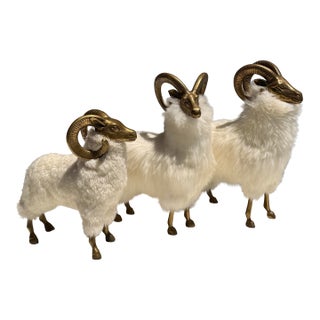
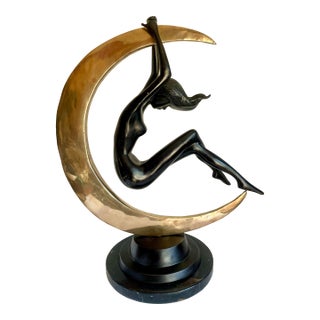
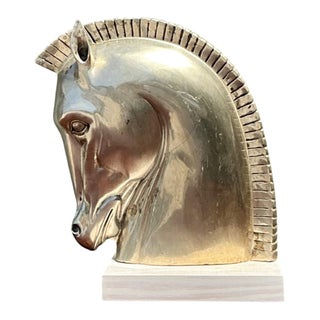

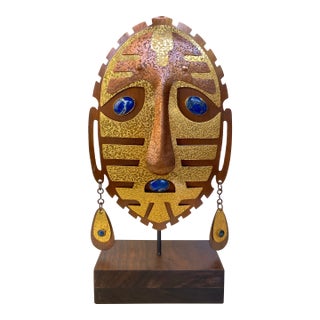
There’s nothing like a stunning piece of sculpture to bring a room to life. If you’re on the hunt for vintage sculptures for sale, be sure to check out our collection here at Chairish. From plaster busts to verdigris bronze garden statues to wicker animals, our selection of art sculptures for sale is a delightfully mixed bag, making it easy to find the perfect piece for your project—whatever that may be! Explore Pop Art sculptures in the style of greats like Andy Warhol, as well as Memphis style sculpture and captivating Post-Modern sculptures. Discover Brutalist sculptures by contemporary makers like James Bearden, as well as legends like Curtis Jere that are perfect for adding an unexpected element to Mid-Century Modern or eclectic interiors. Within our collection of sculptures for sale, you’ll also find covetable designer items like Lalanne sheep sculptures, Abercombie & Fitch leather animal sculptures and Mario Lopez Torres wicker animal sculptures. For classicists, we carry a wide array of sculptures in the style of greats like Rodin, Brâncusi, Calder and more.
Shop a Ready-to-Ship Assortment of Vintage Sculpture for Sale
Choosing art is such a personal endeavor, so why shouldn’t your shopping experience be too? At Chairish, we make it easy to find the perfect piece of sculpture with our wide array of custom filters. Use filters to quickly narrow down our sculptures for sale. Apply art-specific filters to view specialty items like abstract expressionist sculptures, folk art sculptures, or Post Modern sculptures. You can also use style filters like Art Deco and Mid-Century Modern to locate sculptures that will complement interiors in those particular styles. As a bonus, when you shop our selection of art sculptures for sale, you won’t have to worry about sorting through any less-than-artful sculptures. Every one of our art pieces has been hand-vetted by our in-house team of style experts. Talk about sculptural integrity!
Related Collections
- Fernando Botero Sculpture
- Louis XIV Sculpture
- Bentwood Sculpture
- Worlds Away Sculpture
- Angela Chrusciaki Blehm Sculpture
- Barovier and Toso Sculpture
- Gold-Plate Sculpture
- Recycled/Repurposed Sculpture
- Antique Iron Finish Sculpture
- Photography Sculpture
- Lime Sculpture
- Maison Jansen Sculpture
- Georgian Sculpture
- Far Pavilions Sculpture
- Constantin Brancusi Sculpture
- Bakelite Sculpture
- Witco Sculpture
- Albert Ernest Carrier-Belleuse Sculpture
- Austin Productions Sculpture
- Mid-Century Modern Sculpture
- Alabaster Sculpture
- Brutalist Sculpture
- Nude Sculptures
- Copper Sculpture
- Folk Art Sculpture