

Details
Description
While living in Tokyo, Japan due to corporate transfers between 1975-1978 and, again,1985-1988 I collected detailed hand-painted antique Japanese porcelains …
Read more
While living in Tokyo, Japan due to corporate transfers between 1975-1978 and, again,1985-1988 I collected detailed hand-painted antique Japanese porcelains from various antique stores in Japan.
. At this time, I am beginning to list my collection of blue and white antique Imari, some colored Japanese antique Imari rice/soup bowls with lids and some Chinese antique porcelains.
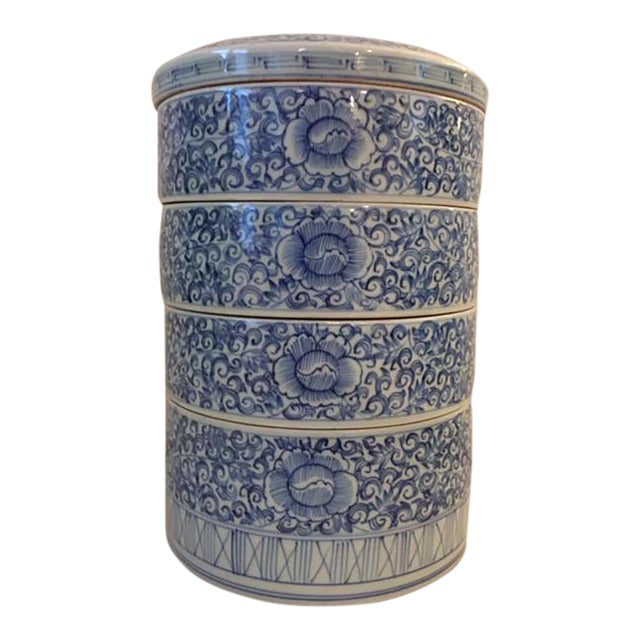
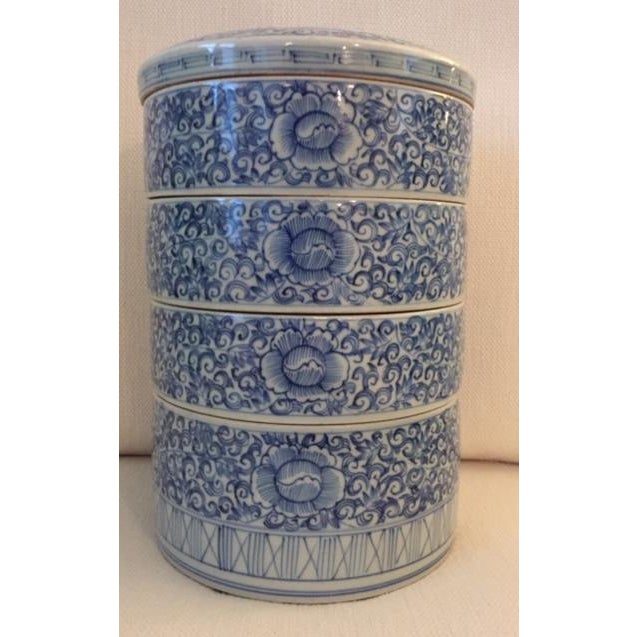
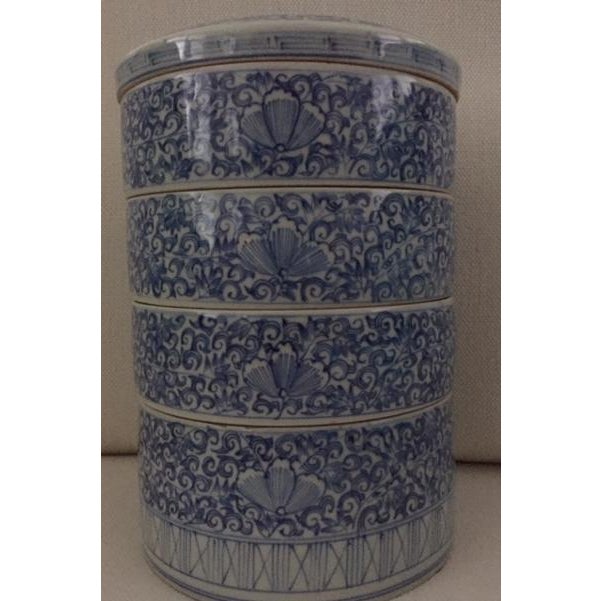
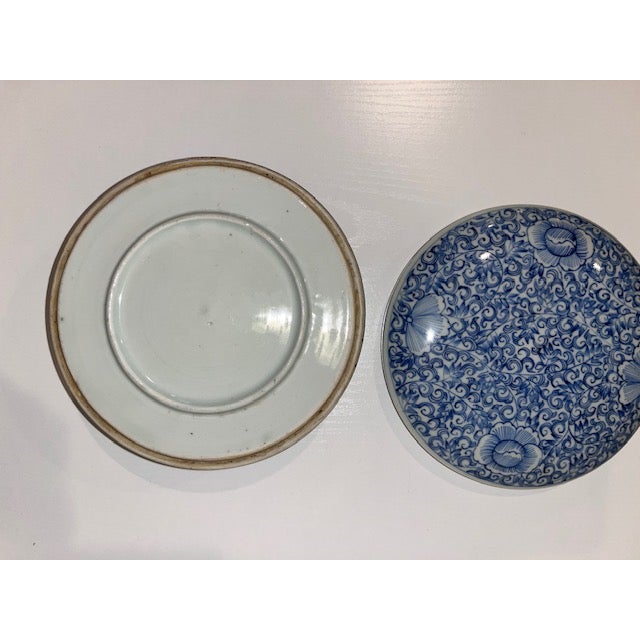
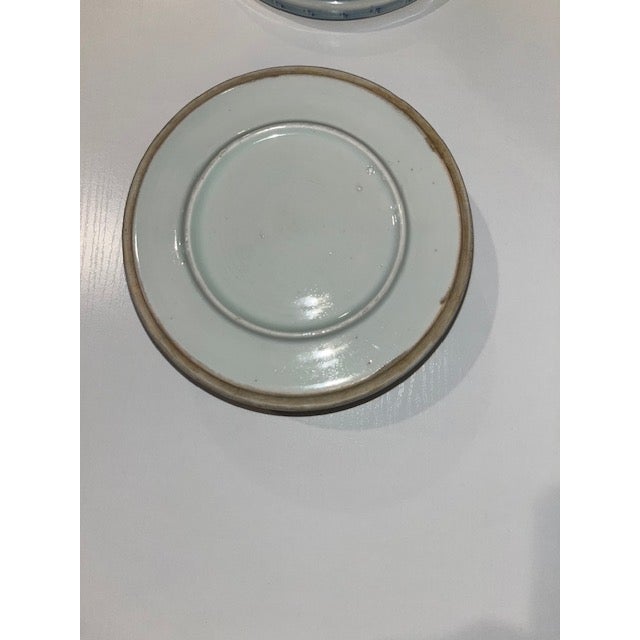
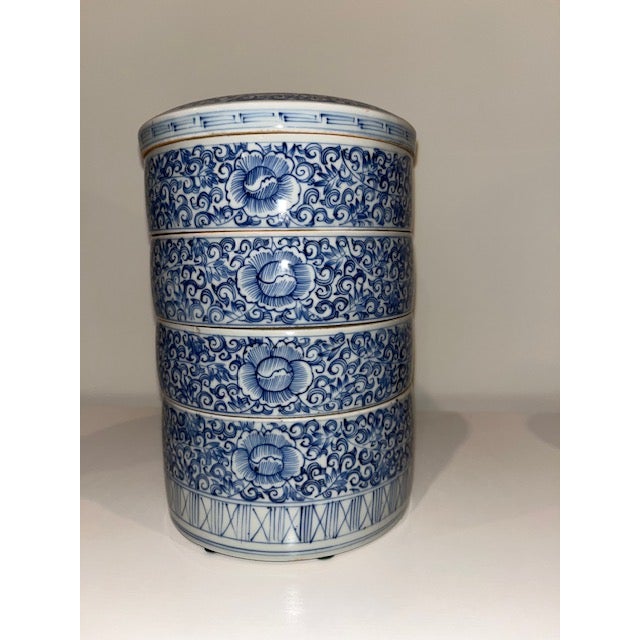
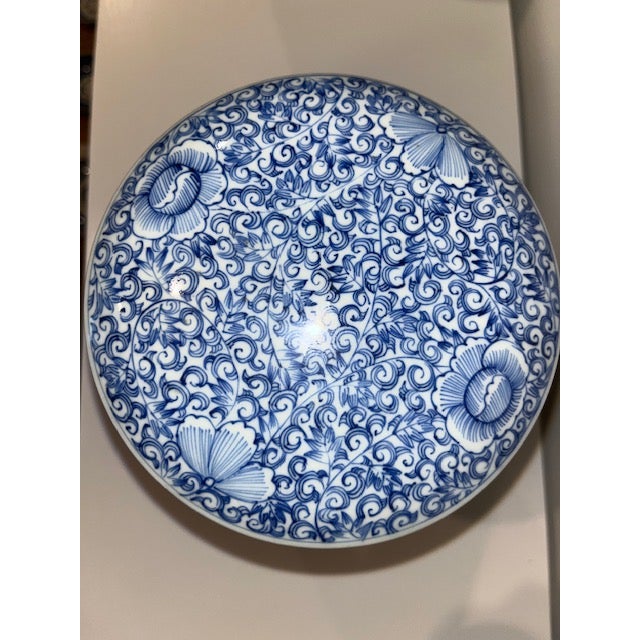
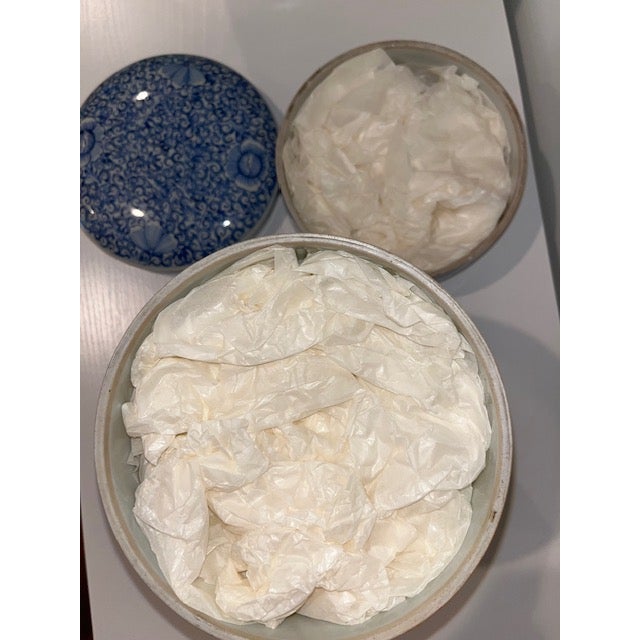
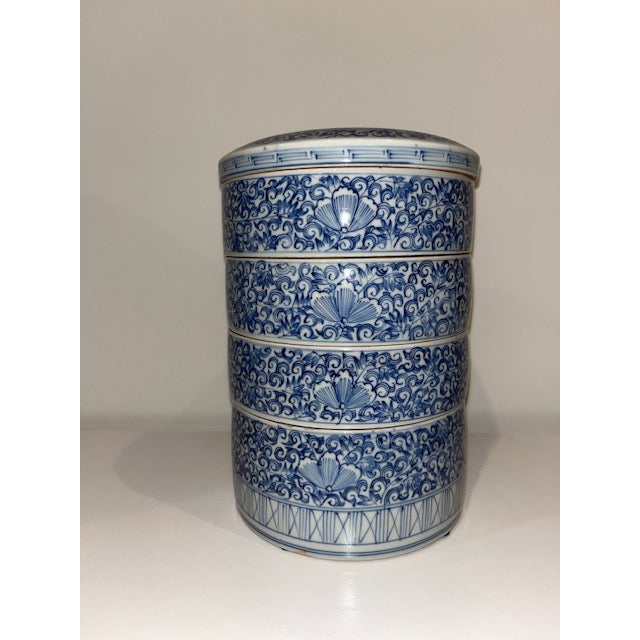
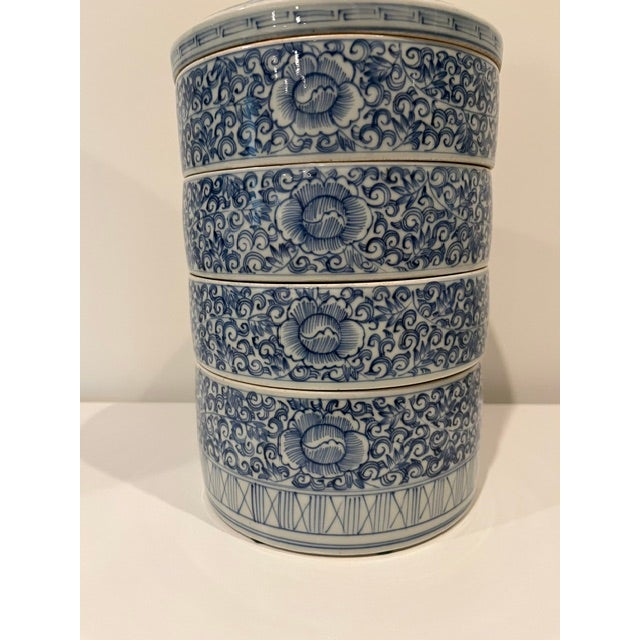
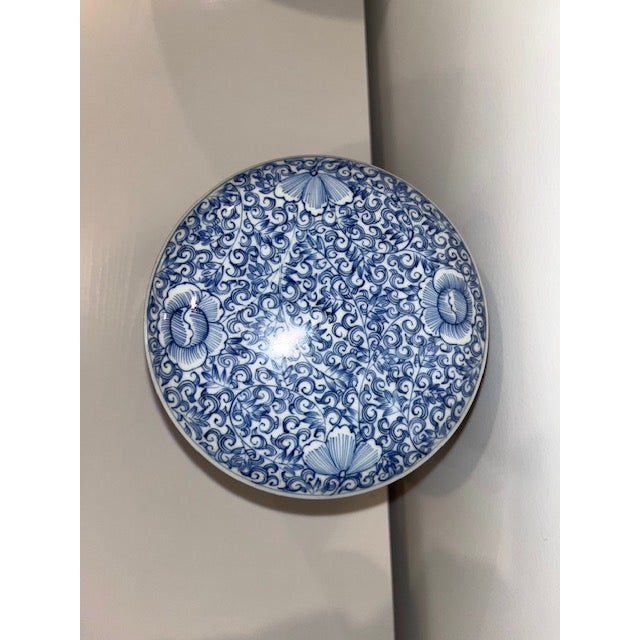
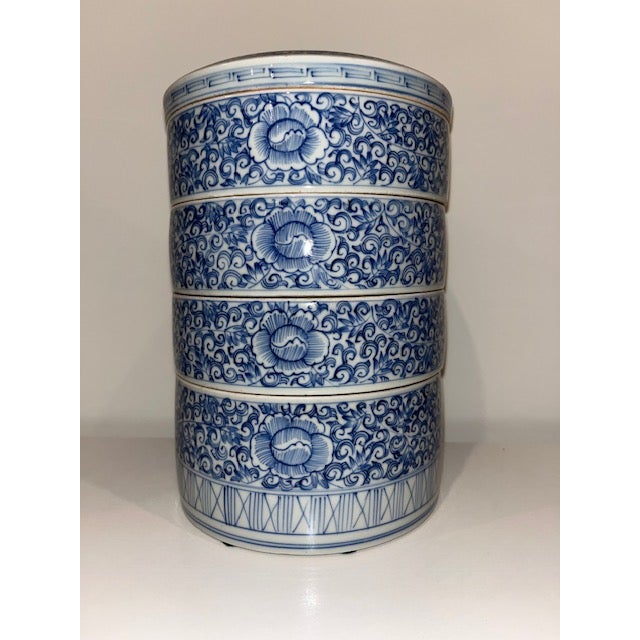
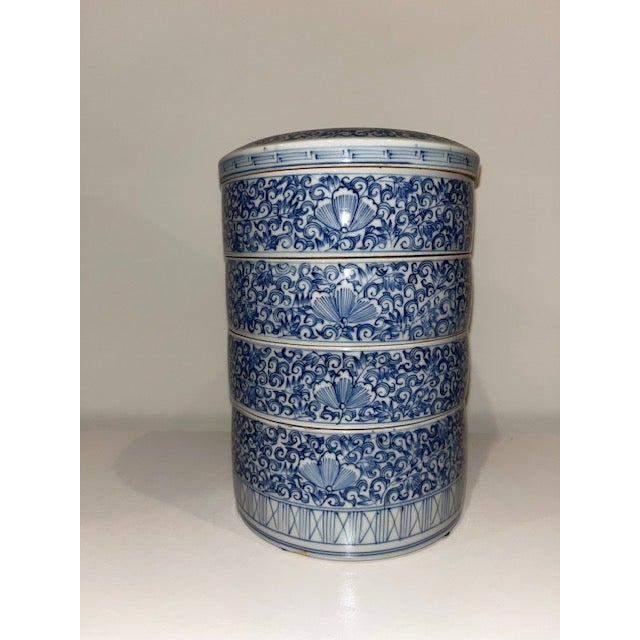
. This special heavily detailed hand-painted obento, stacking dish, was used over 200 years ago by a wealthy family.
. This obento originates from Japan, possibly Arita or Imari ware, known for its distinct blue and white porcelains.
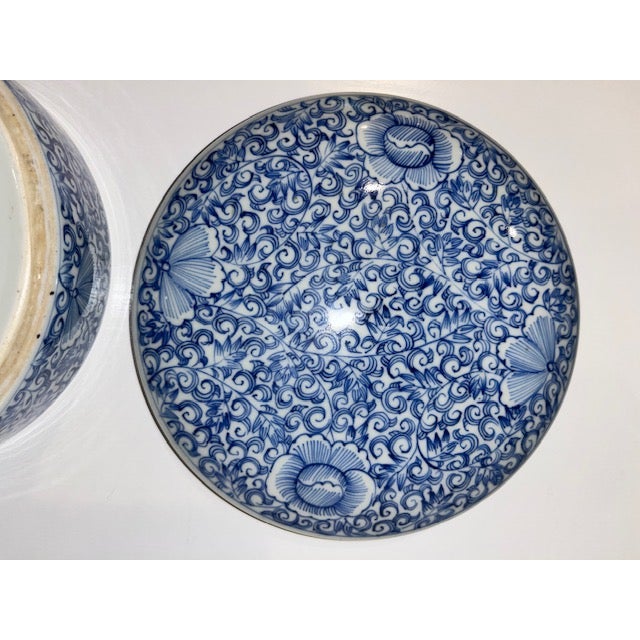
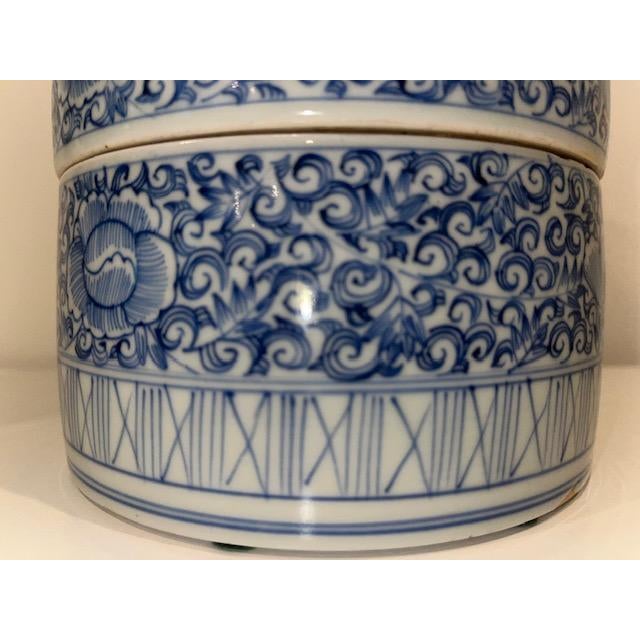
. The design features very-detail oriented hand-painted by a very skilled artist.
. The intricate patterns showcase the skilled craftsmanship.
. Collectors have been drawn to the historic significance, the artistry of the detailed hand-painted design and its decorative appeal.
. I have priced this very rare and special antique blue and white obento for its age, condition, quality of artistic execution and rare availability today.
. Over two hundred years ago, wealthy Japanese individuals utilized hand-painted stacking dishes, known as obentos, primarily for serving elaborate meals during special occasions and gatherings. These dishes were not only functional but also served as a display of artistry and status, reflecting the cultural significance of food presentation in Japanese society.
. Hand-painted stacking dishes played a significant role in the dining customs of wealthy Japanese families.
Cultural Significance — Obentos were integral to Japanese dining, especially during festivals and celebrations, showcasing the importance of food presentation.
Artistic Expression — The dishes featured intricate designs and craftsmanship, often reflecting seasonal themes or family crests, emphasizing the artistry involved in their creation.
Social Status — Wealthy families used these dishes to demonstrate their affluence and taste, as the quality and design of the obentos were indicators of social standing.
Functional Design — The stacking nature of these dishes allowed for efficient serving and storage, making them practical for elaborate meals.
. This RARE obento with its detailed blue and white hand-painting is priced due to the very detailed painting and rarity.
See less
- Dimensions
- 6.5ʺW × 6.5ʺD × 9ʺH
- Styles
- Asian Antique
- Japanese
- Period
- Mid 18th Century
- Country of Origin
- Japan
- Item Type
- Vintage, Antique or Pre-owned
- Materials
- Porcelain
- Condition
- Good Condition, Original Condition Unaltered, Some Imperfections
- Color
- Blue
- Condition Notes
- Excellent antique condition. Rare find. Excellent antique condition. Rare find. less
Questions about the item?
Returns & Cancellations
Return Policy - All sales are final 48 hours after delivery, unless otherwise specified in the description of the product.
Cancellation Policy - Prior to shipping or local pickup, buyers may cancel an order for up to 48 hours, unless otherwise specified.
Related Collections
- Port 68 Decorative Bowls
- Gucci Decorative Bowls
- Sèvres Porcelain Decorative Bowls
- Furstenberg Porcelain Decorative Bowls
- Arzbeg Porcelain Decorative Bowls
- Derby Porcelain Decorative Bowls
- Hermès Decorative Bowls
- Feather Decorative Bowls
- Classical Greek Decorative Bowls
- Nymphenburg Porcelain Decorative Bowls
- Tiffany and Co. Decorative Bowls
- Brass Chinese Decorative Bowls
- Lalique Decorative Bowls
- Fenton Art Glass Company Decorative Bowls
- Chinoiserie Decorative Bowls
- Brass Decorative Bowls
- Maitland - Smith Decorative Bowls
- Chinese Decorative Bowls
- Japanese Decorative Bowls
- Murano Glass Decorative Bowls
- Dough Bowls
- Mixing Bowls
- Crystal Mikasa Decorative Bowls
- Blown Glass Decorative Bowls
- Copper Decorative Bowls