


Details
Description
The Dinka people (Dinka: JiÉÌÉÌÅ) are a Nilotic ethnic group indigenous to South Sudan. They primarily inhabit the Nile River …
Read more
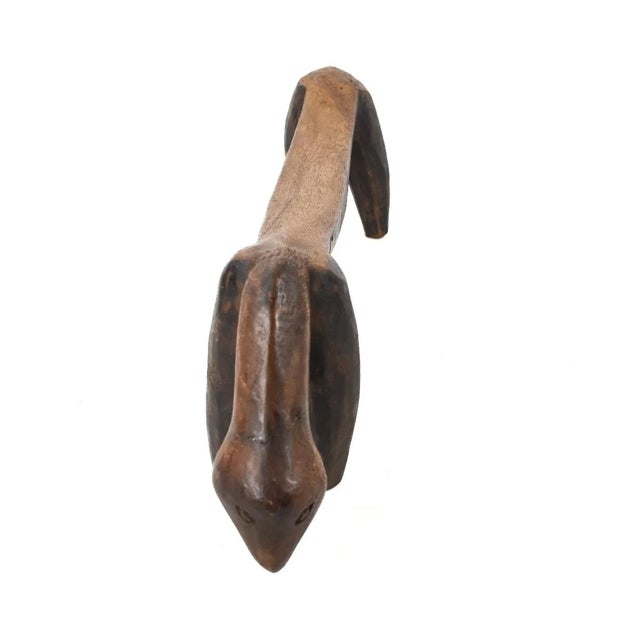
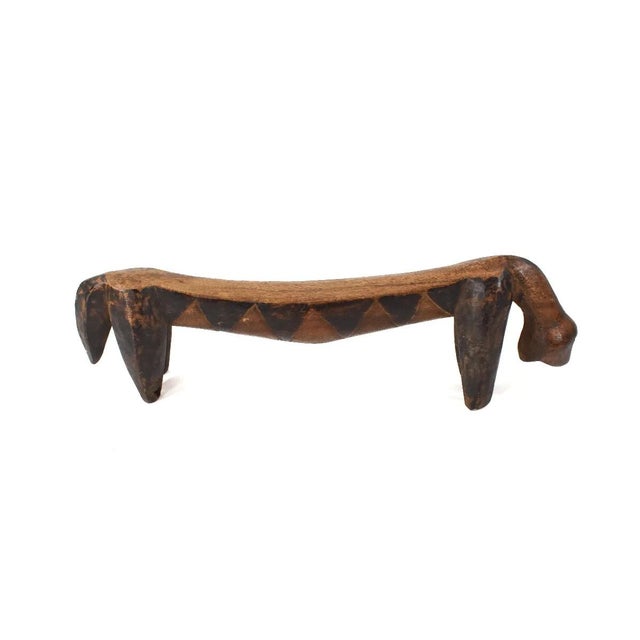
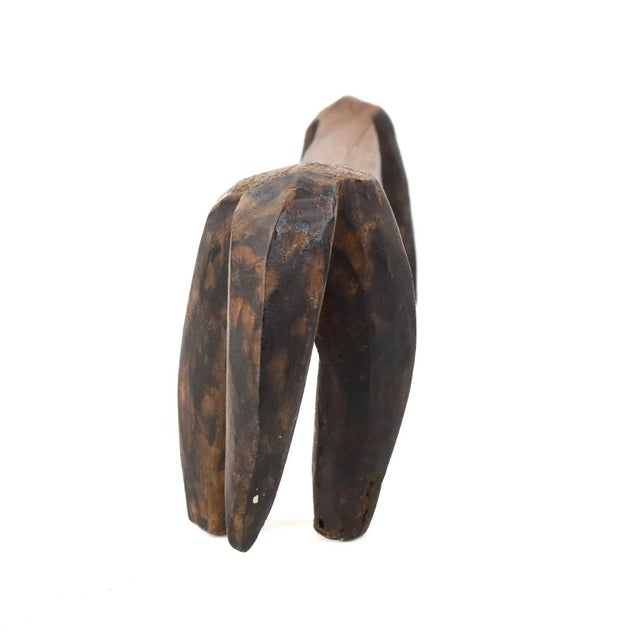
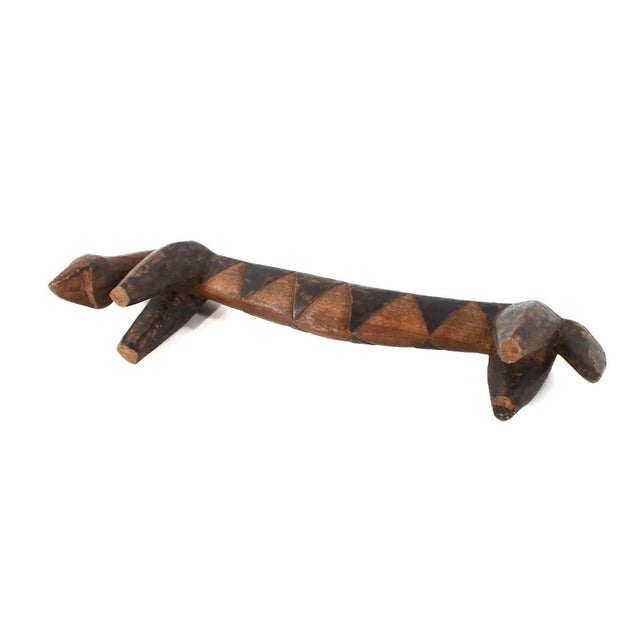
The Dinka people (Dinka: JiÉÌÉÌÅ) are a Nilotic ethnic group indigenous to South Sudan. They primarily inhabit the Nile River basin, stretching from Mangalla through Bor to Renk, as well as the regions of Bahr el Ghazal and Upper Nile, and the Abyei area traditionally associated with the Ngok Dinka.As far as we know, the Dinka settled in the area around 1800 and often have been in conflict with their neighboring peoples, such as the Atuot. Their reputation as redoubtable warriors comes from their successful defense against the Ottoman centuries ago. Being a Valiant warrior is an important value the Dinka transmits to the youth. This value is taught through the initiation of young boys. At the end of the initiation, the boys are presented with a spear, a club and a shield, the equipment of a warrior. The lifestyle of the Dinka is that of the nomad and herders. Today Dinka people raise cattle and practice agriculture. Little is known about their art. However, Dinka's personal and body adornments are among the most astonishing on the continent. The Dinka nomadic lifestyle is reflected in their art. In fact, the Dinka have excelled in the production of small objects, easy to carry. Stools and headrests are among these precious objects. Dinka headrests or neckrests are carved from a single piece of yellowish-brown wood and consist of three to four-legged stable feet, sometimes carved separately from one another. In most cases like here, the all piece is made from one single piece of wood. The upper-level parts have various forms and are usually narrow curved with rounded corners, slightly concave along its length and convex across its width, with a convex underside. Some have zoomorphic motifs which include birds, antelope, and giraffe.These stools and headrests are known as thoch (stool), and used as a headrest and seat by both old men and women. They are also used to protect elaborate coiffure. In the Dinka society and neighboring peoples, headrests like this are very personal. They are believed to house the soul of the owner. In some sources, similar stools or headrests have been attributed to the Bongo people living in the Dinka and Bari neighborhoods.
Height (In):Â 6.0Width (In):Â 21.0Depth (In):Â 3.5
147826
See less
- Dimensions
- 21ʺW × 3.5ʺD × 6ʺH
- Styles
- African
- Period
- Early 20th Century
- Country of Origin
- Central African Republic
- Item Type
- Vintage, Antique or Pre-owned
- Materials
- Wood
- Condition
- Good Condition, Original Condition Unaltered, Some Imperfections
- Color
- Brown
- Condition Notes
- Good. Most of our pieces have spent decades on at least two continents, and have been treasured by several owners. … moreGood. Most of our pieces have spent decades on at least two continents, and have been treasured by several owners. | Surface scratches. See photos for details less
Questions about the item?
Returns & Cancellations
Return Policy - All sales are final 48 hours after delivery, unless otherwise specified in the description of the product.
Cancellation Policy - Prior to shipping or local pickup, buyers may cancel an order for up to 48 hours, unless otherwise specified.
Related Collections
- Virginia Metalcrafters Home Accents
- Frederick Cooper Home Accents
- Moser Glassworks Home Accents
- Piero Fornasetti Home Accents
- Ruby Home Accents
- Carlo Scarpa Home Accents
- Pearl Home Accents
- Zitan Home Accents
- Line Vautrin Home Accents
- Viking Glass Company Home Accents
- Design Home Accents
- Gracie Home Accents
- Kay Bojesen Home Accents
- Stickley Home Accents
- 9K Gold Home Accents
- Bijan Home Accents
- Dimitri Omersa Home Accents
- Goat skin Home Accents
- Unlacquered Brass Finish Home Accents
- Shagreen Home Accents
- Violet Home Accents
- Vanilla Home Accents
- Medium-Density Fibreboard Home Accents
- Home Accents in Des Moines, IA
- Mission Home Accents