

Details
Description
The piaffe (from the french 'piaffer' = to prance, stamp) is one of the main lessons of the high school, …
Read more
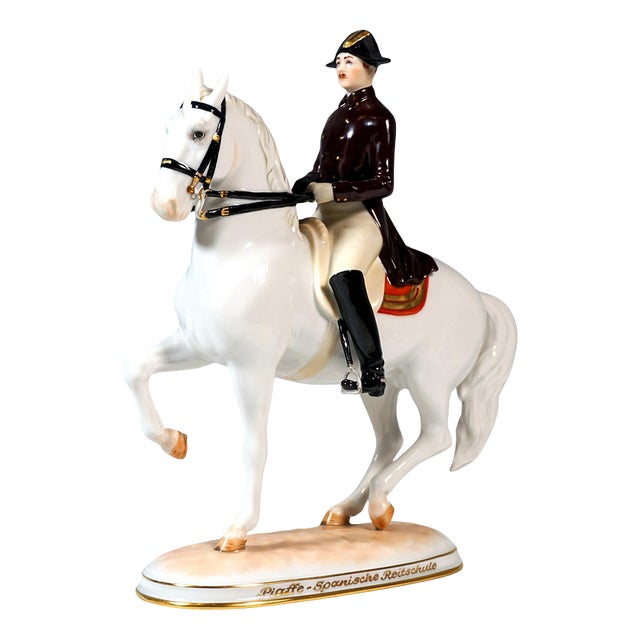
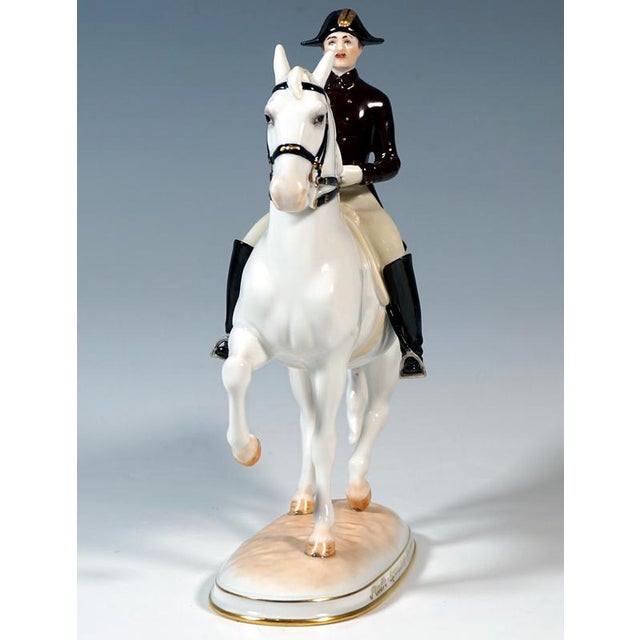
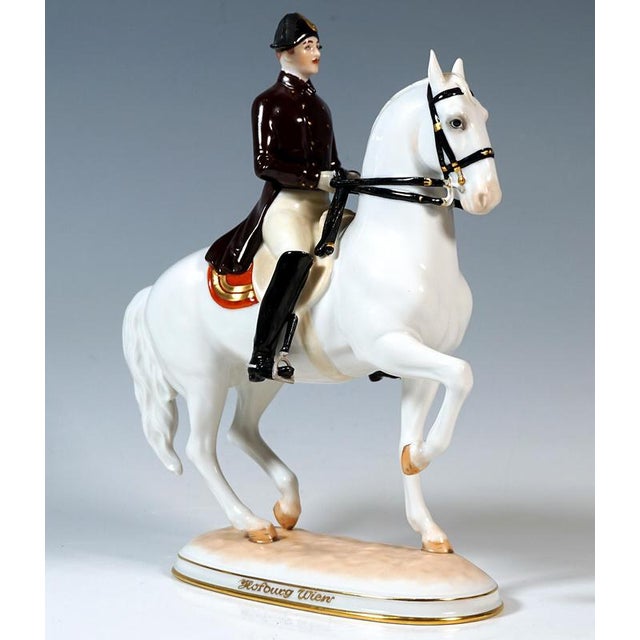
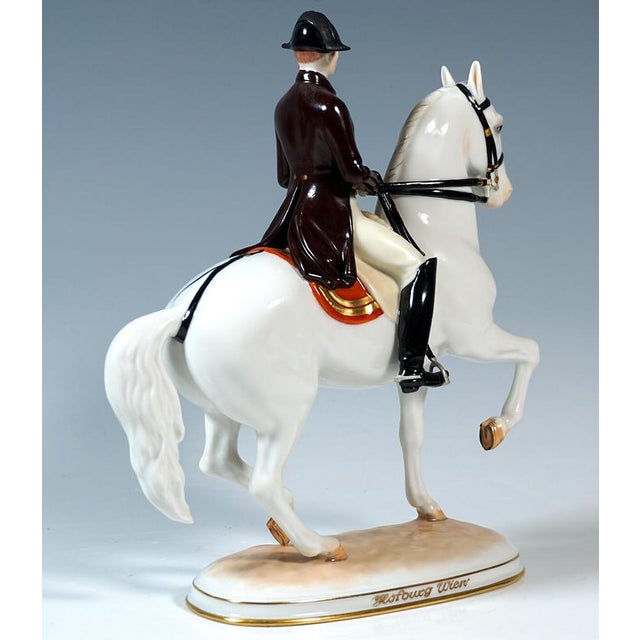
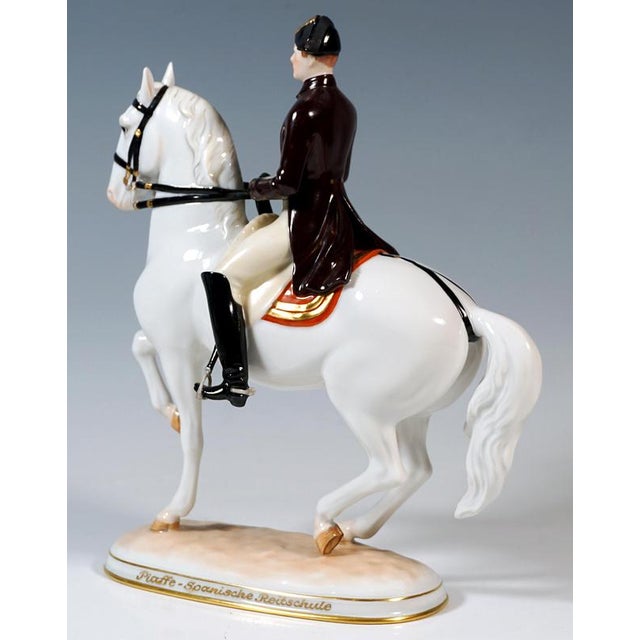
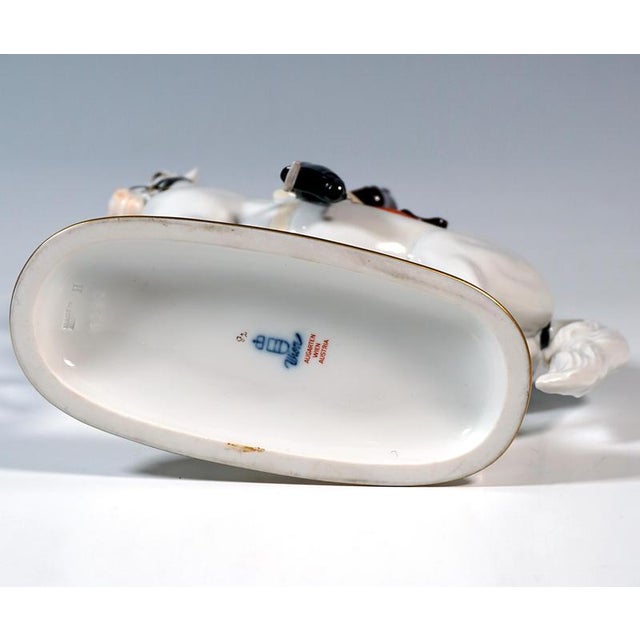
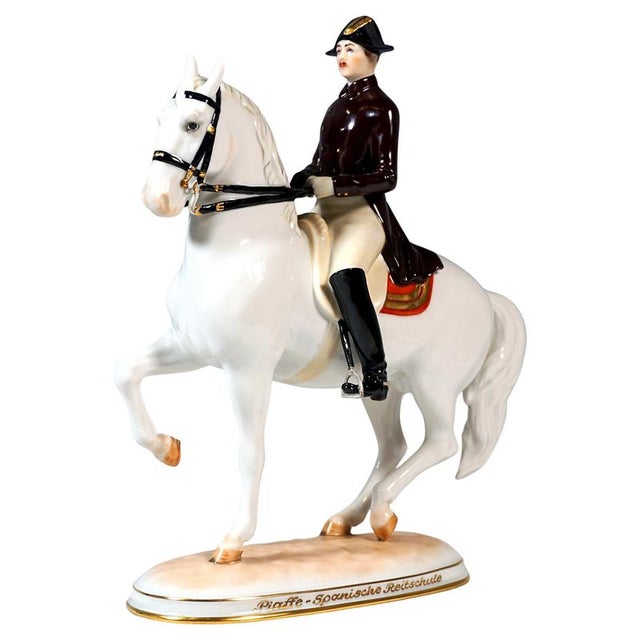
The piaffe (from the french 'piaffer' = to prance, stamp) is one of the main lessons of the high school, which is cultivated by the spanish riding school in vienna. It is a dressage movement in which the horse remains in a highly collected and rhythmic trot, either on or almost on the spot. The horse's centre of gravity should be shifted more to the rear, with the hindquarters slightly lowered and the joints of the hind legs strongly bent. The front part of the horse is very mobile, free and light, with strong flexion in the joints of the front legs. The horse should maintain a clear and even rhythm, show great impulsion and ideally have a moment of suspension between footfalls. The piaffe was originally used in battle to keep the horse focused, warm and moving so that it was ready to charge into battle. Nowadays, the piaffe is mostly taught as an advanced movement in classical dressage and as a grand prix level movement. It is also necessary for developing the levade and, from there, the air leaps. The rider is dressed in the traditional costume of the spanish riding school, consisting of a black two-pointed hat, brown tailcoat with gold buttons, and white buckskin trousers. It is accompanied by black leather gauntlet boots, matching spurs and white suede gloves. On oval, slightly curved earth base, with the inscriptions 'piaffe-spanish riding school' and 'hofburg vienna' on the long sides. The model was created by prof. Albin doebrich circa 1925 made 2nd half of 20th century white porcelain, painted, glossy finish, gilding measures: height: 24,0 cm / 9.44 in width: 22,0 cm / 8.66 in depth: 9,0 cm / 3.54 in marks: underglaze blue shield mark with crown and 'wien' press marks 'made in austria' + 'h' decoration mark in red 'augarten wien austria', used from 1945 (after wwii) model number 1590 painter's number 82 condition: very good this piece has an attribution mark,
i am sure that it is completely authentic and take full responsibility for any authenticity
issues arising from misattribution
See less
- Dimensions
- 8.66ʺW × 3.54ʺD × 9.45ʺH
- Styles
- Baroque
- Period
- 1960s
- Country of Origin
- Austria
- Item Type
- Vintage, Antique or Pre-owned
- Materials
- Porcelain
- Condition
- Good Condition, Unknown, Some Imperfections
- Color
- Black
- Condition Notes
- Very Good — This vintage item has no defects, but it may show slight traces of use. Very Good — This vintage item has no defects, but it may show slight traces of use. less
Returns & Cancellations
Return Policy - All sales are final 48 hours after delivery, unless otherwise specified in the description of the product.
Cancellation Policy - Prior to shipping or local pickup, buyers may cancel an order for up to 48 hours, unless otherwise specified.
Related Collections
- Wildwood Models and Figurines
- Rose Quartz Models and Figurines
- Villeroy and Boch Models and Figurines
- Models and Figurines in Lexington, KY
- Ardalt Models and Figurines
- Bennington Potters Models and Figurines
- Bright Pink Models and Figurines
- Political and Patriotic Models and Figurines
- Acrylic Paint Models and Figurines
- Vinyl Models and Figurines
- Unlacquered Brass Finish Models and Figurines
- Sèvres Porcelain Models and Figurines
- William Kent Models and Figurines
- Maison Jansen Models and Figurines
- Jasper Models and Figurines
- Brass Models and Figurines
- Staffordshire Dog Figurines
- Italian Models and Figurines
- Elephant Figurines
- Cat Figurines
- Antique Model Ships
- Ceramic Cats
- Bird Figurines
- Dog Figurines
- Jade Models and Figurines