

Details
Description
Item description:
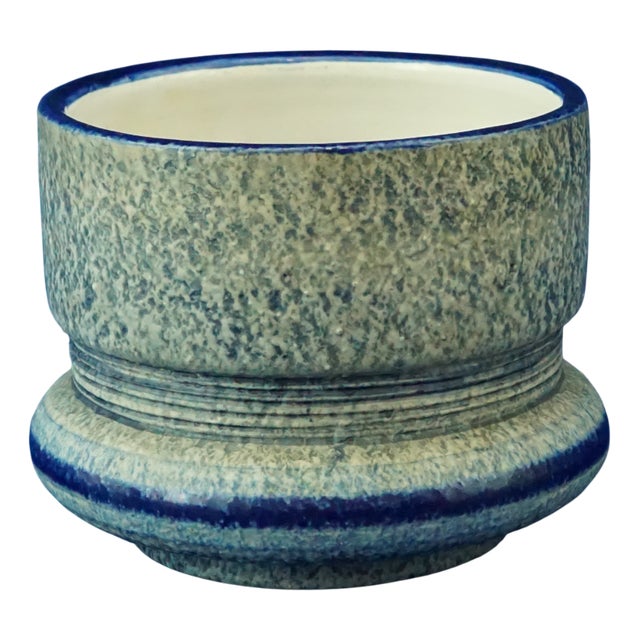
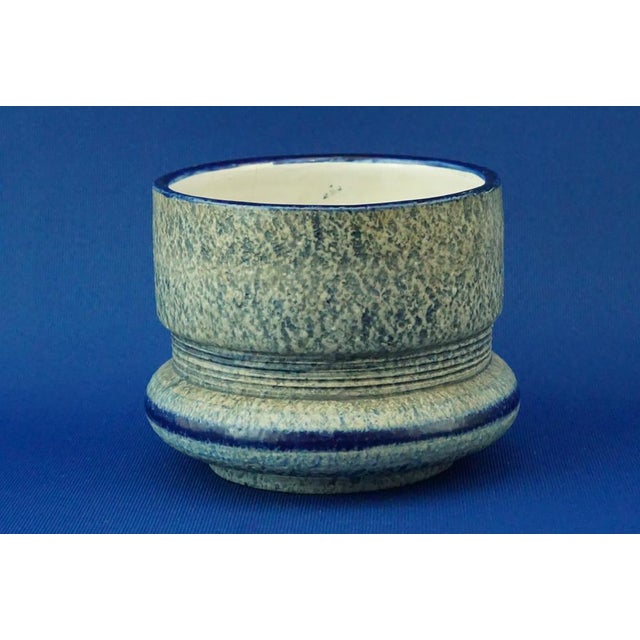
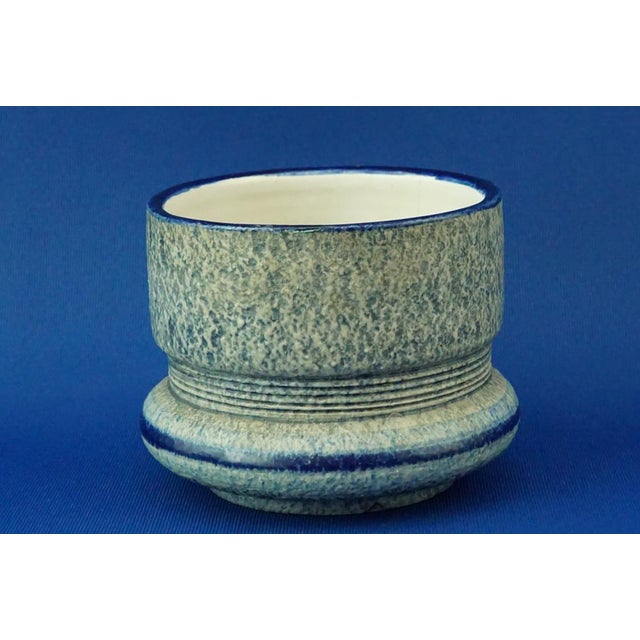
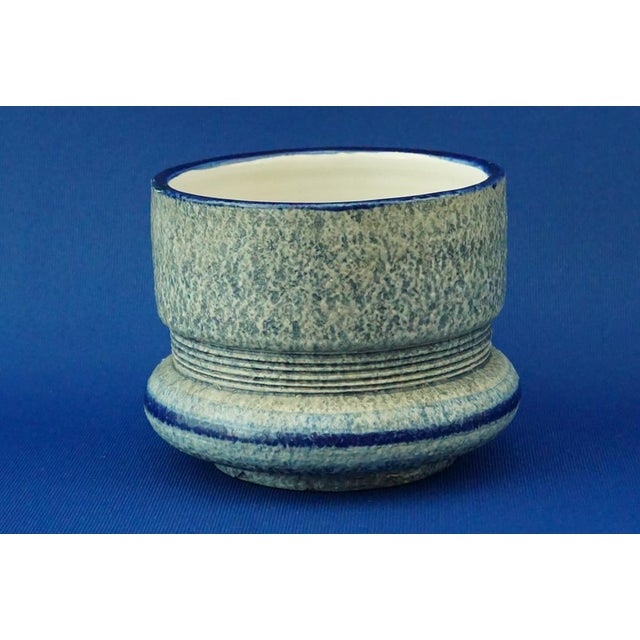
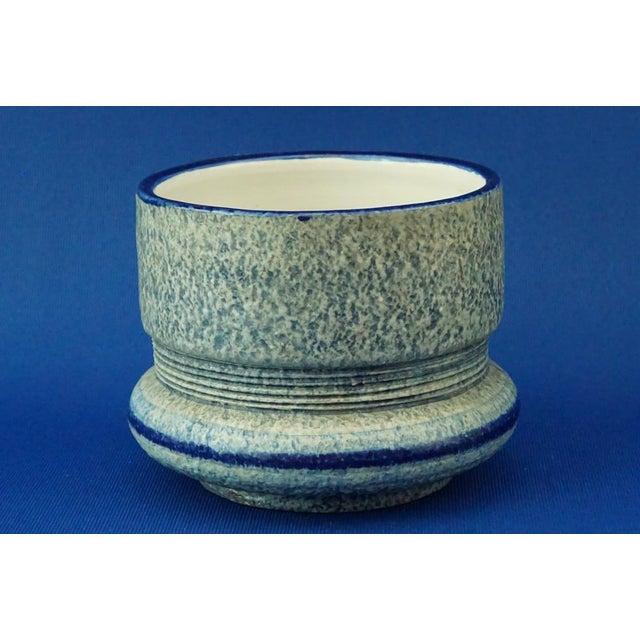
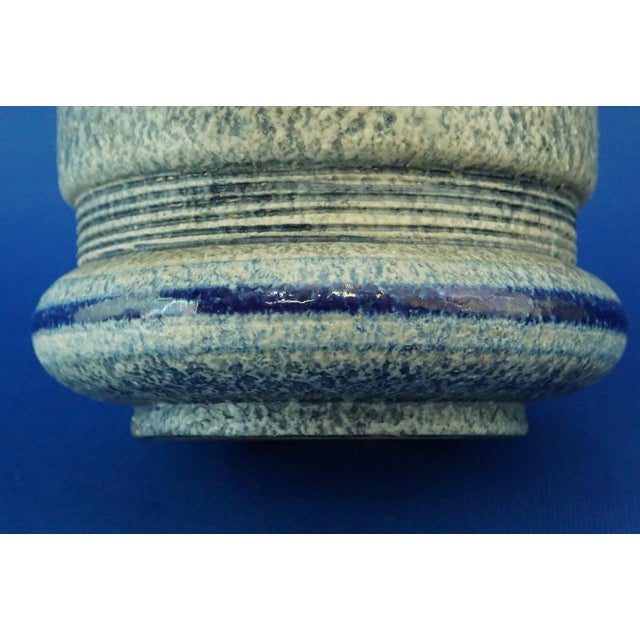
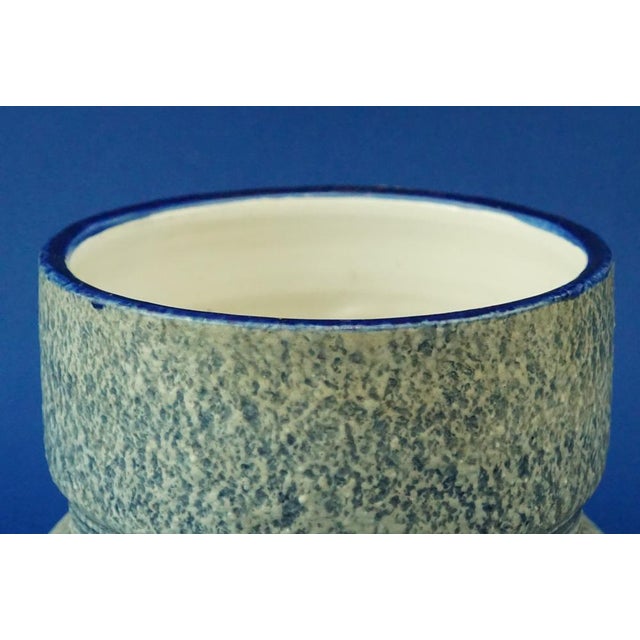
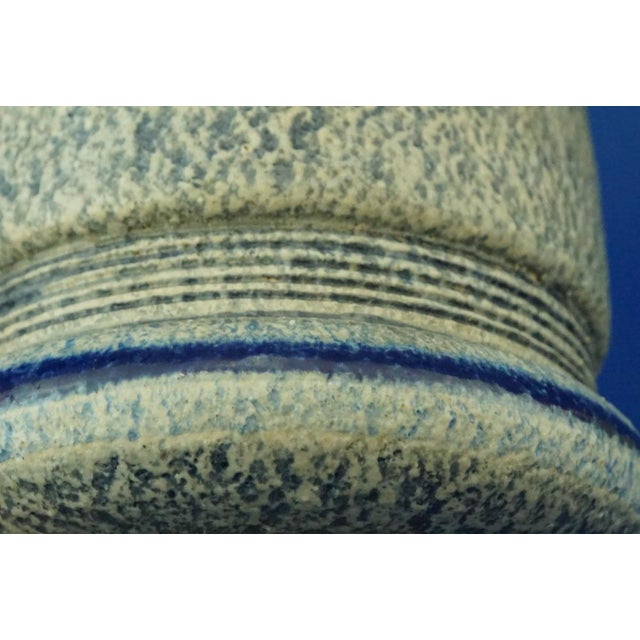
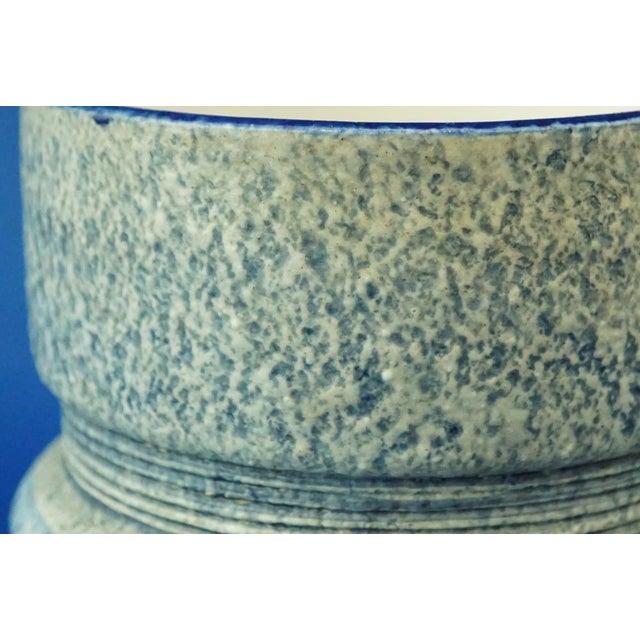
ceramic vase, clay worked on a potter's wheel, futurist style, completely finished and decorated by hand, glazed with …
Read more
Item description:
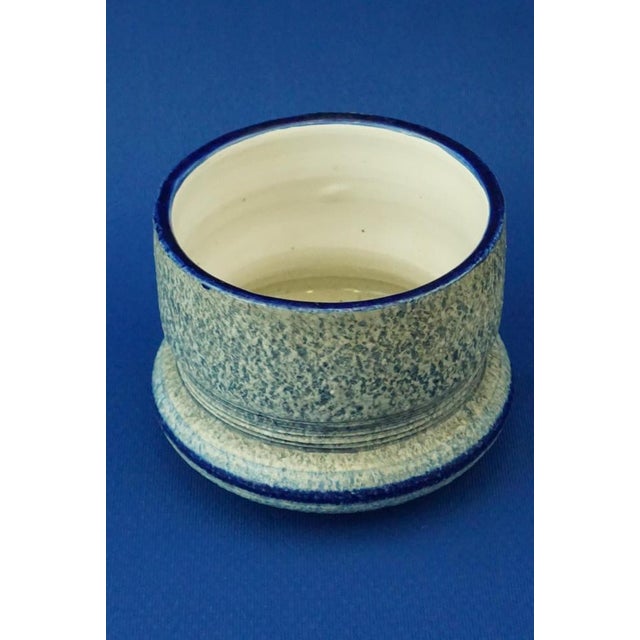
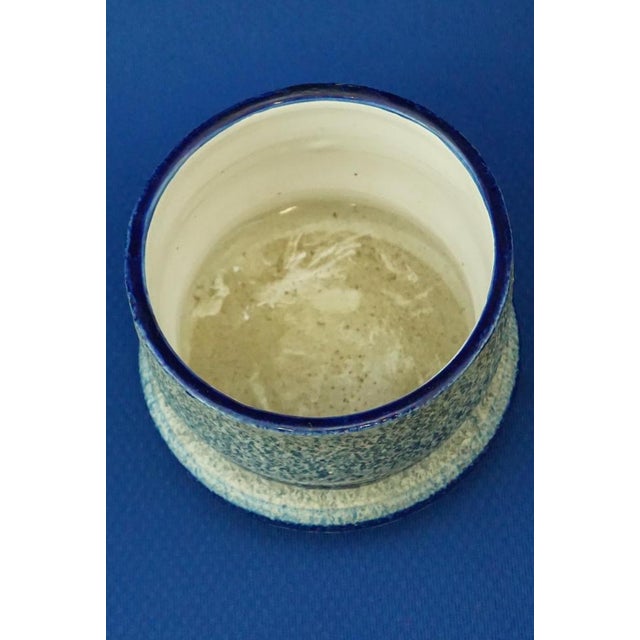
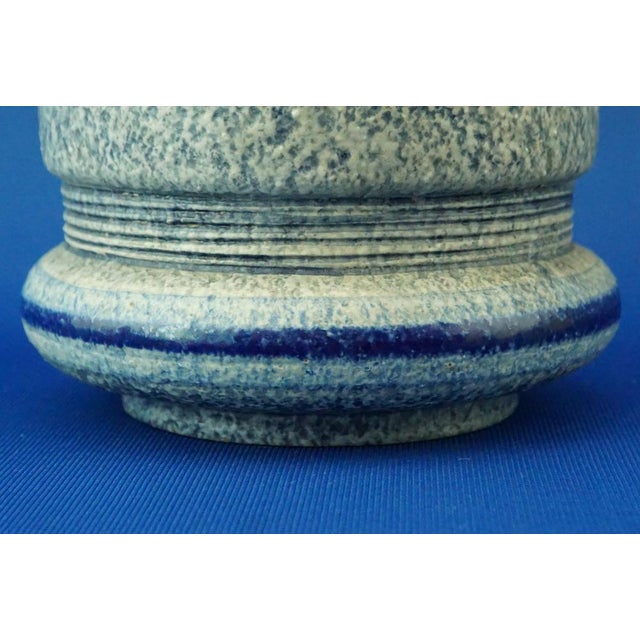
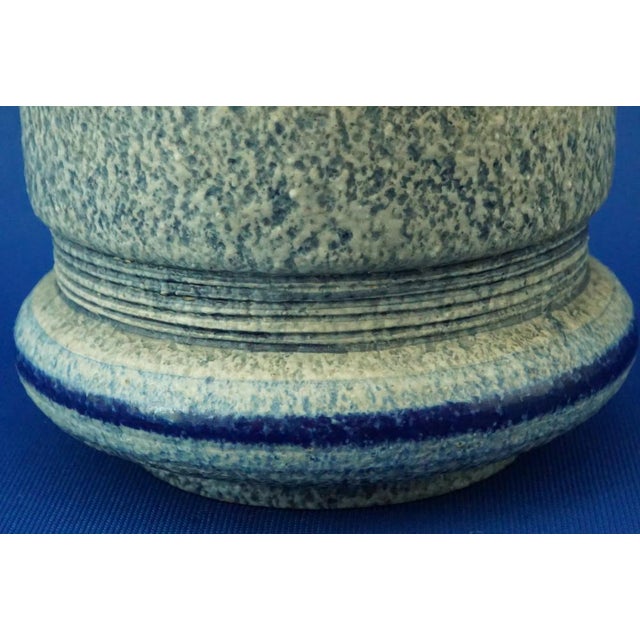
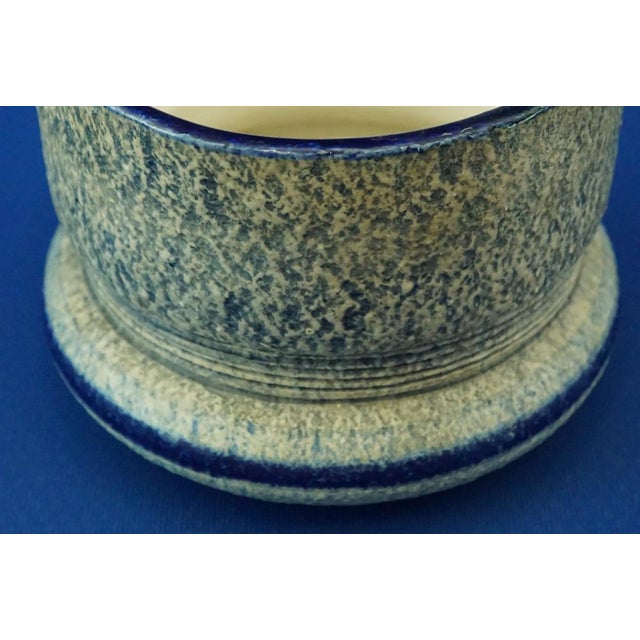
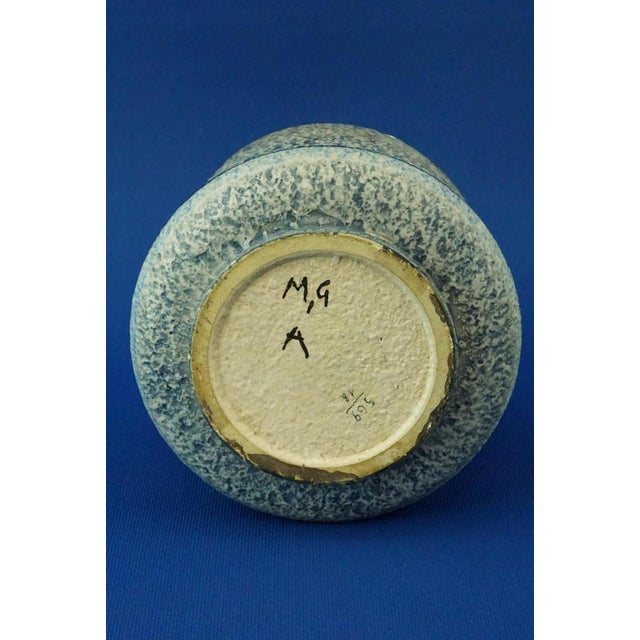
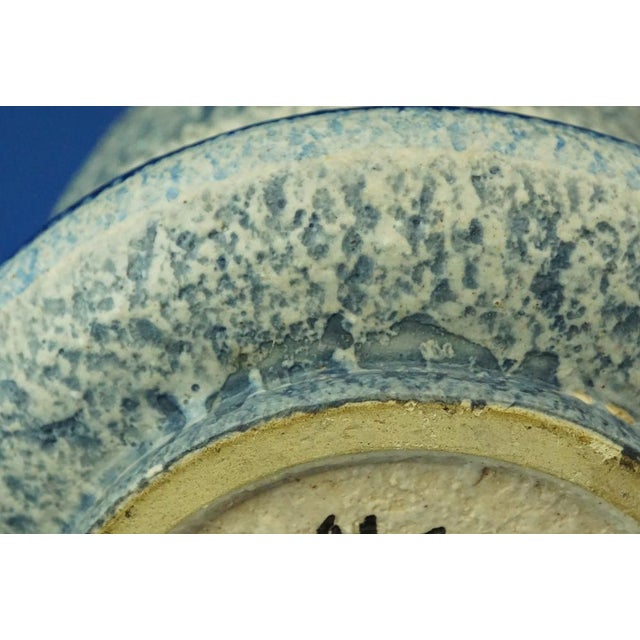
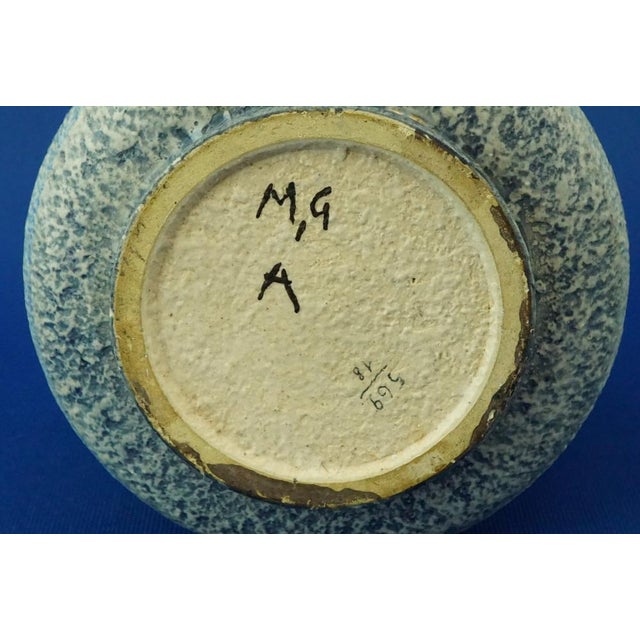
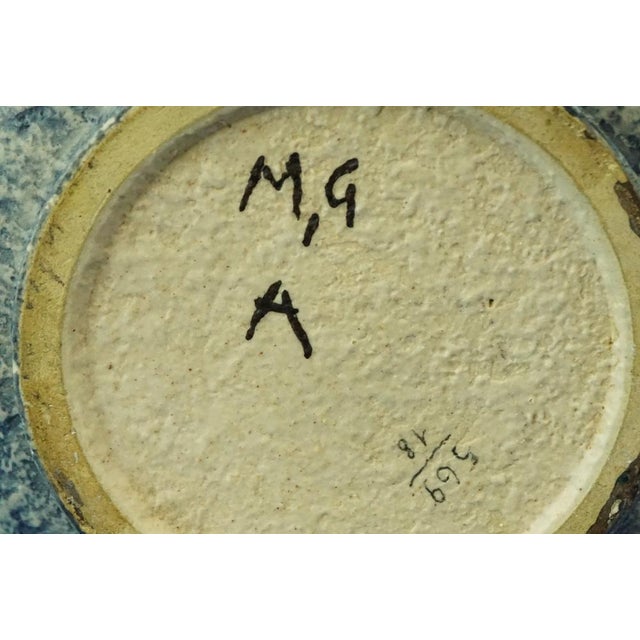
ceramic vase, clay worked on a potter's wheel, futurist style, completely finished and decorated by hand, glazed with thick, compact, very porous glazes with a matte finish, made using a very special technique that makes the surface of the vase matte and similar to orange peel. I believe they have definitely been treated with acids in some way. Made by nicolaj diulegheroff for the giuseppe mazzotti factory, albisola, signed "mga" under the base and with a catalog number. Datable to the early decades of the 1900s.
useful information for evaluating the object:
from internet research, we find that mga's futurist ceramics are offered at a minimum of €200-300 up to several thousand euros depending on the size and complexity of the workmanship and beauty of the decoration, and also depending on the artist who created them. They are all ceramics, however, of great value and highly sought after by collectors. Diulgheroff's ceramics are among the most sought-after and highest-priced, along with those by manlio trucco, tullio d'albisola, and romeo bevilacqua.
information about the artist and/or manufacturer:
"mga"
an apprentice ceramist from the age of twelve at the "fornari" kiln in albisola, after various experiences as a potter's wheel operator in livorno, at the "bonfiglio" factory and in naples at the "picone" factory, giuseppe mazzotti, known as bausin, opened a workshop in 1903 in vicolo del pozzo in albisola, where he made chimney pots for the building industry. The kiln soon became the "fabbrica di ceramiche d'arte tradizionali e moderne giuseppe mazzotti" (giuseppe mazzotti traditional and modern art ceramics factory) and he began producing his own artistic ceramics, signing the pieces that came out of his workshop with his initials "m.g.a.". Thanks also to the collaboration of some well-known albisola ceramists such as pietro rabbia and dario ravano, in 1906 he won a gold medal for his work at the savona craft exhibition and, thanks to his success, he decided to open a shop, run by his wife celestina gerbino promis, for direct sales to the public. Starting in the years after the first world war, the young painter giuseppe agnino collaborated with the workshop. From 1922 to 1927, painter and decorator guido cavallero, a retired lieutenant colonel, joined the factory and took the name "premiata fabbrica ceramiche artistiche già mazzotti di cavallero & c." (award-winning artistic ceramics factory formerly mazzotti di cavallero & c.), sometimes signing the products with the words "cavallero & mazzotti." during these years, the factory also collaborated with great external ceramists such as mario gambetta, virio da savona, and paolo rodocanachi. In 1923, a second factory was opened in albisola superiore, under the direction of torido mazzotti, giuseppe's eldest son. In 1925, some ceramics bearing the "m.g.a." mark were presented at the international exhibition of decorative and modern arts in paris, and their success opened up the international market to the factory. In 1928, the factory produced a catalog of its production, presenting over five hundred classic and modern ceramics and its first works in the futurist style. From 1928, torido's brother tullio (known as tullio d'albisola) began to gather an ever-growing group of futurist artists around the factory, who designed and produced the ceramics that made "m.g.a." famous. In the 1920s, painters antonio vaccari, giovanni gerlo, orlando gambino, and potter lino mordeglia collaborated with the factory, as did alf gaudenzi, fillia, fortunato depero, nino servettaz, and others. In 1930, farfa designed 11 pieces for the factory in collaboration with tullio, which were then produced by giuseppe giacchino and went on to revolutionize the stylistic features of futurist ceramics. In 1932, a new large factory was built on via aurelia, at the mouth of the sansobbia stream, based on a design by bulgarian architect and ceramist nicolaj diulgheroff. The factory was expanded two years later. From 1933 to 1938, he collaborated occasionally with the guglielmo sansoni factory, known as tato, and in the same years with the designer bruno munari. In 1937, m.g.a. Won the grand prix at the world's fair in paris. Among his collaborators during this period were romeo bevilacqua, also famous for his small sculptures depicting dogs, lino berzoini, bartolomeo tortarolo, and nino strada. Other collaborators active in the 1930s included salvatore fancello, agenore fabbri, lucio fontana, and aligi sassu. In 1939, due to sanctions, m.g.a. Lost its international markets and the factory began a slow and inexorable decline that led to its closure. In 1944, giuseppe mazzotti died in san michele di mondovì, while his sons torido and tullio suffered fascist persecution. After the war, his children torido, tullio, and vittoria resumed the business, and in the 1950s, the factory recovered and resumed its collaboration with numerous artists and artisans of the time, including renzo aiolfi, giovanni battista de salvo, giuseppe capogrossi, pina olivero, asger jorn, karel appel, piero manzoni, franco garelli, emilio scanavino, roberto crippa, and many others. Between 1946 and 1951, giacomo manzù created several cherubs and decorations for plates and bottles in the factory's workshops. In the early 1950s, designer cipì ferrari polli collaborated with the company. In 1950, m.g.a. Was asked to represent italian ceramic production at the italian craftsmanship exhibition at the brooklyn museum in new york. In 1959, the three mazzotti brothers decided to divide the family business and torido, helped by his wife rosa bovio and their children bepi and celina, remained the sole owner of the factory, which is still in operation today, naming it "ceramiche e maioliche artistiche giuseppe mazzotti 1903." in the 1960s, anna maria traverso, known as annaviva, wife of the futurist giovanni acquaviva, fired a series of refined ceramics depicting the madonna in the factory's kilns. These were subsequently exhibited in a show organized by tullio d'albisola to celebrate the 150th anniversary of the coronation of the madonna of savona.
nicolaj diulgheroff, a bulgarian painter, designer, and architect, mainly associated with futurism, moved permanently to italy in 1926. During this period, he began his collaboration with mga, for which he produced several small masterpieces. In 1929, he exhibited at the galleria pesaro in milan, the futurist exhibition in mantua, the i sindacale in turin, and the international exhibitions in barcelona and paris. He participated in all the venice biennales from 1930 to 1938. In 1931, he was present at the second exhibition of italian rational architecture in rome, the second futurist exhibition held at the galleria pesaro in milan and the permanente in milan, in 1933 at the fifth triennale in milan and in 1935 at the second quadriennale in rome. In 1932, he graduated in architecture from the accademia albertina and, at the invitation of tullio and torido mazzotti, designed the new "m.g.a" ceramics factory in albisola, which he called a "futurist workshop," completed in 1934. At the end of the 1930s, despite having long been interested in the rationalist outcomes of his art, he created several ceramics in the futurist style for the mazzotti factory. He exhibited again at the first aeropainting exhibition in rome and at the futurist painting and aeropainting exhibition in trieste. After the second world war, his works were included in numerous historical exhibitions dedicated to abstract art and futurism and, from 1972 onwards, he devoted himself mainly to painting.
he died in turin in 1982.
this piece has an attribution mark,
i am sure that it is completely authentic and take full responsibility for any authenticity
issues arising from misattribution
See less
- Dimensions
- 4.33ʺW × 4.33ʺD × 3.54ʺH
- Period
- 1920s
- Country of Origin
- Italy
- Item Type
- Vintage, Antique or Pre-owned
- Materials
- Ceramic
- Condition
- Good Condition, Original Condition Unaltered, Some Imperfections
- Color
Returns & Cancellations
Return Policy - All sales are final 48 hours after delivery, unless otherwise specified in the description of the product.
Related Collections
- Pink Fenton Art Glass Company Vases
- Pottery Barn Vases
- Red Fenton Art Glass Company Vases
- Loetz Vases
- Mazzega Murano Vases
- Gae Aulenti Vases
- Toso Murano Vases
- Lapis Lazuli Vases
- Shannon Crystal Vases
- Ikea Vases
- Licio Zanetti Vases
- Carlsbad Porcelain Vases
- Roycroft Vases
- Westmorland Vases
- Glass Archimede Seguso Vases
- Joseph Holdcroft Vases
- Blue Baccarat Vases
- Purple Fenton Art Glass Company Vases
- Zanotta Vases
- Dada Vases
- Chase Brass and Copper Company Vases
- Dr. Wall Worcester Porcelain Vases
- Diamond Vases
- Gino Vistosi / Murano Vases
- Ridgway Porcelain Vases