

Details
Description
Crafted in Anatolia, this vintage Turkish Oushak kilim showcases the durable natural wool and crisp flat-weave construction of authentic village …
Read more
Crafted in Anatolia, this vintage Turkish Oushak kilim showcases the durable natural wool and crisp flat-weave construction of authentic village artistry. Its timeless geometric design provides a soulful anchor and layering potential for transitional and modern interior spaces.
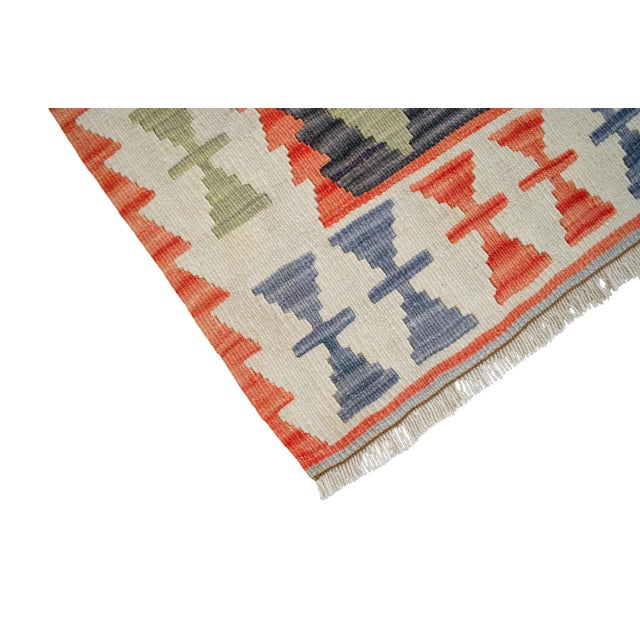
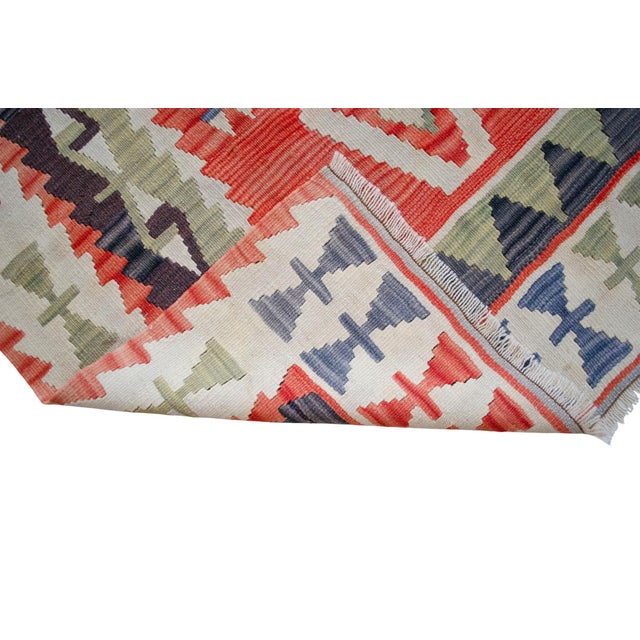
This exceptional vintage Oushak kilim emerges from the Western Anatolian tradition of purposeful village weaving, tracing its origins to the 1970s and 1980s when Uşak communities began producing these detailed flat weaves for wider sale. This provenance speaks to an extremely careful structure, representing an initial model of production where artistry and practical necessity were perfectly balanced. The flat-weave kilim technique—a tapestry-like construction that foregoes a pile—creates a durable, reversible textile rich with layered materiality and crisp lines, making it an ideal choice for high-traffic or high-visibility areas.
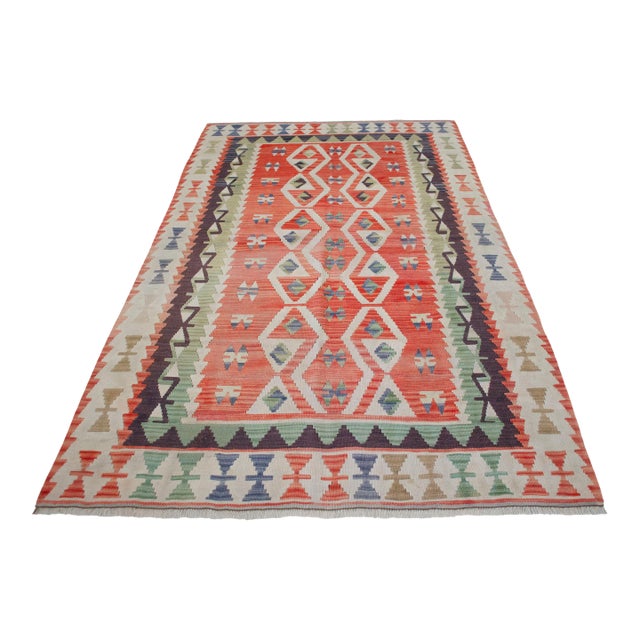
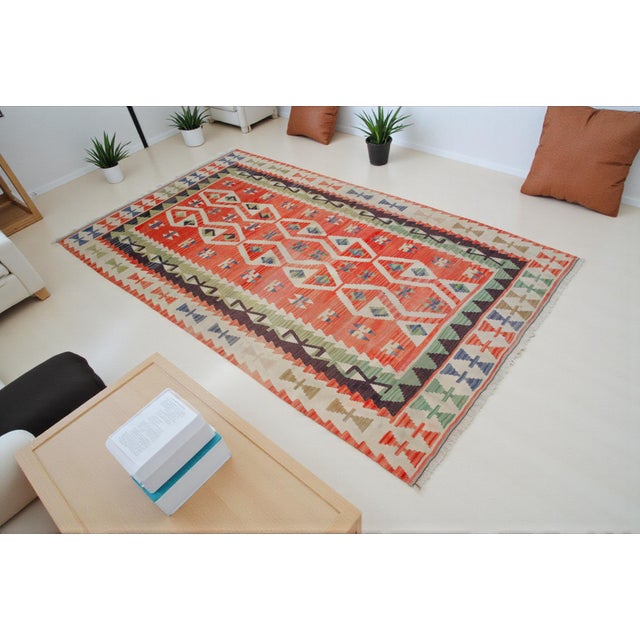
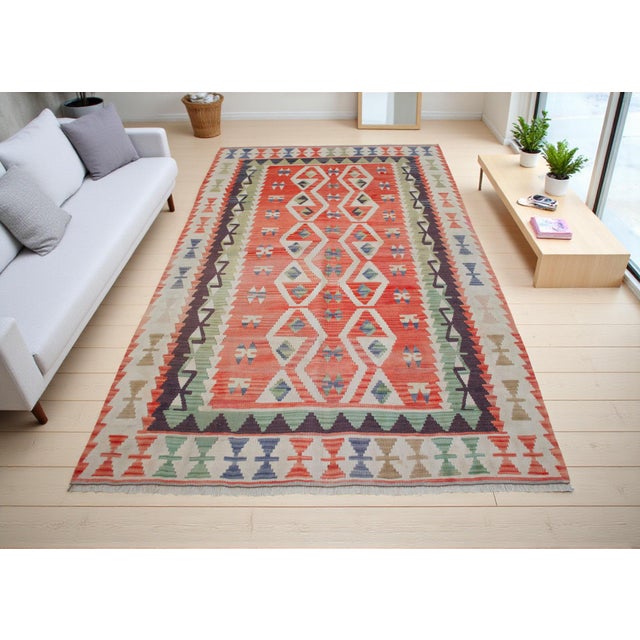
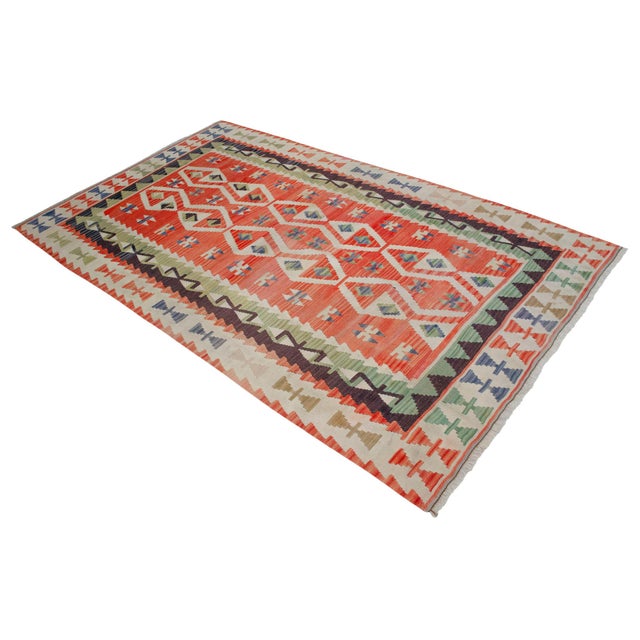
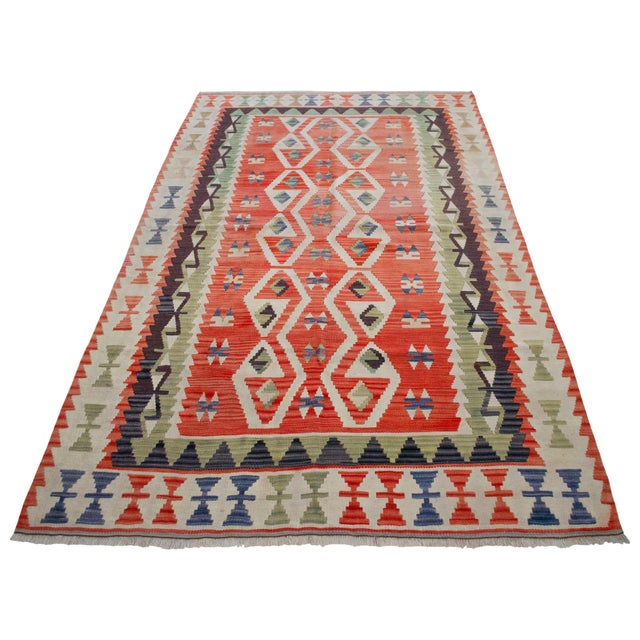
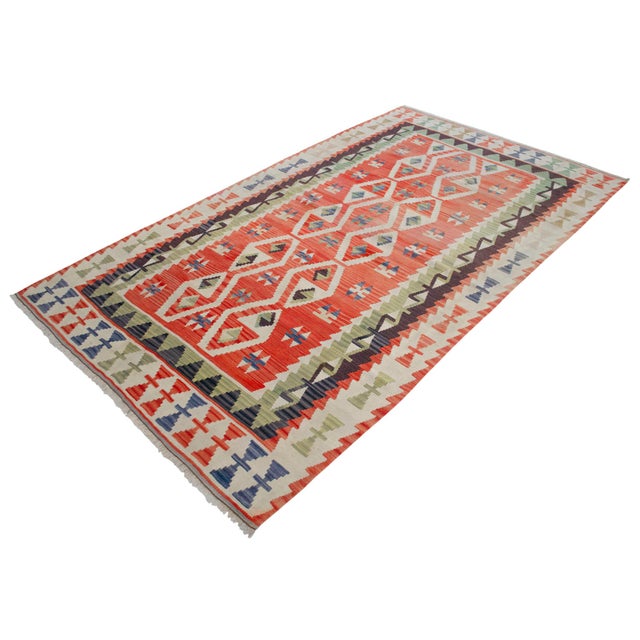
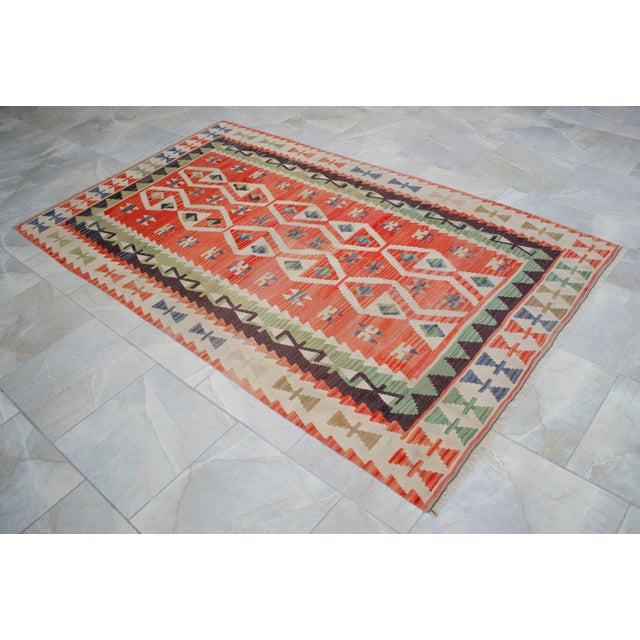
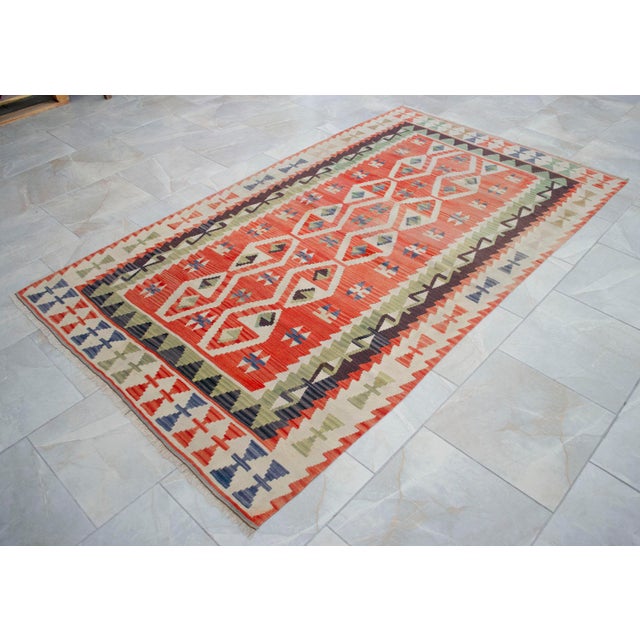
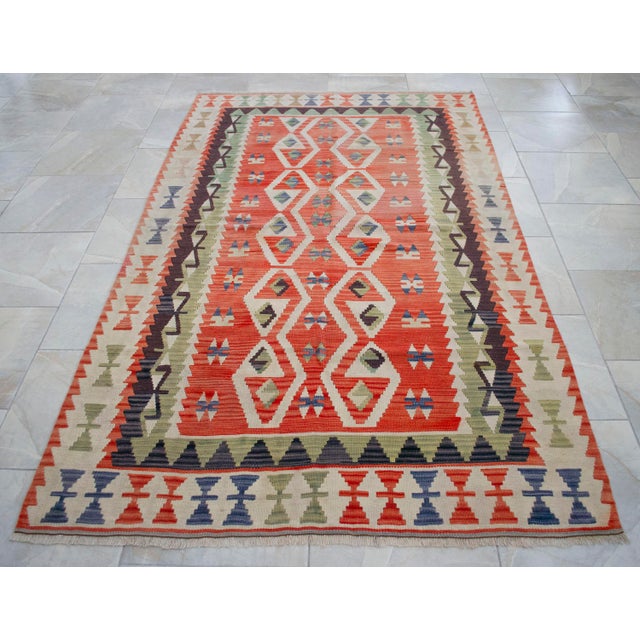
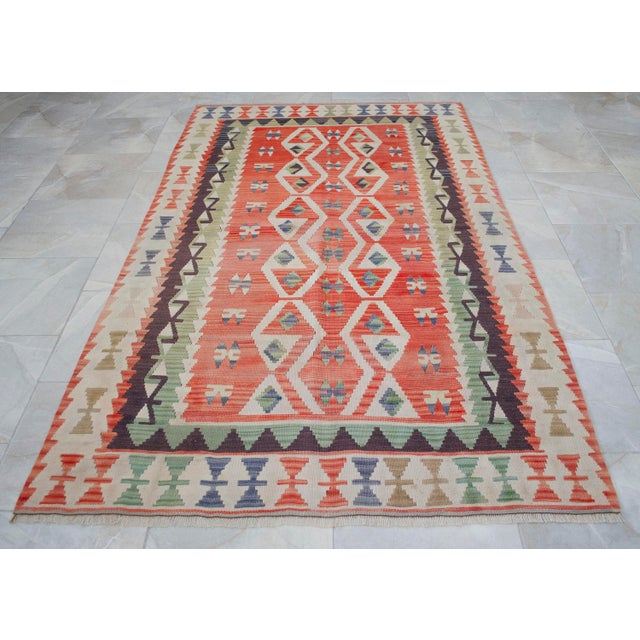
Its geometric rhythm, featuring nested diamond or hexagonal medallions and a repeating border of stylized triangle forms, anchors a room without overwhelming the existing design scheme. For the interior design professional, this piece serves as a potent narrative anchor in spaces ranging from a refined farmhouse living room to a bohemian bedroom or a transitional dining area. Its size makes it versatile, perfectly suited for grounding a seating arrangement, layering over a larger neutral rug, or defining a cozy reading nook. It is a collector-quality piece that instantly introduces cultural depth and artisanal warmth.
Acquire this Oushak kilim as a timeless design investment, adding genuine heritage and texture to your next project.
Design Origin: Oushak, Western Anatolia, Turkey
Construction: Flat Weave Kilim, Hand-woven
Materials: Wool on wool
Dyeing Process: Vegetable-dyed
Production Period: Vintage Mid-Century (1970s-1980s)
Weaving Subtype: Slit-tapestry (traditional kilim)
Measurements: 4′5.15′′×7′7.73′′ (53×92 inches)
Weight: 6.83 lbs
Pile Height / Thickness: Flat ∼0.1 in
Condition: Excellent vintage but unused; professionally cleaned; odorless; no repairs
Recommended Usage: Living room anchor, dining room, layered bedroom rug, console table accent
Care Instructions: Rug pad recommended; vacuum gently without a beater bar; rotate seasonally
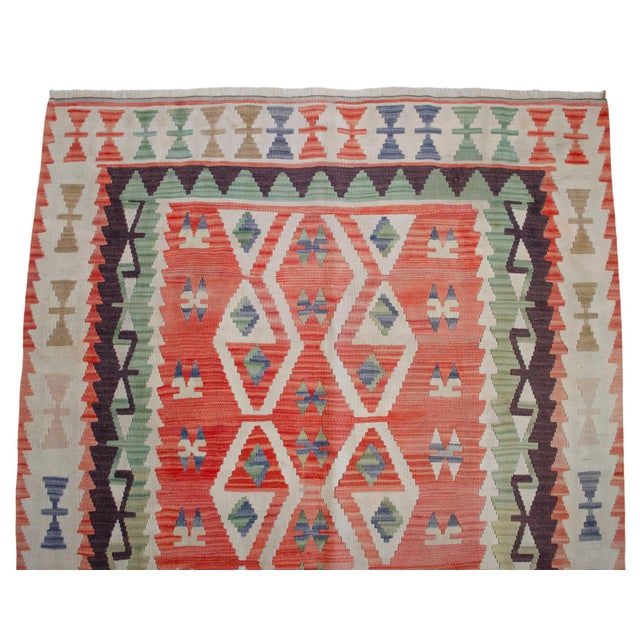
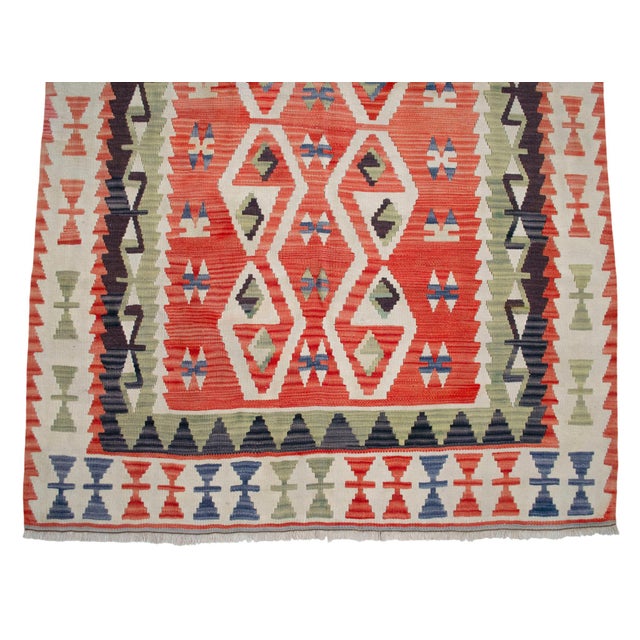
The kilim’s surface is defined by large, nested hexagonal/diamond medallions and a striking border of interlocking geometric triangle patterns. In Anatolian weaving, the diamond or hexagon often represents the protection of the family, the union of opposites, and the eye to ward off misfortune (Nazar). The repeating triangles can symbolize fertility, the mountains, or the hands-on-hips (Elibelinde) motif abstracted to its most elemental form, representing the feminine figure and motherhood. These strong, clean geometric forms are the universal language of village weaving, translating centuries of cultural beliefs and aspirations into a durable, woven narrative.
Faded Coral: Creates the main field’s vibrant, sun-drenched warmth, ideal for softening cool-toned furnishings.
Antique Cream: Provides an essential light ground for contrast, allowing the darker colors to pop with clarity.
Sage Olive: A muted, earthy green that introduces a natural, calming element without dominating the palette.
Dusty Indigo: Used in geometric accents to provide a cool, stable counterpoint to the warm coral field.
Deep Plum: A rich, grounding shade defining the borders, offering a sophisticated frame for the lighter tones.
This palette of warm, earthy shades—anchored by the stunning Faded Coral—is perfect for adding a sense of curated history to modern spaces. The juxtaposition of the rich, warm field with the cool accents of Dusty Indigo and Sage Olive prevents the rug from leaning too heavily in one direction, ensuring it integrates seamlessly into transitional, modern farmhouse, and eclectic boho interiors. It introduces texture and a sense of handmade honesty, providing balance against the streamlined surfaces of contemporary furniture.
Color Disclaimer & Photography:
All images shown are real photographs of the actual rug you will receive, captured by us indoors under natural daylight conditions on a clean, hygienic floor in our physical showroom using a professional camera. We’ve done our very best to present the most accurate visuals possible. (Some interior or exterior lifestyle images you may see are AI-generated for styling purposes.) Please note that colors may vary from screen to screen, and therefore the tones you see on your device might appear slightly different from the rug’s true colors.
International Shipping:
We ship all of our rugs via expedited, trackable carriers and take great care to package each item securely and carefully. Most shipments arrive in the buyer’s country within just a few days. However, please understand that customs clearance and courier delays are beyond our control, and we kindly ask for your patience should such situations occur.
Customs Notice
U.S. Buyers – Relax and Shop with Confidence: All customs duties and import taxes for U.S. shipments are fully covered by us.
What Is a Turkish Rug?
Turkish rugs, known internationally as Anatolian rugs, represent one of the world's most enduring and respected textile traditions. For centuries, these textiles have served not merely as floor coverings but as the most significant artistic and practical expressions of nomadic, village, and imperial life.
Origins The tradition can be traced back to the functional needs of nomadic people and village homes, where textiles provided insulation, protection, and portable art. From these simple, utilitarian beginnings, the craft evolved into a highly refined art form, with regional centers developing distinct styles. The Uşak region, for instance, became renowned not only for its grand knotted carpets but also for the crisp, clean artistry of its flat-weave kilims like this one. In every case, the rug's creation was deeply personal, representing hours of laborious, hand-craft work using materials, techniques, and designs passed down through generations. The practice represents a continuous, unbroken artistic lineage from ancient times to today.
Symbolism The geometric and stylized motifs woven into every Turkish rug are not random decorations; they are the visual language of the weaver—a record of hopes, fears, and beliefs. Iconic symbols serve as a protective narrative. The Elibelinde (hands-on-hips) motif represents motherhood and fertility; the Ram’s Horn (Koçboynuzu) signifies strength, heroism, and power; and the Tree of Life connects the earth to the heavens, symbolizing eternity and spiritual connection. Even abstract geometric shapes, such as the diamonds and triangles seen here, often carry intentions for protection from the evil eye (Nazar) and for good fortune, turning the rug into a powerful talisman for the home.
Weaving Technique Anatolian textiles are broadly classified into two main types: hand-knotted pile rugs and flat-woven kilims. Pile rugs are constructed by manually tying thousands of individual knots onto the warp threads, resulting in a thick, velvety surface ideal for warmth and luxury. By contrast, a kilim (like this Oushak piece) is a tapestry-woven textile where the weft strands are tightly packed over the warp strands to form a pattern without a pile. This technique results in a thin, reversible, and highly durable textile perfect for layering, wall hangings, and high-traffic areas. Both traditions rely on natural wool, expertly prepared, and woven on traditional handlooms. This specific rug uses wool on wool construction and has been colored using traditional vegetable-dyed processes, resulting in the soft, rich patina seen in the photographs.
Modern Relevance Authentic vintage Turkish kilims and rugs are indispensable tools for contemporary interior design. Their rich texture and organic, subtle coloration provide a vital counterpoint to modern architecture and furniture. Designers use them to introduce warmth beneath a sleek glass coffee table, to define an entry hall as a soulful statement, or to anchor a sophisticated bedroom. Purchasing a genuine, handmade kilim is an investment in an heirloom-quality piece that will only gain character and narrative depth with time.
Search Terms :Mix Oushak kilim, vintage flat weave, Turkish rug, handwoven, village weaving, Anatolian textile, boho decor, farmhouse style, wool on wool, vegetable dyed, mid century rug, floor covering, geometric rug, tribal pattern, entryway runner, bedroom rug, living room, antique textile, decorative accent, narrow rug, designer piece, collector rug, slittapestry, authentic Turkish, Kilim
See less
- Dimensions
- 4′5″ × 7′8″ and 0.1″ thick
- Pattern
- Geometric
- Rug Construction
- Flatweave
- Period
- 1980s
- Country of Origin
- Turkey
- Item Type
- Vintage, Antique or Pre-owned
- Materials
- Wool
- Condition
- Good Condition, Original Condition Unaltered, Some Imperfections
- Color
- Rose
- Condition Notes
- Very good Very good less
Questions about the item?
Returns & Cancellations
Return Policy - All sales are final 48 hours after delivery, unless otherwise specified in the description of the product.
Cancellation Policy - Prior to shipping or local pickup, buyers may cancel an order for up to 48 hours, unless otherwise specified.
Related Collections
- Seagrass Rugs
- Louis XVI Rugs
- Bamboo Fabric Rugs
- Josef Albers Rugs
- Beaux-Arts Rugs
- Classical Greek Rugs
- Cashmere Rugs
- Rugs in Chicago
- Rugs in New York
- Moroccan Rugs
- Persian Rugs
- Scandinavian Rugs
- Rugs in Los Angeles
- Art Nouveau Rugs
- Rugs in Dallas
- Spanish Rugs
- Karastan Rugs
- Rugs in Washington DC
- Art Deco Rugs
- Rugs in San Francisco
- Early American Rugs
- French Rugs
- Rugs in Philadelphia
- Khotan Rugs
- Southwestern Rugs