

Details
Description
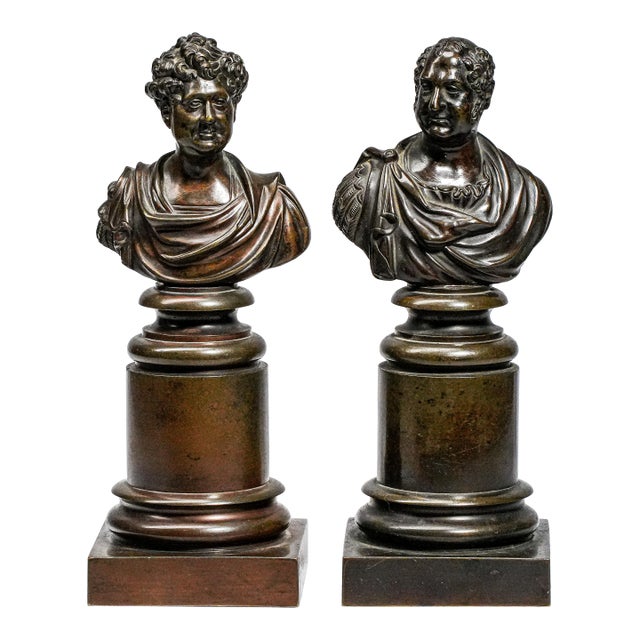
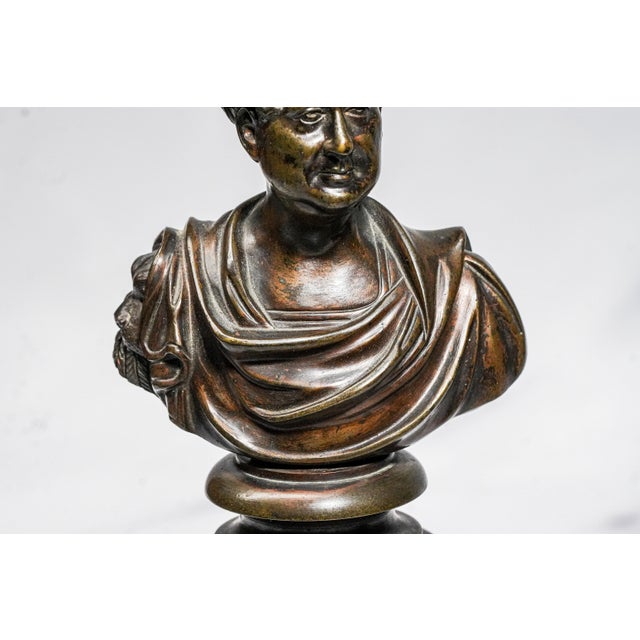
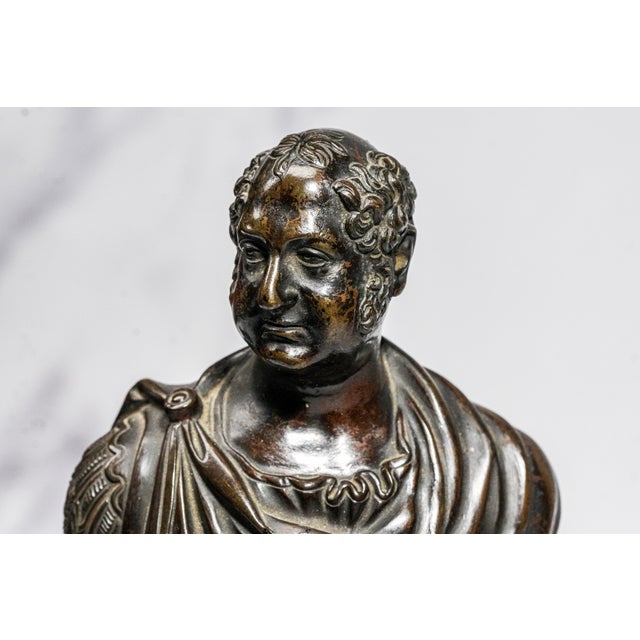
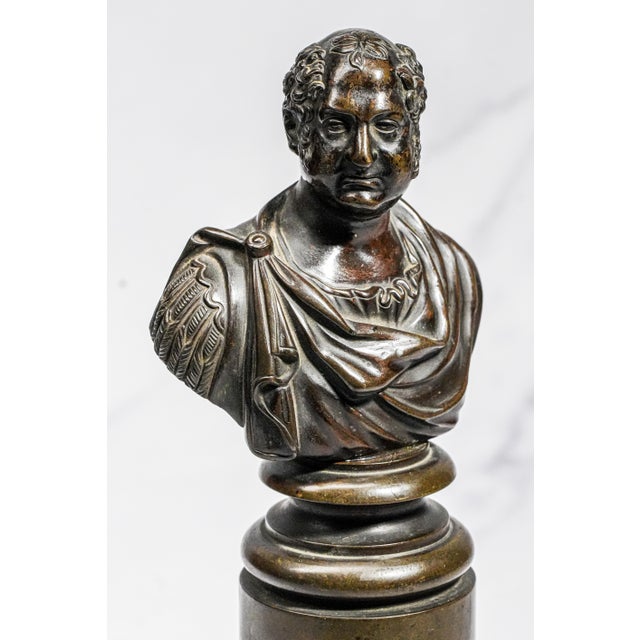
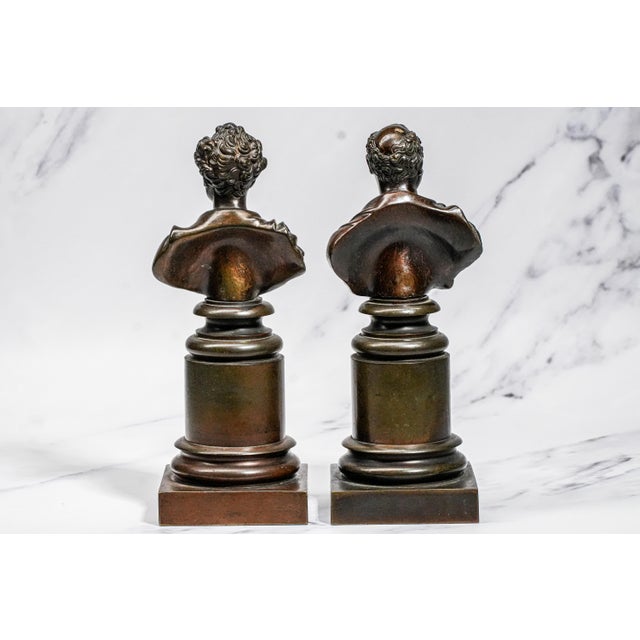
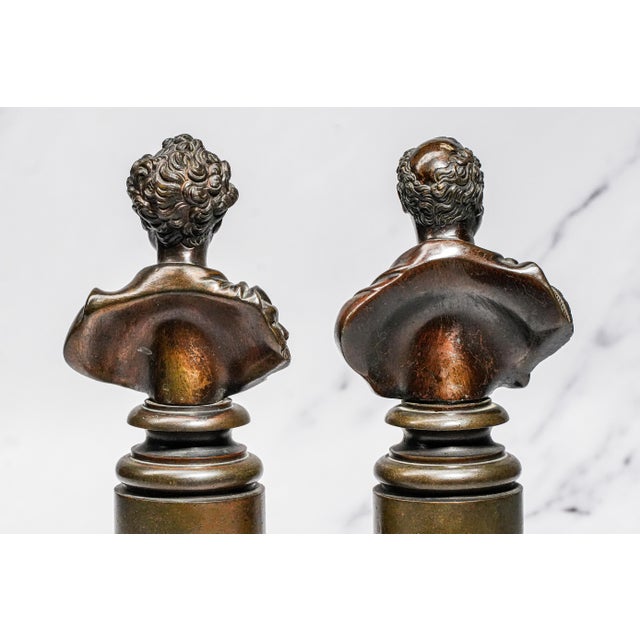
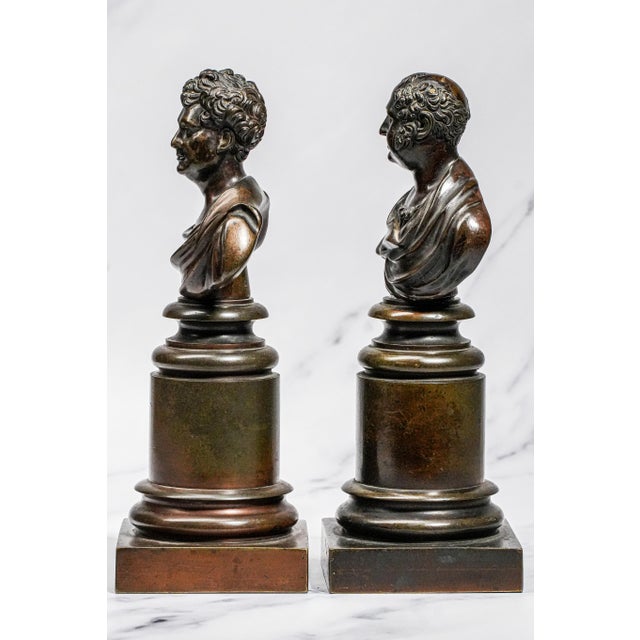
This impressive early nineteenth century pair of English bronze busts depicts royalty in the neoclassical tradition, styled as Roman emperors …
Read more
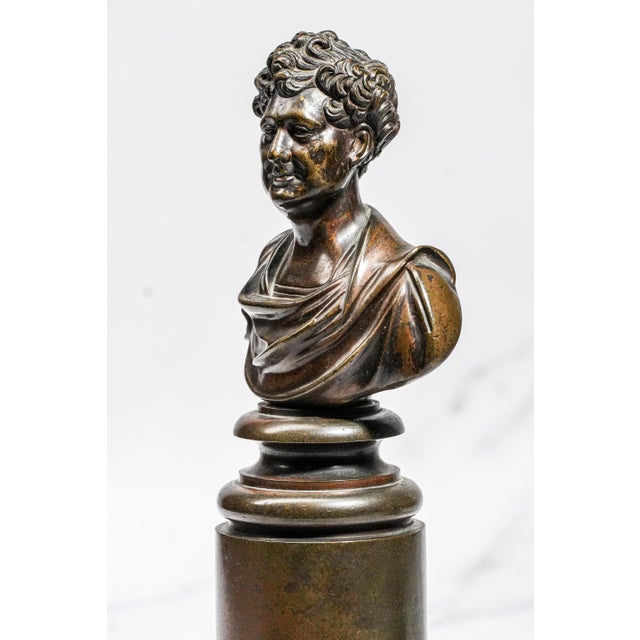
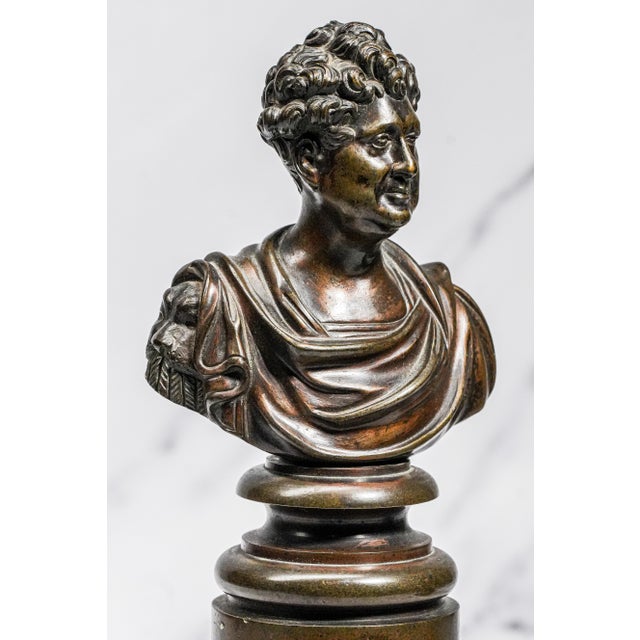
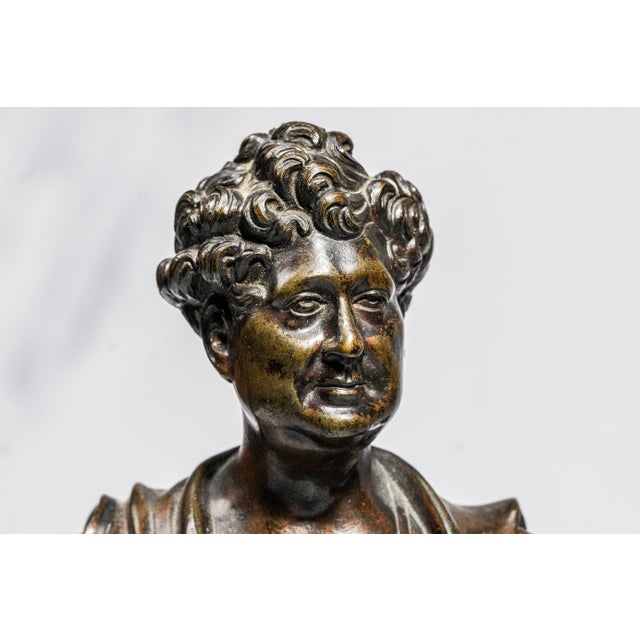
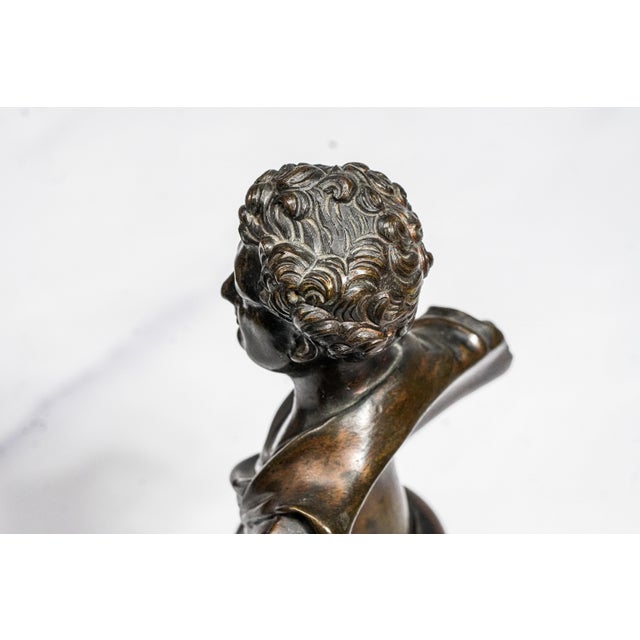
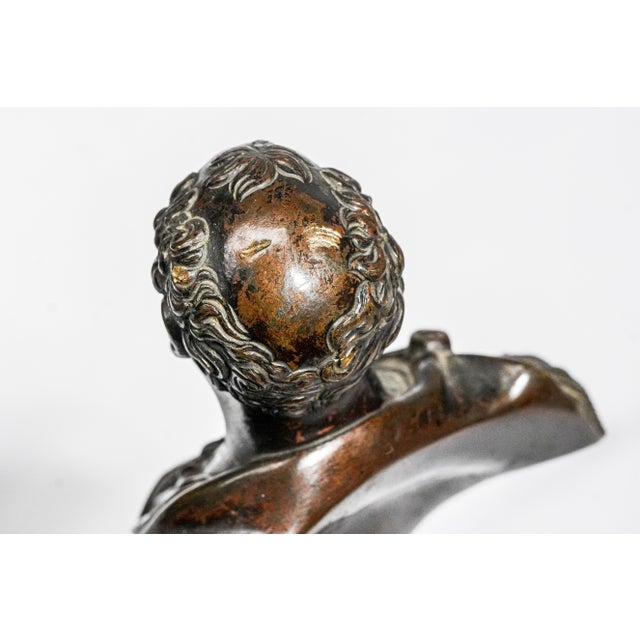
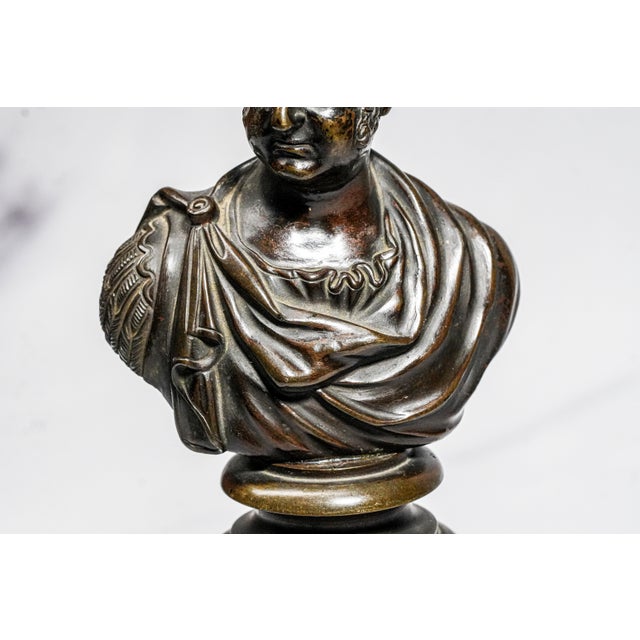
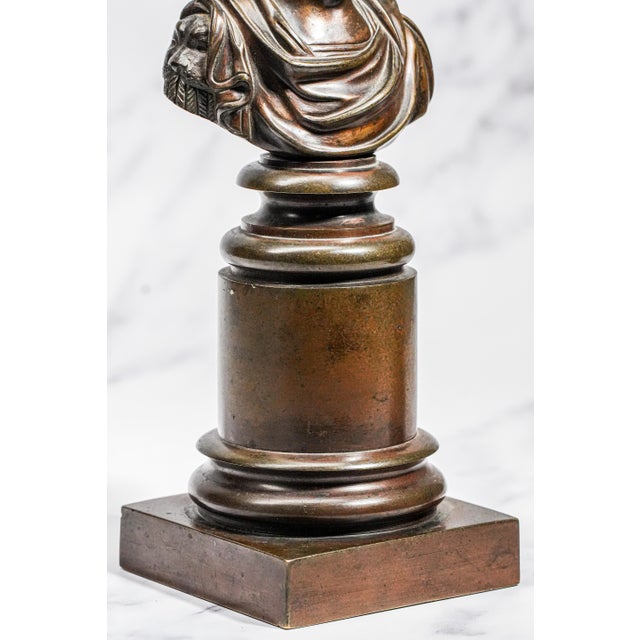
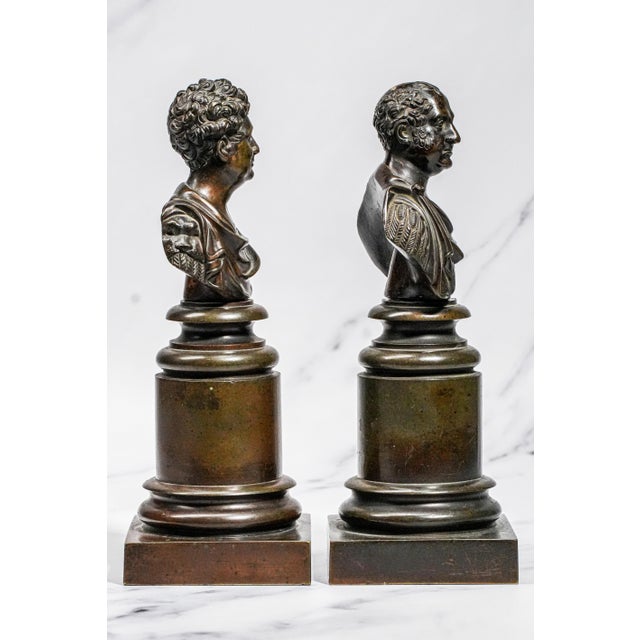
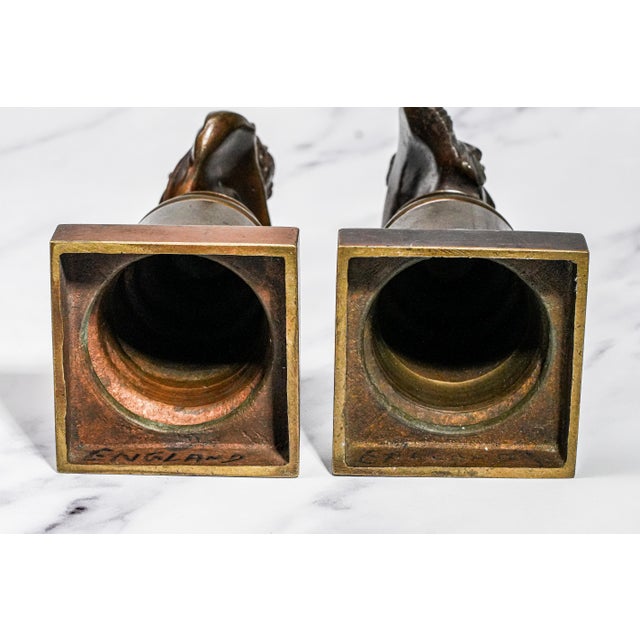
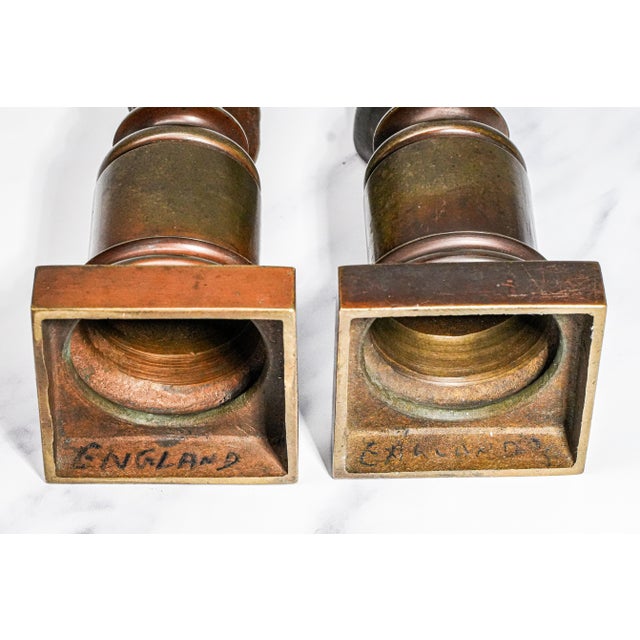
This impressive early nineteenth century pair of English bronze busts depicts royalty in the neoclassical tradition, styled as Roman emperors with finely detailed drapery and noble bearing. Each bust is cast in solid bronze with a rich, dark patina, resting upon a stepped cylindrical plinth base of thick bronze with a hollow center, giving them both presence and weight. Unmarked yet crafted with refinement, these bronzes exemplify the high quality of Victorian-era metalwork.
One bust represents King George IV (1762–1830), the eldest son of George III, who served as Prince Regent from 1811 until his father’s death in 1820, before reigning as King until 1830. Known for his extravagant tastes and love of the arts, he left a cultural legacy in architecture and design, most notably through the Brighton Pavilion and renovations at Windsor Castle. The other bust portrays Prince Frederick Augustus, Duke of York and Albany (1763–1827), the second son of George III, who became Commander-in-Chief of the British Army. Though his battlefield career was uneven, he was celebrated for his military reforms, professionalizing the structure and discipline of the British Army. The two figures are brothers, sons of King George III and Queen Charlotte, making this pair especially meaningful as a dynastic set.
Their style is firmly rooted in the neoclassical revival popular in the 19th century, with both men depicted in the guise of Roman leaders, clothed in military garb and classical drapery, blending the authority of antiquity with contemporary royal likeness. Measuring 9.75 inches high, 3.5 inches wide, and 3.75 inches deep, with a combined weight of approximately 5 pounds. Good antique condition, dark untouched aged patina, there is an indent the back of the head on one of the busts, some marker written on interior bases. Please review the photos for further condition assessment.
These bronzes are ideal as distinguished home décor for a library, study, or mantelpiece. They also stand as collectible Grand Tour pieces, embodying both the romantic fascination with antiquity and the enduring prestige of Britain’s royal heritage.
See less
- Dimensions
- 3.5ʺW × 3.75ʺD × 9.75ʺH
- Period
- 19th Century
- Country of Origin
- United Kingdom
- Item Type
- Vintage, Antique or Pre-owned
- Materials
- Bronze
- Condition
- Good Condition, Original Condition Unaltered, Some Imperfections
- Color
- Bronze
- Condition Notes
- Good antique condition, dark untouched aged patina, there is an indent the back of the head on one of the … moreGood antique condition, dark untouched aged patina, there is an indent the back of the head on one of the busts, some marker written on interior bases. Please review the photos for further condition assessment. less
Questions about the item?
Returns & Cancellations
Return Policy - All sales are final 48 hours after delivery, unless otherwise specified in the description of the product.
Cancellation Policy - Prior to shipping or local pickup, buyers may cancel an order for up to 48 hours, unless otherwise specified.
Related Collections
- Straw Sculpture
- Roman Bronze Works Sculpture
- Constantin Brancusi Sculpture
- Fernando Botero Sculpture
- Louis XIV Sculpture
- Medium-Density Fibreboard Sculpture
- Polished Brass Finish Sculpture
- Recycled/Repurposed Sculpture
- Gourd Sculpture
- Sculpture in Panama City, FL
- Albert Ernest Carrier-Belleuse Sculpture
- Flavio Poli Sculpture
- Maison Jansen Sculpture
- Georgian Sculpture
- Sculpture in Columbus
- Barovier and Toso Sculpture
- Far Pavilions Sculpture
- Emmanuel Villanis Sculpture
- Geode Sculpture
- Antique Iron Finish Sculpture
- René Lalique Sculpture
- Worlds Away Sculpture
- Photography Sculpture
- Gold-Plate Sculpture
- Jute Sculpture