



Details
Description
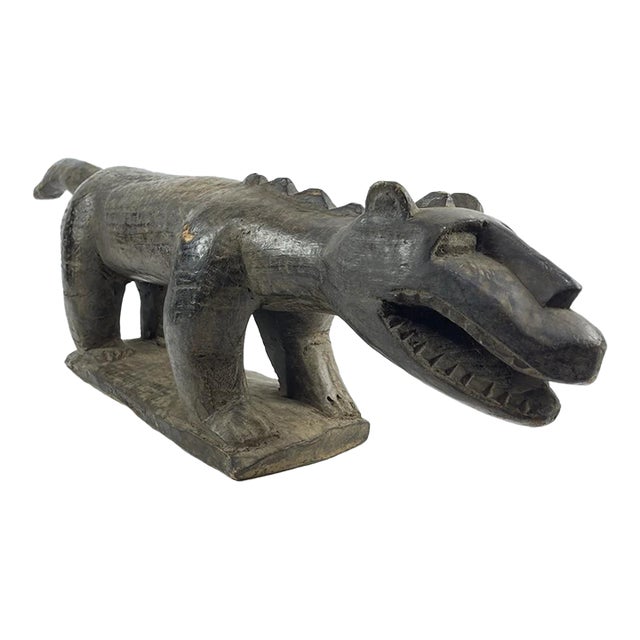
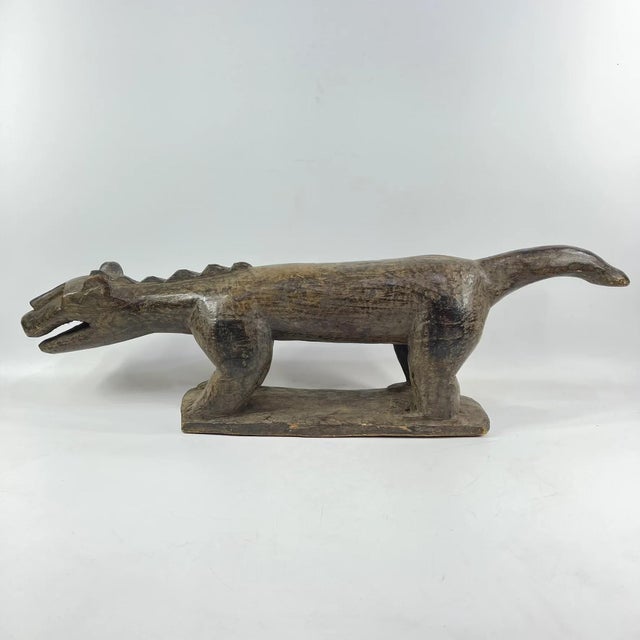
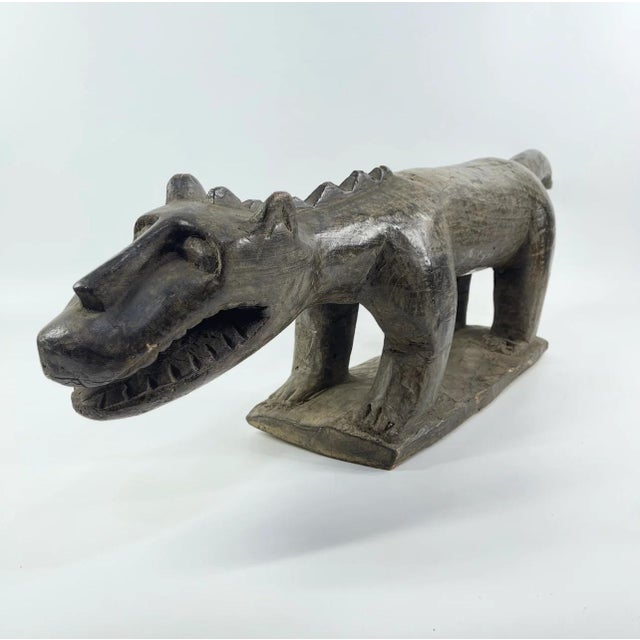
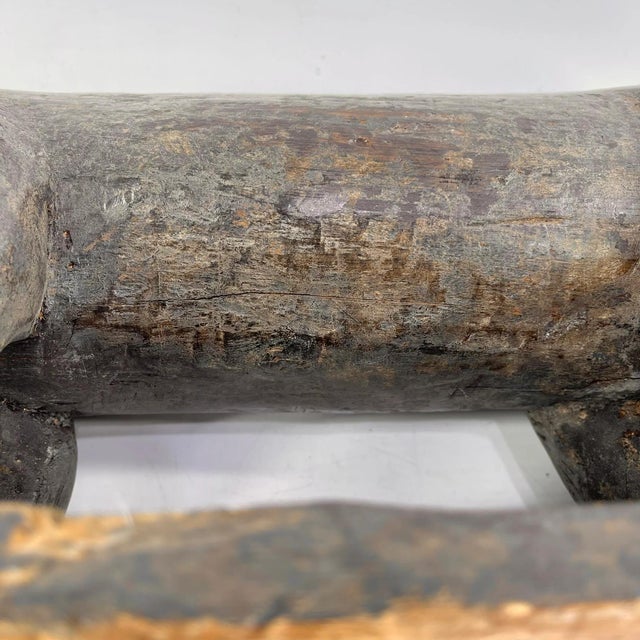
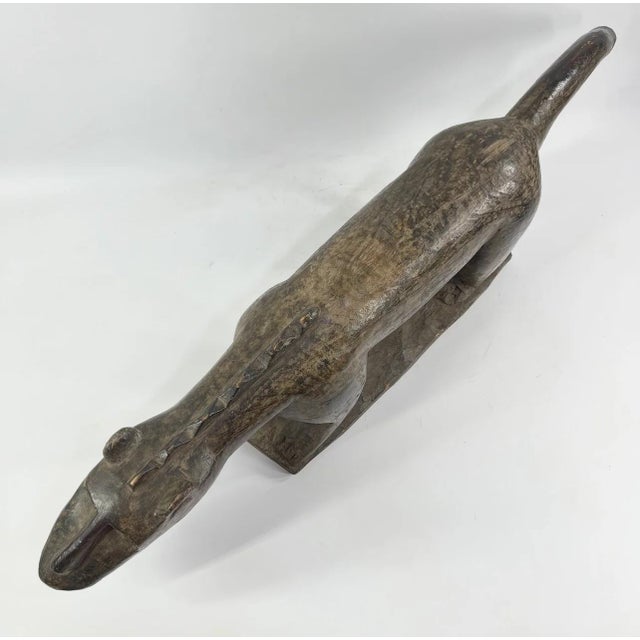
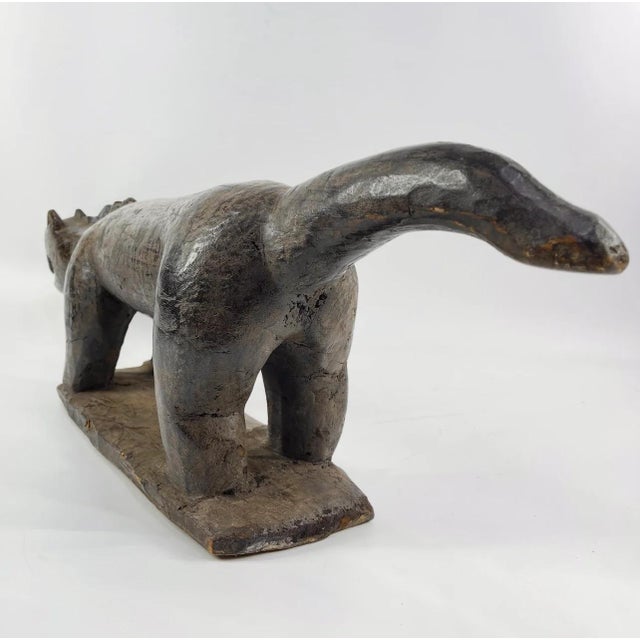
Carved wooden figure depicting a hyena, attributed to the Baule people of Côte dâIvoire. While animal figures are less central …
Read more
Carved wooden figure depicting a hyena, attributed to the Baule people of Côte dâIvoire. While animal figures are less central in Baule sculpture, this example reflects regional artistic exchange within West Africa. The form shows controlled stylization and a balanced composition, with a worn surface and patina consistent with age. A compelling piece bridging traditional Baule aesthetics and broader symbolic animal imagery.
The Baule people are one of the largest ethnic groups in the Côte d'Ivoire. They have played a central role in the twentieth-century history of the country. They waged the longest war of resistance to French colonization of any West African people, and maintained their traditional objects and beliefs longer than many groups in such constant contact with European administrators, traders, and missionaries. The Baule belong to the Akan peoples who inhabit Ghana and Côte d'Ivoire. According to a legend, during the eighteenth century, the queen, Abla Poku, had to lead her people west to the shores of the Comoe, the land of the Senufo. In order to cross the river, she sacrificed her own son. This sacrifice was the origin of the name Baule, for baouli means âÃúthe child has died.âÃù Now about one million Baule occupy a part of the eastern Côte d'Ivoire between the Komoé and Bandama rivers that is both forest and savanna land. Baule society was characterized by extreme individualism, great tolerance, a deep aversion toward rigid political structures, and a lack of age classes, initiation, circumcision, priests, secret societies, or associations with hierarchical levels. Each village was independent from the others and made its own decisions under the presiding presence of a council of elders. Everyone participated in discussions, including slaves. It was an egalitarian society. The Baule compact villages are divided into wards, or quarters, and subdivided into family compounds of rectangular dwellings arranged around a courtyard; the compounds are usually aligned on either side of the main village street.
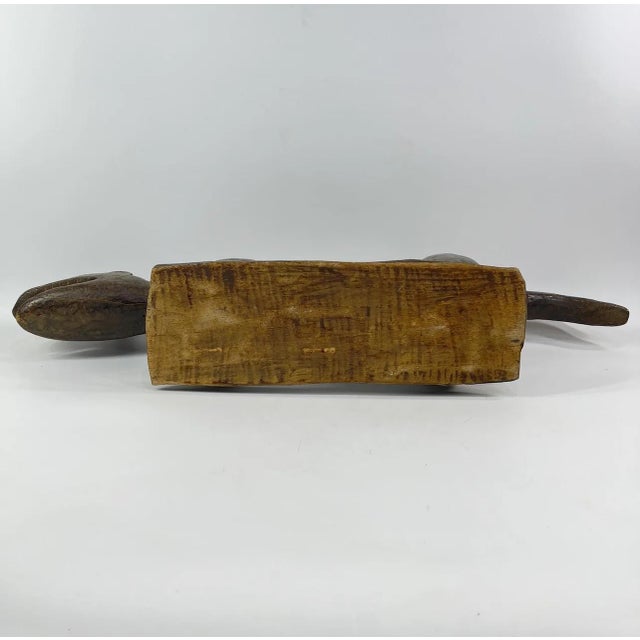
Hairline cracks and surface wear. Height (In) 36.0Width (In) 10.0Depth (In) 6.0
154638
See less
- Dimensions
- 10ʺW × 6ʺD × 36ʺH
- Styles
- African
- Period
- Early 20th Century
- Country of Origin
- Ghana
- Item Type
- Vintage, Antique or Pre-owned
- Materials
- Wood
- Condition
- Good Condition, Original Condition Unaltered, Some Imperfections
- Color
- Brown
- Condition Notes
- Good. Most of our pieces have spent decades on at least two continents, and have been treasured by several owners. … moreGood. Most of our pieces have spent decades on at least two continents, and have been treasured by several owners. | Hairline cracks, surface wear and chips. See photos for details. less
Questions about the item?
Returns & Cancellations
Return Policy - All sales are final 48 hours after delivery, unless otherwise specified in the description of the product.
Cancellation Policy - Prior to shipping or local pickup, buyers may cancel an order for up to 48 hours, unless otherwise specified.
Related Collections
- Wildwood Models and Figurines
- Rose Quartz Models and Figurines
- Vienna Secession Models and Figurines
- Ralph Lauren Models and Figurines
- Villeroy and Boch Models and Figurines
- Models and Figurines in Lexington, KY
- Ardalt Models and Figurines
- Acrylic Paint Models and Figurines
- Bennington Potters Models and Figurines
- Bright Pink Models and Figurines
- Political and Patriotic Models and Figurines
- Maison Jansen Models and Figurines
- Jasper Models and Figurines
- Unlacquered Brass Finish Models and Figurines
- Sèvres Porcelain Models and Figurines
- William Kent Models and Figurines
- Brass Models and Figurines
- Staffordshire Dog Figurines
- Italian Models and Figurines
- Elephant Figurines
- Cat Figurines
- Ceramic Cats
- Antique Model Ships
- Bird Figurines
- Dog Figurines