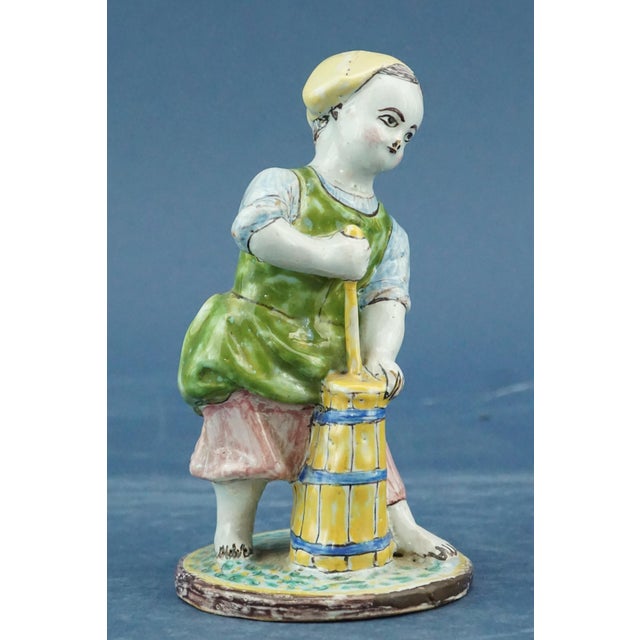
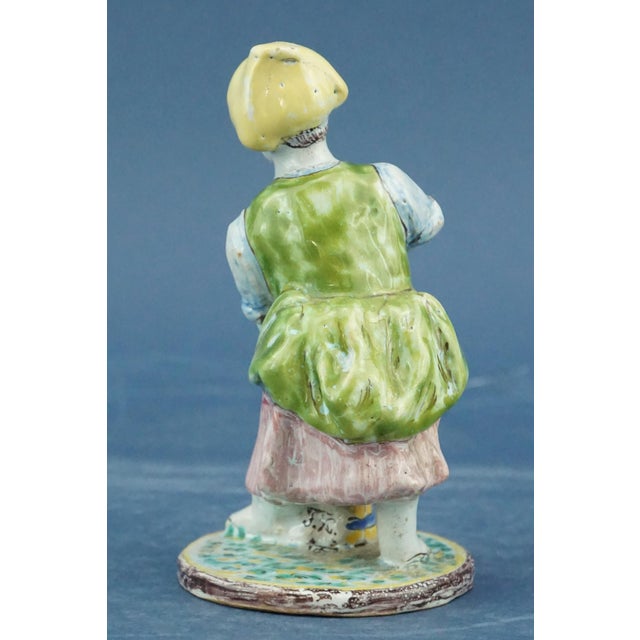
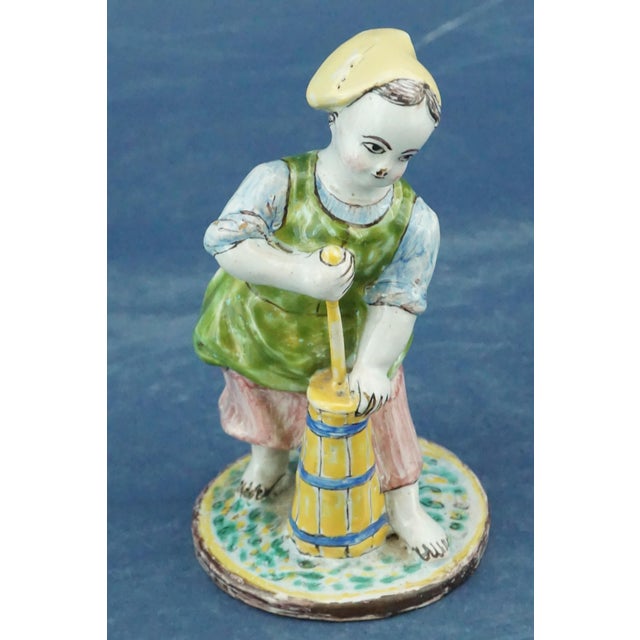
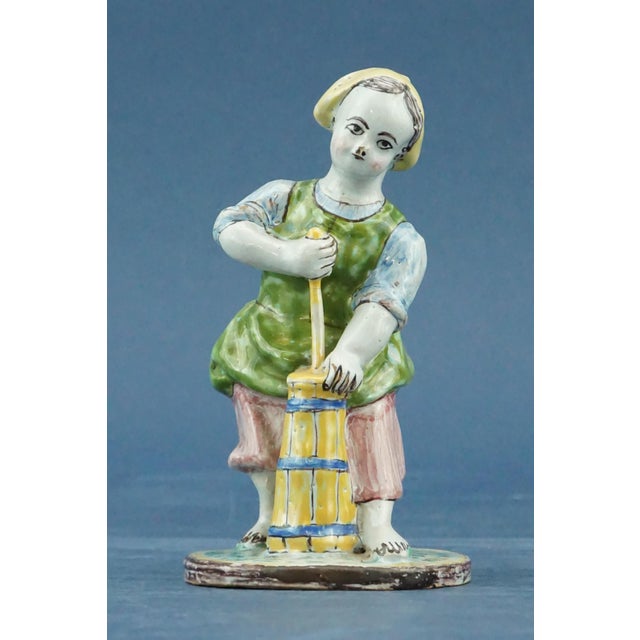


Details
Description
Measurements:
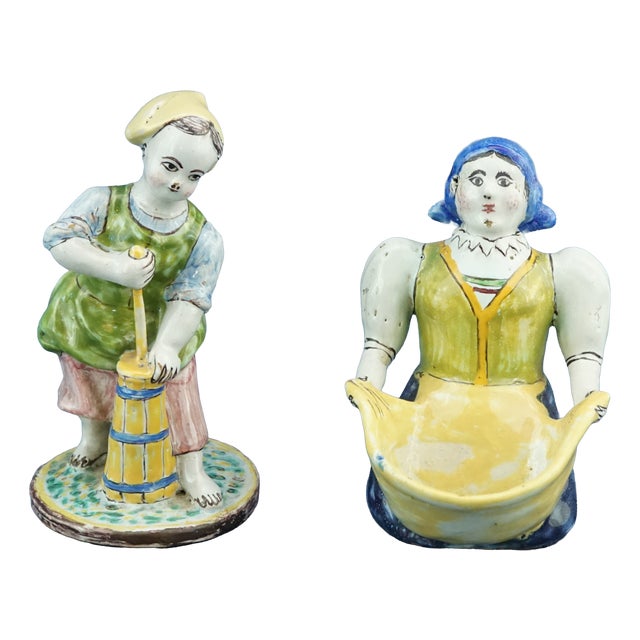
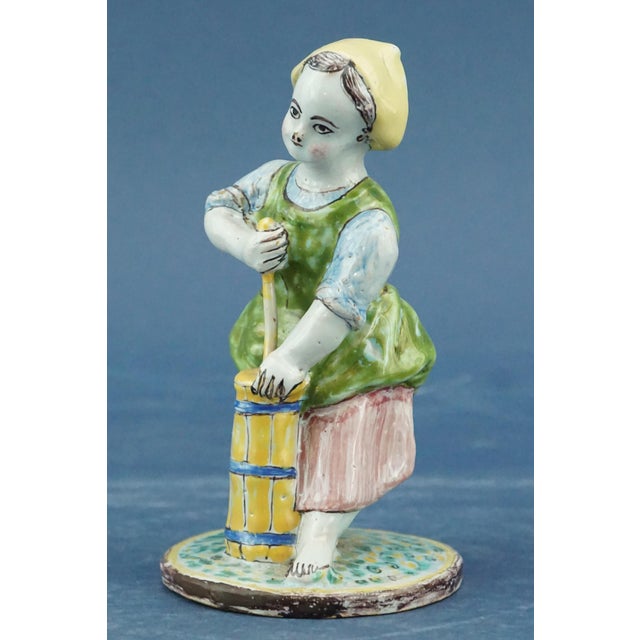
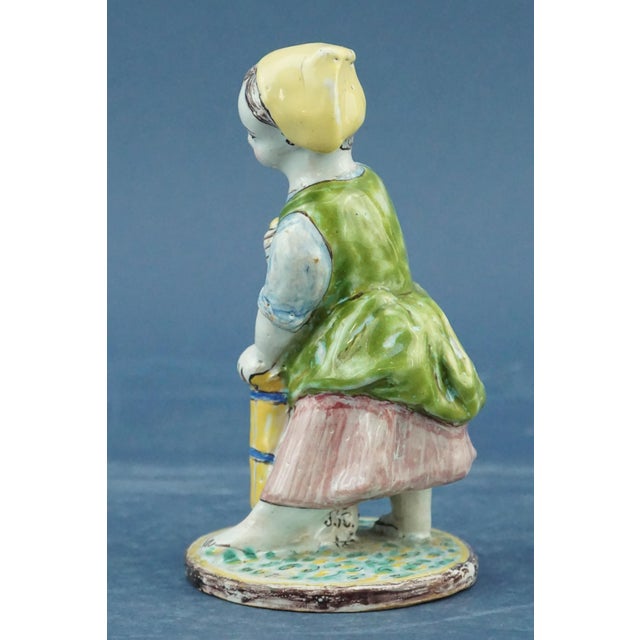
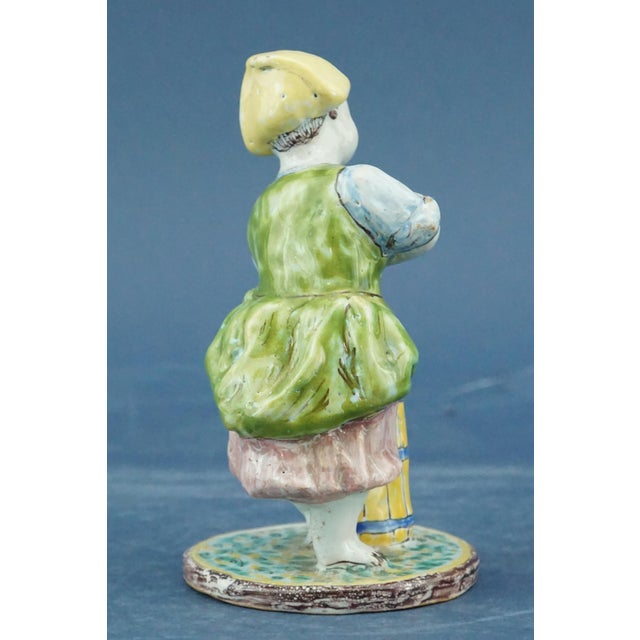
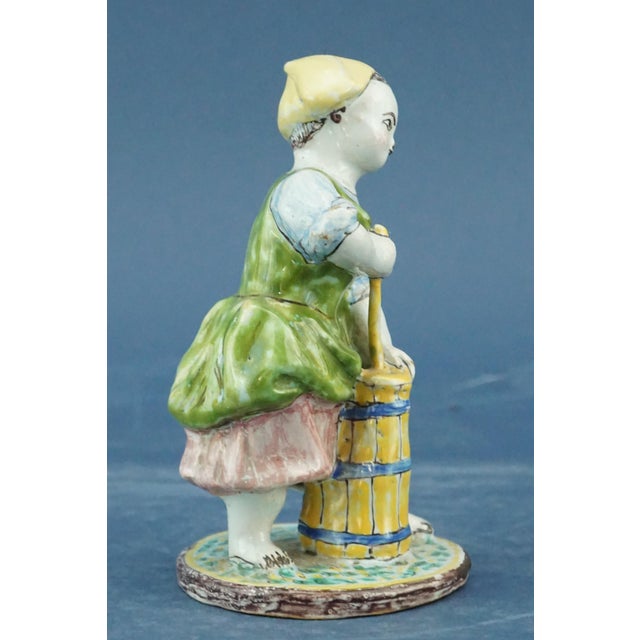
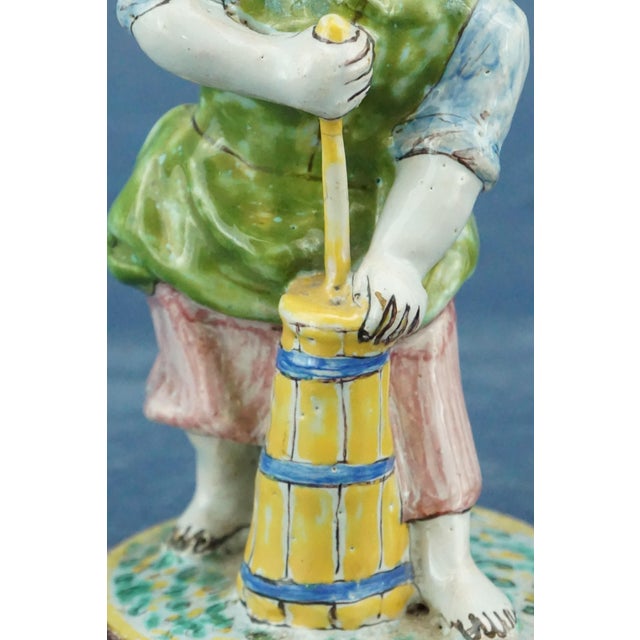
standing woman: height: 11 cm; width: 6.5 cm; depth: 6.5 cm
seated woman: height: 9.7 cm; width: 7 cm; …
Read more
Measurements:
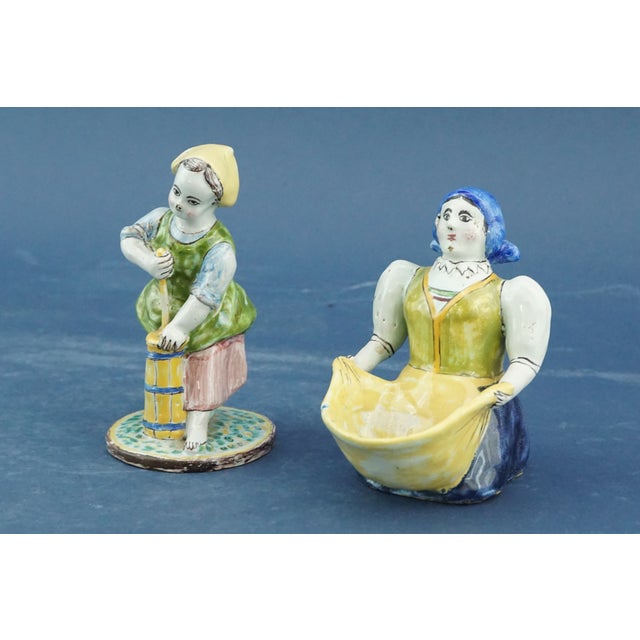
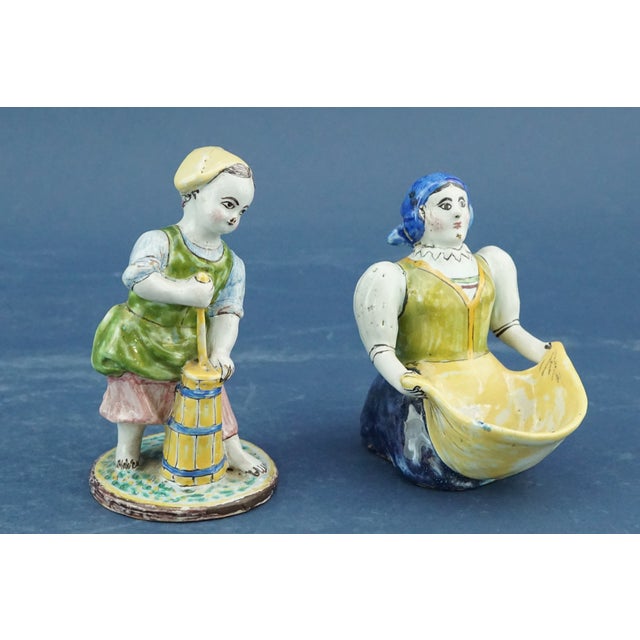
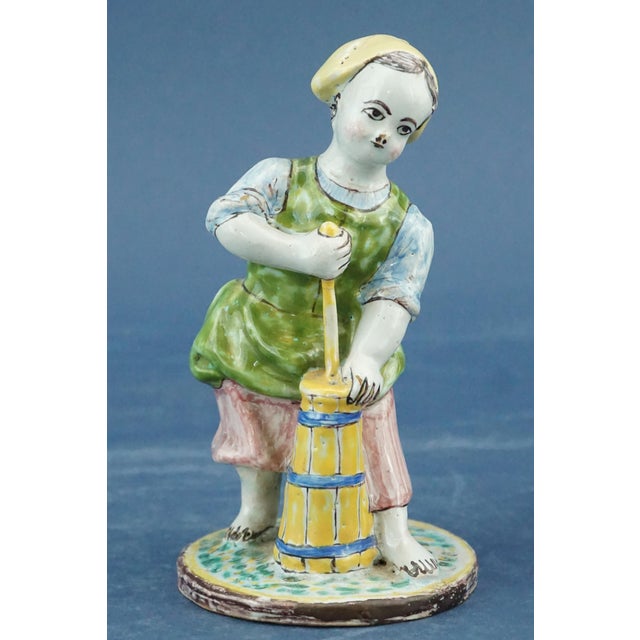
standing woman: height: 11 cm; width: 6.5 cm; depth: 6.5 cm
seated woman: height: 9.7 cm; width: 7 cm; depth: 9 cm
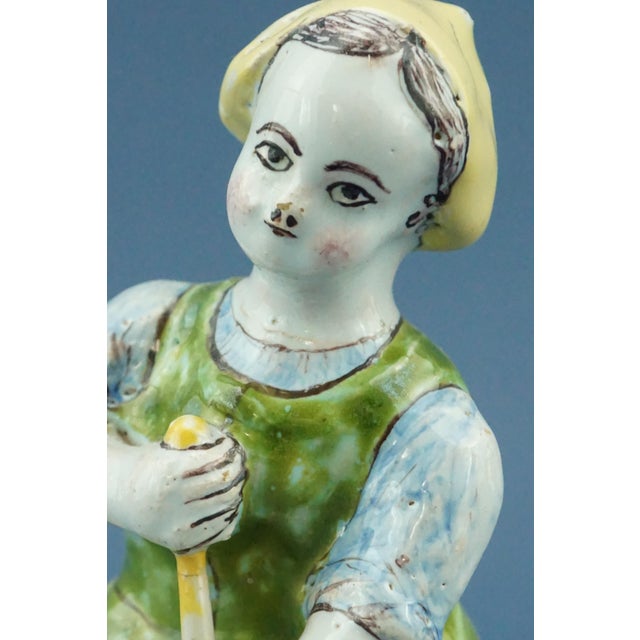
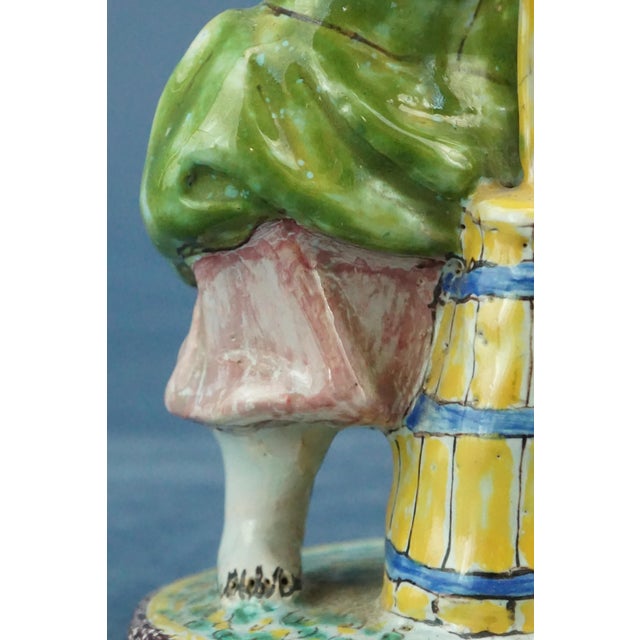
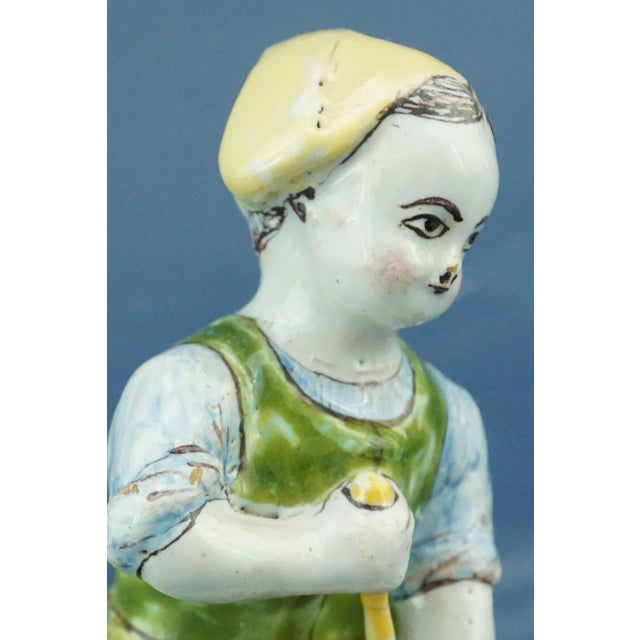
condition: excellent overall condition.
item :
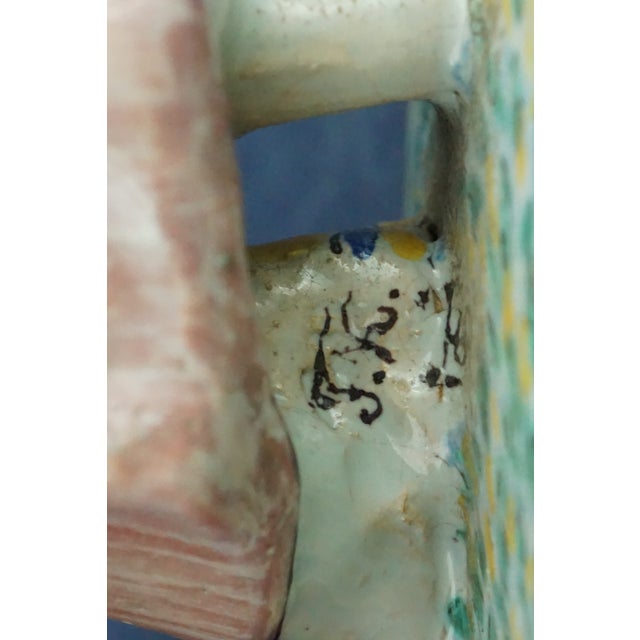
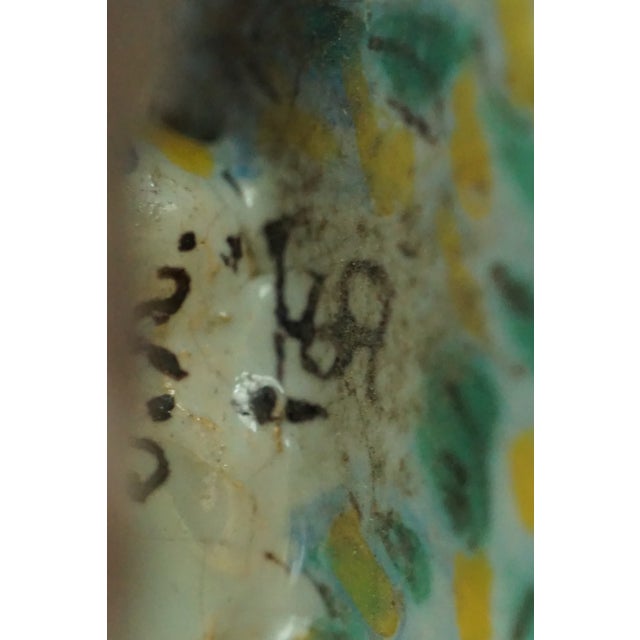
pair of glazed ceramic sculptures, entirely hand-decorated with tin glazes and vitrified, made in the 19th century by the stomfa factory, also known as stupava in slovakian, a city in the kingdom of hungary. They are signed under the base with a hand-painted mark "ts" identifying their provenance, or "stomfa." in the photo, immediately below this , we have included the mark and brief historical notes on the factory, taken from one of our french volumes. This manufacture was influenced by the anabaptists, a radical movement of the protestant reformation born in switzerland in 1525, known for rejecting infant baptism in favor of adult baptism (believer baptism). The anabaptists were renowned worldwide for producing highly artistic majolica, known as haban faience or "haban faience," all glazed with tin glazes fired at high temperatures (or second firing), a process in which the object, previously biscuit-glazed, is glazed and fired a second time at high temperatures, generally between 900°c and 1060°c. The color palette and even the type of decoration of most haban ceramics is extremely similar to that of our pair of figurines, with bright colors of turquoise, green, cobalt blue, and ochre on a white background, often a white background. Their artistic production consisted primarily of hand-decorated vases and plates, as well as sculptures similar to ours, depicting popular or religious scenes or figures. Today, many of the oldest pieces of haban pottery are considered true artistic treasures and are held in major museums in central europe.
about the artist and/or manufacturer:
ceramic production in stomfa (slovak: stupava, german: stampfen), located in present-day western slovakia, has a historic tradition, particularly for majolica, dating back to the 18th century, when the region was part of the kingdom of hungary. Stomfa was a center of faience production, often attributed to the "anabaptist" or "haban" tradition. The ceramics produced there were known for their grand feu decoration with floral motifs, using colors such as blue, ochre, and turquoise. Typical artifacts included baluster-shaped jugs (jugs), characterized by a small foot and a shaped spout, as well as vases, plates, and sculptures of a folk or religious nature. Although the area is now part of slovakia, in the context of historical antiquities, these ceramics are often referred to as "hungarian stomfa" or "slovak stupava." this piece has an attribution mark,
i am sure that it is completely authentic and take full responsibility for any authenticity
issues arising from misattribution
See less
- Dimensions
- 2.76ʺW × 3.54ʺD × 4.33ʺH
- Country of Origin
- Hungary
- Item Type
- Vintage, Antique or Pre-owned
- Materials
- Ceramic
- Condition
- Original Condition Unaltered, Some Imperfections
- Color
Returns & Cancellations
Return Policy - All sales are final 48 hours after delivery, unless otherwise specified in the description of the product.
Cancellation Policy - Prior to shipping or local pickup, buyers may cancel an order for up to 48 hours, unless otherwise specified.
Related Collections
- Kjell Engman Models and Figurines
- Ardalt Models and Figurines
- Vienna Secession Models and Figurines
- Societa Ceramica Italiana Models and Figurines
- Serpentine Models and Figurines
- Richard Ginori Models and Figurines
- Egyptian Models and Figurines
- Pastel Models and Figurines
- Otagiri Company Models and Figurines
- Brass Models and Figurines
- Ceramic Cats
- Bird Figurines
- Dog Figurines
- Staffordshire Dog Figurines
- Elephant Figurines
- Jade Models and Figurines
- Antique Model Ships
- Herend Models and Figurines
- Murano Glass Models and Figurines
- Porcelain Birds
- Cat Figurines
- Japanese Models and Figurines
- Antique German Bisque Figurines
- Chinese Models and Figurines
- Italian Models and Figurines