




Details
Description
The 18th century was a period of immense cultural and artistic evolution. Furniture from this era often reflected the grandeur …
Read more
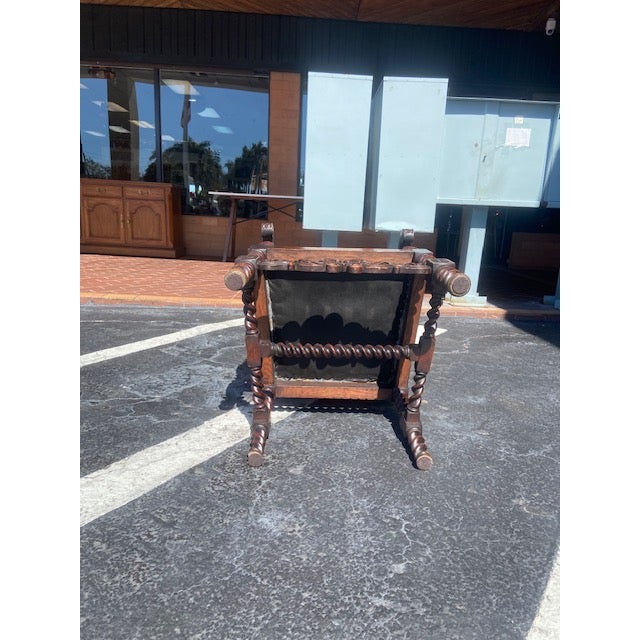
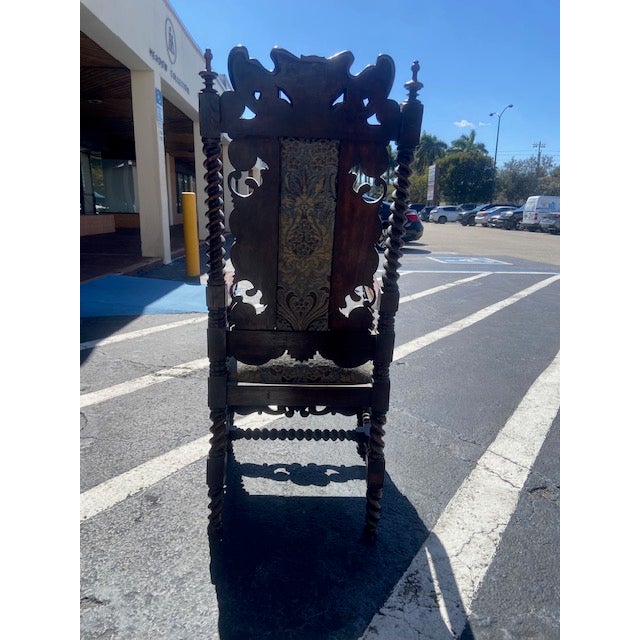
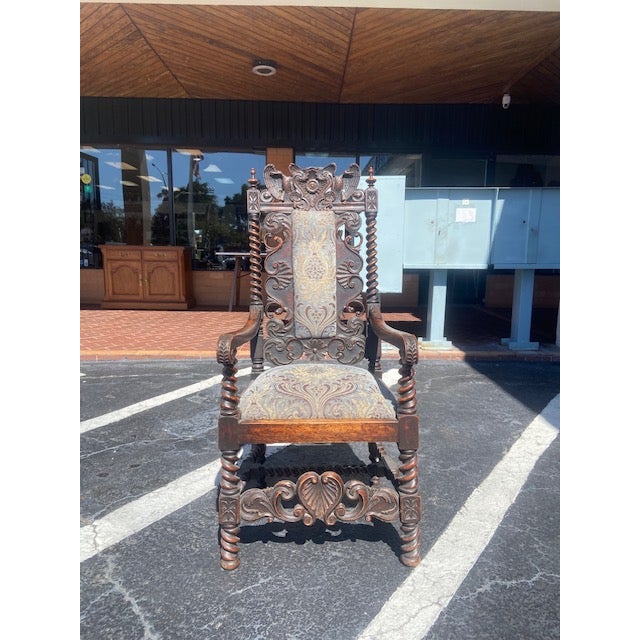
The 18th century was a period of immense cultural and artistic evolution. Furniture from this era often reflected the grandeur and elegance of the time. The 18th century was marked by the Baroque, Rococo, and Neoclassical styles, each contributing unique design elements to furniture making. Chairs, in particular, served as both functional items and symbols of status, with intricate carvings and luxurious materials.
Artistic Features
Eagle Carvings
Eagle carvings were a popular decorative motif during the 18th century, symbolizing strength, courage, and freedom. These majestic birds often appeared in furniture design, especially in prominent pieces like chairs, where they could be prominently displayed. The eagle, with its powerful wings and sharp features, was meticulously carved by skilled artisans, showcasing their craftsmanship and attention to detail.
Design and Materials
The chairs from this period often featured:
Rich woods: Such as mahogany or walnut, prized for their durability and beauty.
Intricate carvings: Beyond eagles, other motifs included acanthus leaves, shells, and floral patterns.
Elegant upholstery: Materials like silk or velvet added a touch of luxury and comfort.
Curved lines: Rococo influences brought about elaborate curves and fluid shapes.
Significance
Symbolism and Status
Owning a pair of 18th-century eagle carved chairs would have been a statement of wealth and taste. These pieces were not only functional but also served as a showcase of the owner’s sophistication and appreciation for fine art. The eagle motif, in particular, resonated with contemporary political and cultural sentiments, often embodying ideals of power and nobility.
Craftsmanship
The craftsmanship involved in creating these chairs was nothing short of extraordinary. Artisans dedicated countless hours to carving intricate details, ensuring that each piece was not only beautiful but also structurally sound. This level of craftsmanship has allowed many such chairs to survive the test of time, becoming treasured antiques.
See less
- Dimensions
- 22ʺW × 24ʺD × 47ʺH
- Styles
- French
- Seat Interior Width
- 18.0 in
- Seat Height
- 18.0 in
- Arm Height
- 27.0 in
- Seat Interior Depth
- 19.0 in
- Number of Seats
- 2
- Period
- Late 18th Century
- Country of Origin
- France
- Item Type
- Vintage, Antique or Pre-owned
- Materials
- Wood
- Condition
- Good Condition, Original Condition Unaltered, Some Imperfections
- Color
- Brown
- Condition Notes
- Excellent Condition!!!!!! Excellent Condition!!!!!! less
Questions about the item?
Returns & Cancellations
Return Policy - All sales are final 48 hours after delivery, unless otherwise specified in the description of the product.
Cancellation Policy - Prior to shipping or local pickup, buyers may cancel an order for up to 48 hours, unless otherwise specified.
Related Collections
- Black Lacquer Dining Chairs
- Christian Linneberg Dining Chairs
- Abaca Dining Chairs
- Wittmann Dining Chairs
- Cork Dining Chairs
- Bevan Funnell Ltd. Dining Chairs
- Harold Schwartz Dining Chairs
- Tommy Bahama Dining Chairs
- Dining Chairs in Santa Fe
- Charles Limbert Dining Chairs
- Joe and Linda Ricchio Dining Chairs
- Aesthetic Movement Dining Chairs
- Aksel Bender Madsen Dining Chairs
- Christopher Guy Dining Chairs
- Orange Velvet Dining Chairs
- Acacia Wood Dining Chairs
- Statesville Chair Company Dining Chairs
- Otto Wagner Dining Chairs
- Henredon Dining Chairs
- McGuire Dining Chairs
- Burlwood Dining Chairs
- Thomasville Dining Chairs
- Drexel Dining Chairs
- Chippendale Dining Chairs
- Duncan Phyfe Dining Chairs