



Details
Description
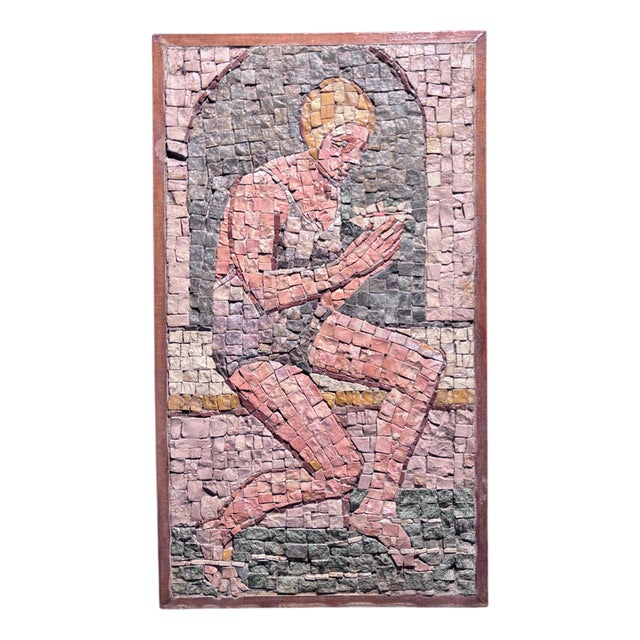
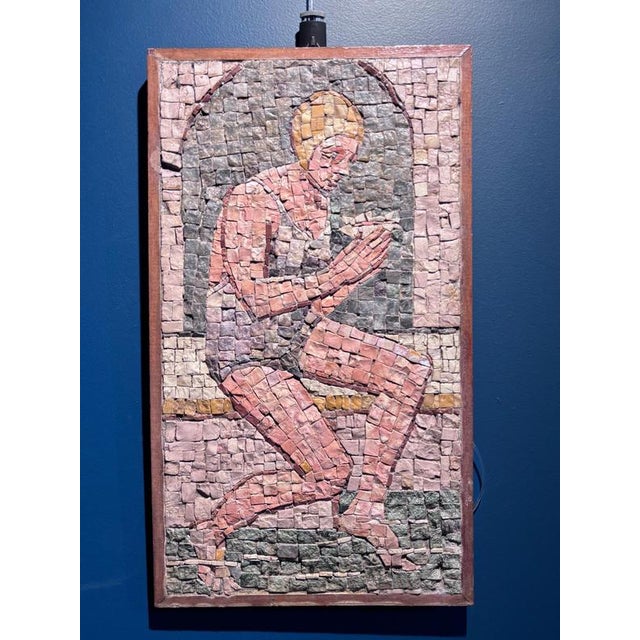
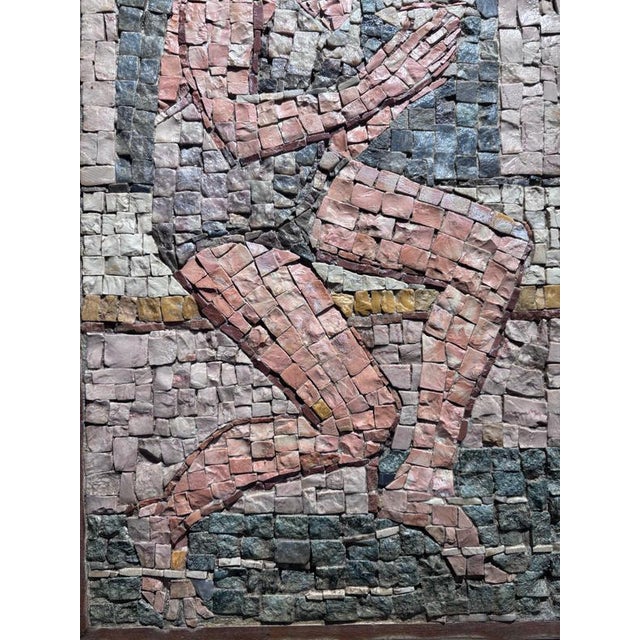
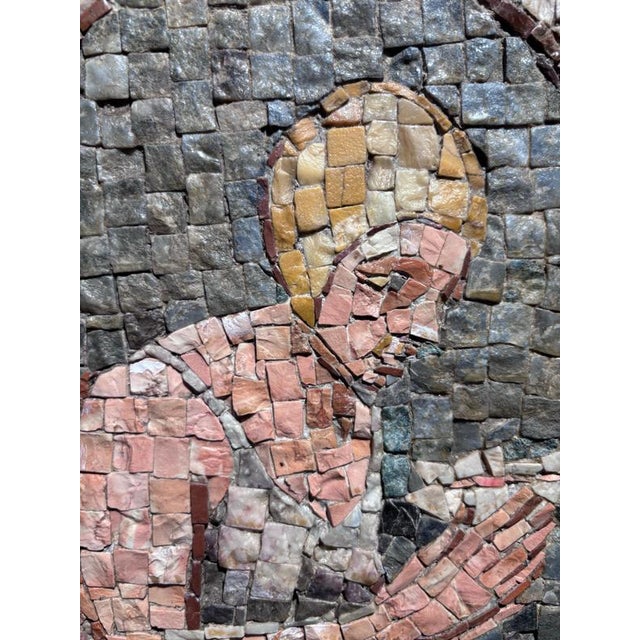
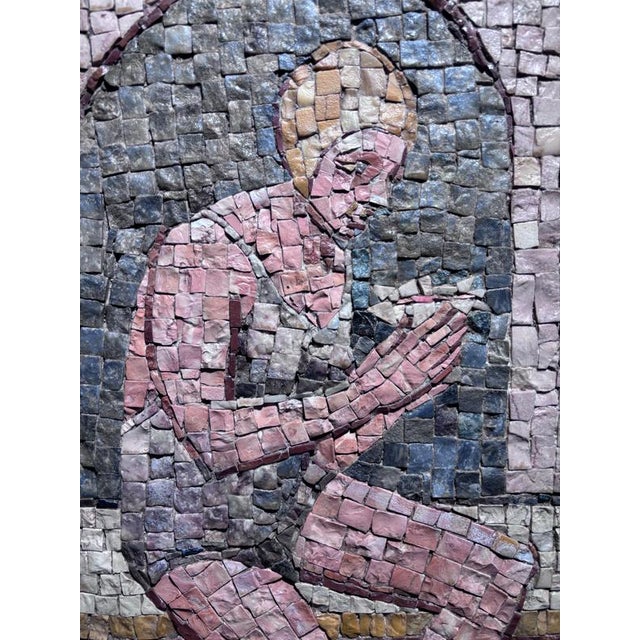
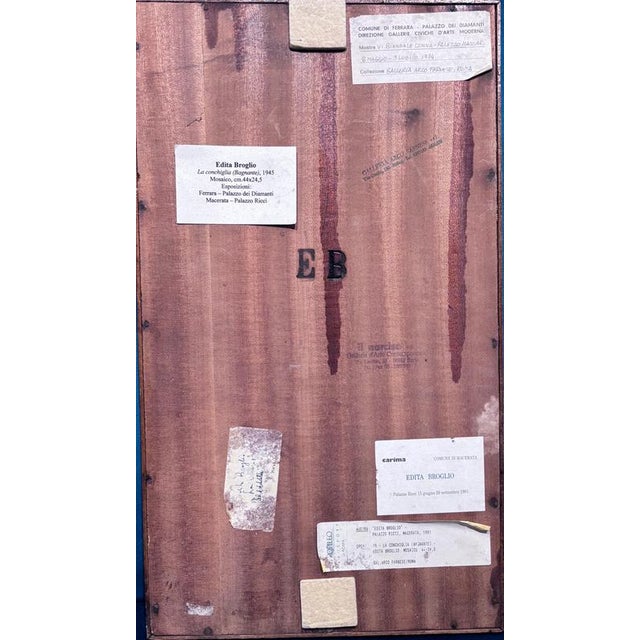
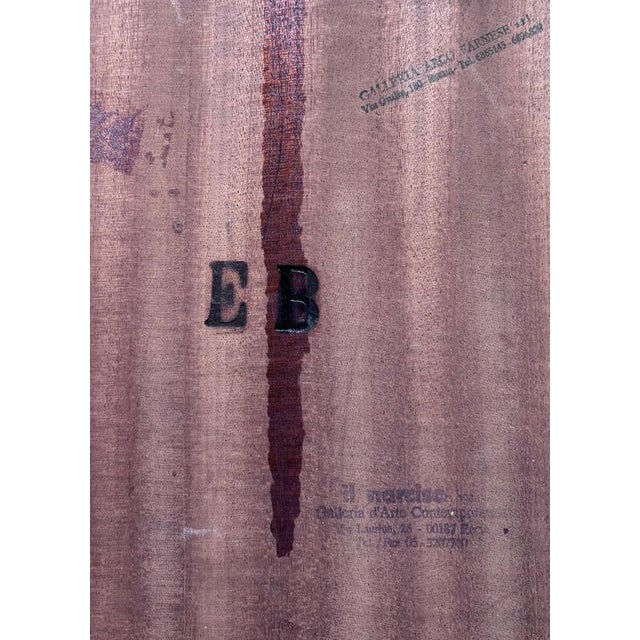
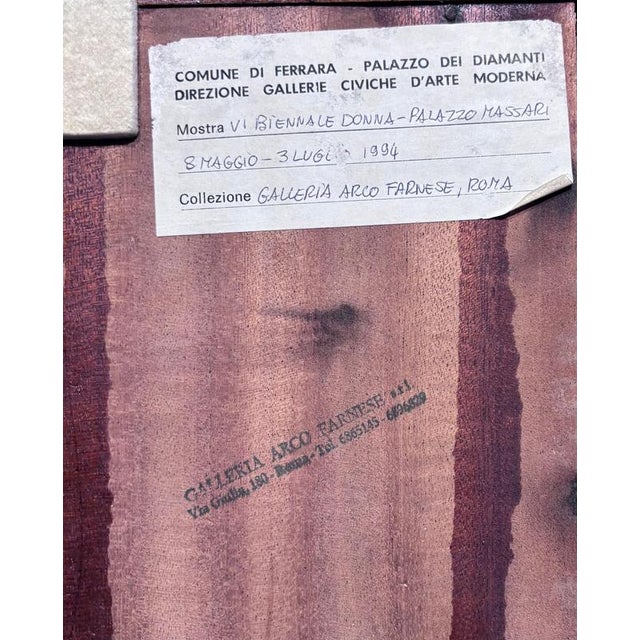
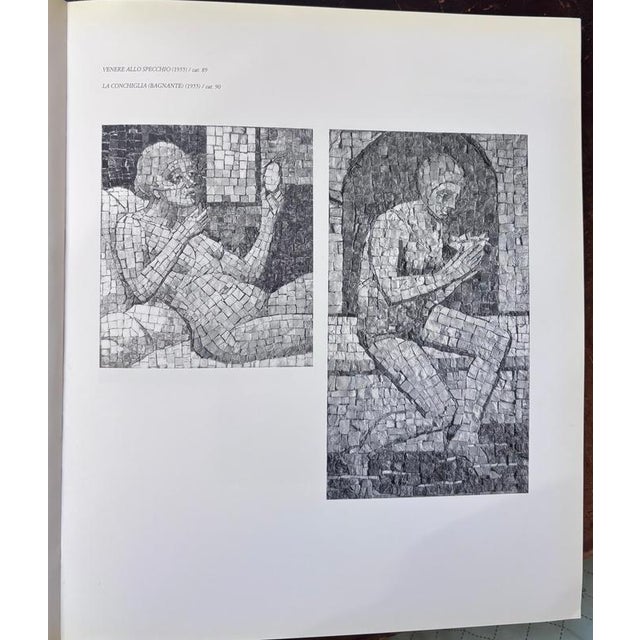
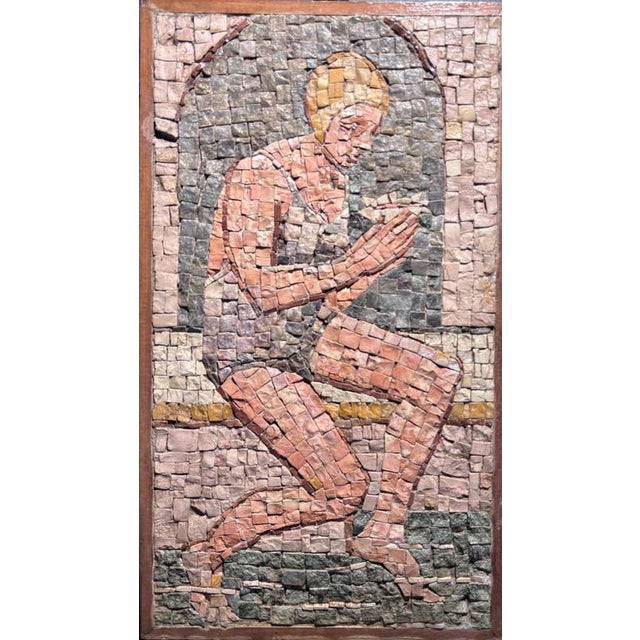
Edita Broglio 1886-1977 Mosaic, exhibited in numerous exhibitions 1991- Palazzo Ricci Macerata 1994- Palazzo dei Diamanti Ferrara 1994 Galleria Arco …
Read more
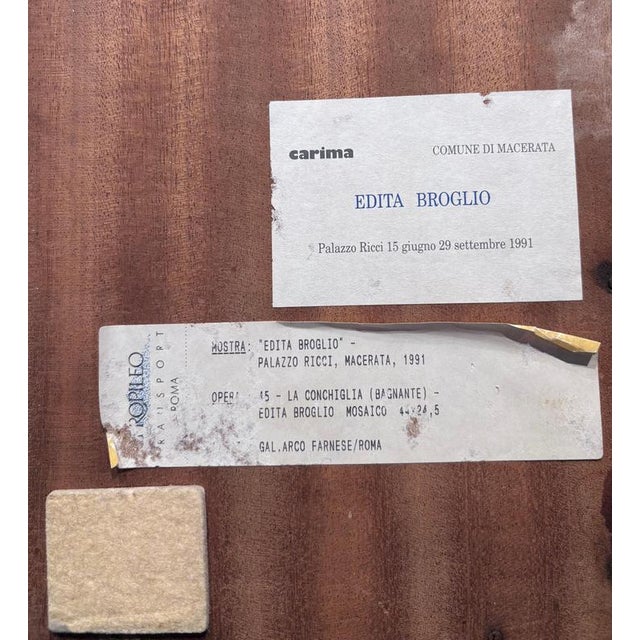
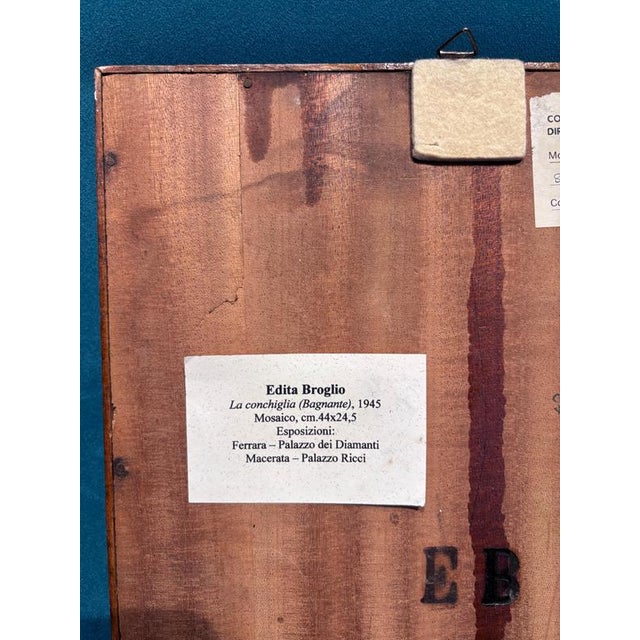
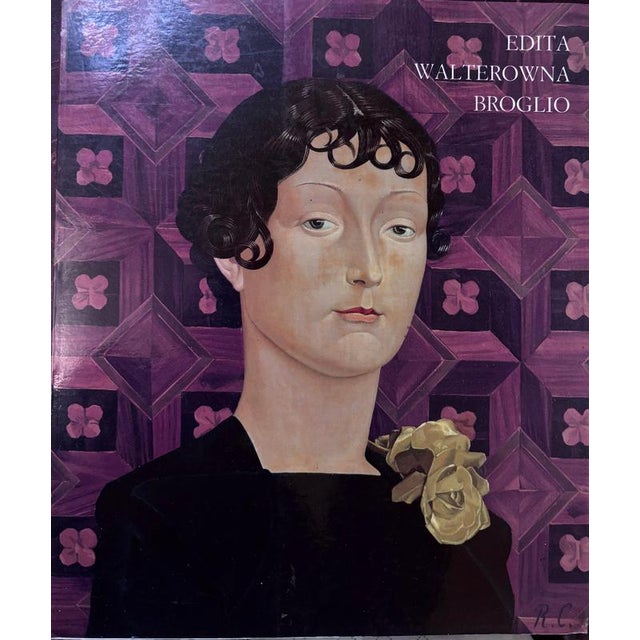
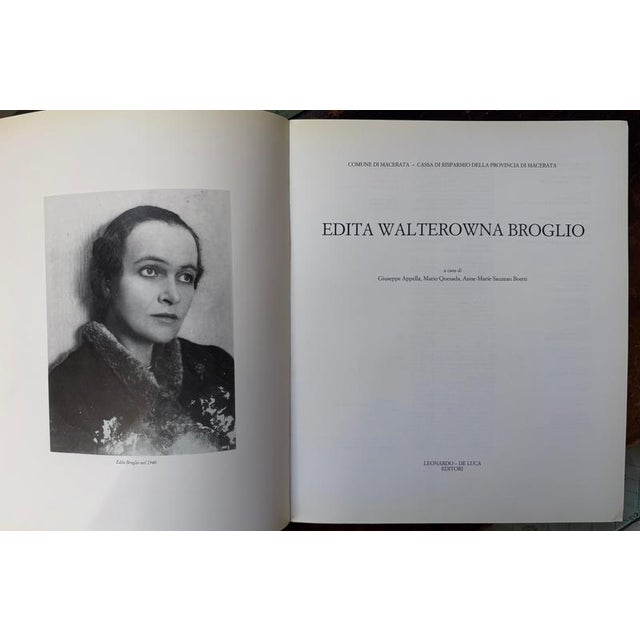
Edita Broglio 1886-1977 Mosaic, exhibited in numerous exhibitions 1991- Palazzo Ricci Macerata 1994- Palazzo dei Diamanti Ferrara 1994 Galleria Arco Farnese -Rome Published in the artist's catalogue raisonné. She comes from a noble Baltic family (her father Walter was a landowner, descended from the Knights of the Teutonic Order, her mother Blanchine Sivers belonged to a family of French merchants who settled in Riga), she was born in Smiltene in eastern Latvia which was then called Livonia and together with Courland (western Latvia) was a province of the Russian Empire. At the beginning of the 20th century Edita showed sympathy for the Russian revolutionary movement and, driven by humanitarian feelings, at the age of eighteen she served as a Red Cross nurse in Riga; after the 1905 revolution, to save her father, she fled with him to Könisberg. When the political situation calmed and her father returned to Livonia, in 1908 the twenty-two-year-old Edita chose to remain in Könisberg, Kant's city, where she studied at the Academy of Fine Arts until 1910. from 1910 she settled in Paris, frequenting artists' studios and realizing her dream of living in the capital of art. In 1911 she came to Italy for the first time, staying briefly in Florence and Rome, perhaps attracted by the Universal Exhibition organized for the fiftieth anniversary of Italian unification. In 1912 she settled permanently in Rome: she lived initially at the Albergo Internazionale on Via Sistina and painted in a rented studio at Via Flaminia 122, near Piazza del Popolo and a short walk from Villa Strohl-Fern, a unique concentration of avant-garde artists' studios. It was then that she began what she herself calls her "incandescent" and "visionary" period; Savinio writes: “she felt dazzled by the golden sumptuousness of the environment, so that the works of this period appear as the fruits of an almost somnambulistic state of intoxication.” In Rome, she came into contact with Olga Resnevič Signorelli, who introduced her to her international salon, frequented by Roberto Melli, Armando Spadini, Ferruccio Ferrazzi, Angelo Zanelli (husband of the Latvian painter Elizaveta Kaehlbrandt), and the Yugoslavian sculptor Ivan Meštrović, who had achieved great success at the 1911 Universal Exhibition. Melli and Meštrović were very active in promoting the Roman Secession, and it was precisely at the First International Art Exhibition of the Secession in 1913 that Edita debuted with some works inspired by the light of Rome. In 1914, she exhibited at the Second International Art Exhibition of the Secession. At the outbreak of the First World War, her financial difficulties began: she left the hotel and went to live in the studio, then moved to Anticoli Corrado, the "artists' village" above the Aniene Valley, for the entire war years. She painted a series of works inspired by the barren landscape of the area, formally inspired by Cézanne. Looking for work, she approached Anton Giulio Bragaglia, who had an art gallery and photography shop on Via Condotti and was filming Thais, based on a screenplay by Enrico Prampolini, and preparing My Corpse and Perfidious Deception for the Novissima film company, whose studios were in Piazzale Flaminio. The audition (for the role of a thief) revealed to everyone the artist's innate acting ability. Mario Broglio, pale, very thin, and with a long neck, was present; he would become her partner in life and painting; they married in 1927. Alongside Broglio, Edita developed the artistic research and questions that would lead the couple to create the magazine "Valori Plastici." Edita played an important role in the magazine and even more so in its editorial activity; her works from the 1920s, published in "Valori Plastici," were linked to the advancement of theoretical reflection; her painting was rich with international influences, from the culture of the Russian avant-garde (especially Acmeism) to the Blaue Reiter and Primitivism. Later, she made a decisive shift by joining the "Magical Realism" movement. When Mario Broglio died on December 22, 1948, Edita spent her widowhood in San Michele di Moriano in the province of Lucca, reclaiming her expressive explorations. She remained at San Michele, a place of profound meditation and fruitful productivity, until 1955, when she moved to Rome, where she continued publishing Valori Plastici for a time. In 1974, at nearly ninety, she was persuaded to organize the Valori Plastici archives and collaborated with the poet and painter Georges de Canino. She died in Rome on January 19, 1977, the feast of San Mario, and is buried in the non-Catholic cemetery in Testaccio. This piece is attributed to the mentioned designer/maker. It has no attribution mark and no
official proof of authenticity,
however it is well documented in design history. I take full responsibility for any authenticity
issues arising from misattribution
See less
- Dimensions
- 10.24ʺW × 1.57ʺD × 17.72ʺH
- Art Subjects
- Nude
- Period
- 1940s
- Country of Origin
- Italy
- Item Type
- Vintage, Antique or Pre-owned
- Materials
- Stone
- Condition
- Good Condition, Original Condition Unaltered, Some Imperfections
- Color
Returns & Cancellations
Return Policy - All sales are final 48 hours after delivery, unless otherwise specified in the description of the product.
Cancellation Policy - Prior to shipping or local pickup, buyers may cancel an order for up to 48 hours, unless otherwise specified.
Related Collections
- Soicher Marin Original Prints
- Rattan Original Prints
- Medium-Density Fibreboard Original Prints
- Silver Finish Original Prints
- Robert Kipniss Original Prints
- Dye Transfer Original Prints
- Original Prints in Salt Lake City
- Original Prints in Lexington, KY
- Original Prints in Panama City, FL
- Ralph Lauren Original Prints
- Damien Hirst Original Prints
- Sam Francis Original Prints
- Johannes Kip Original Prints
- Botanical Prints
- Framed Prints
- Bird Prints
- Woodblock Prints
- Screen Prints
- Japanese Woodblock Prints
- Thomas McKnight Original Prints
- George Barbier Original Prints
- Frank Stella Original Prints
- Gustave Baumann Original Prints
- Teak Original Prints
- Chaim Gross Original Prints