


Details
Description
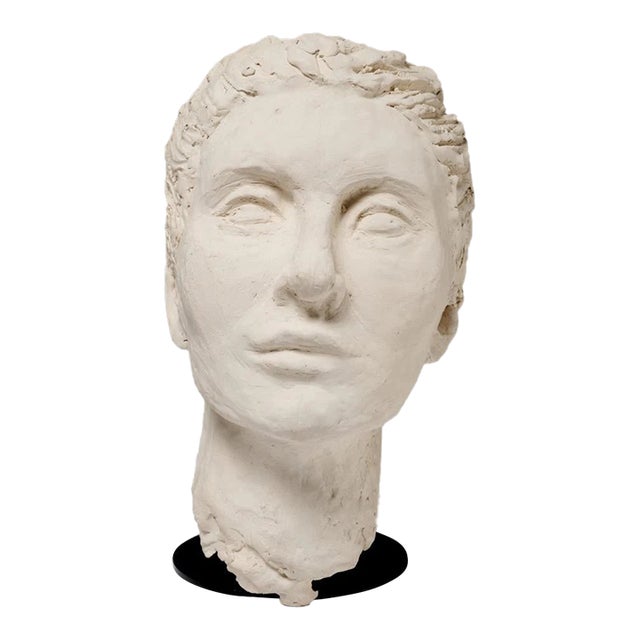
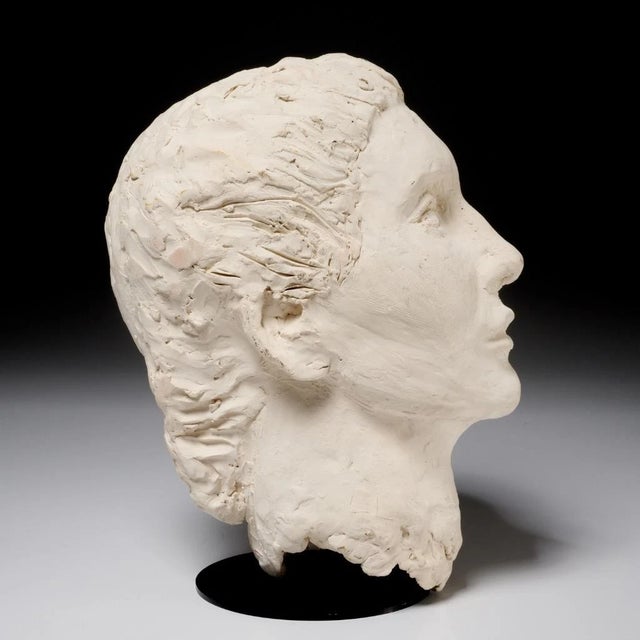
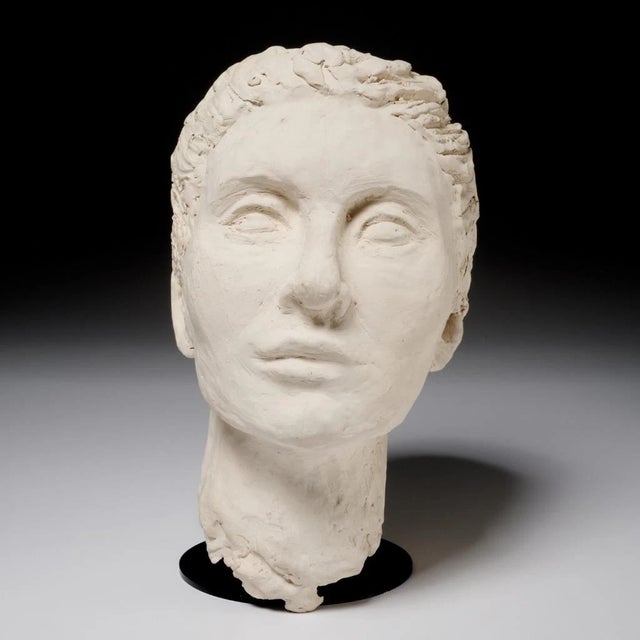
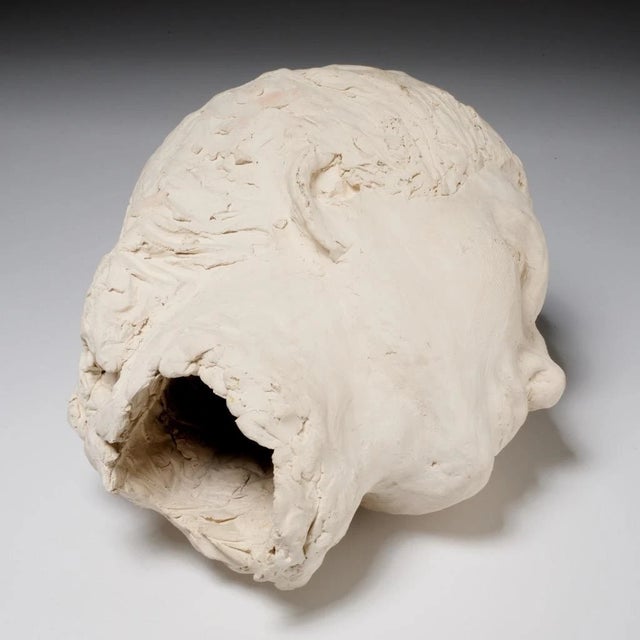
French Mid-Century Bisque Stoneware Life-Size Head Sculpture
Bisque Fired Stoneware, Circa 1950s-1960s
Discovered on a recent buying trip to Paris, …
Read more
French Mid-Century Bisque Stoneware Life-Size Head Sculpture
Bisque Fired Stoneware, Circa 1950s-1960s
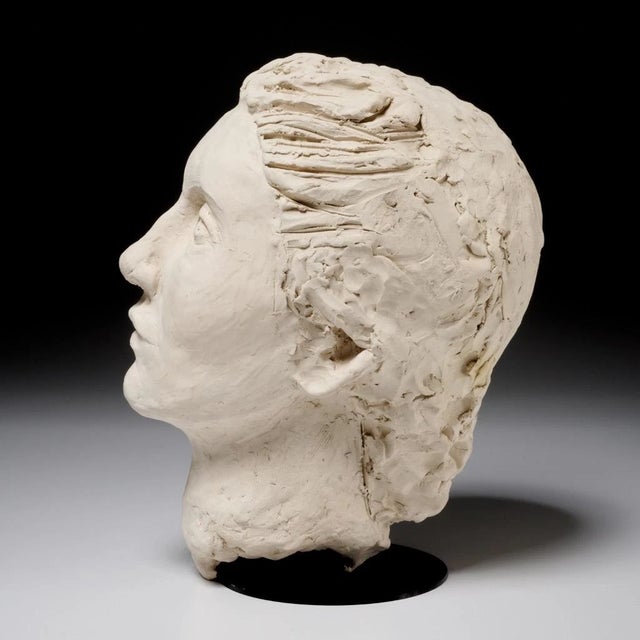
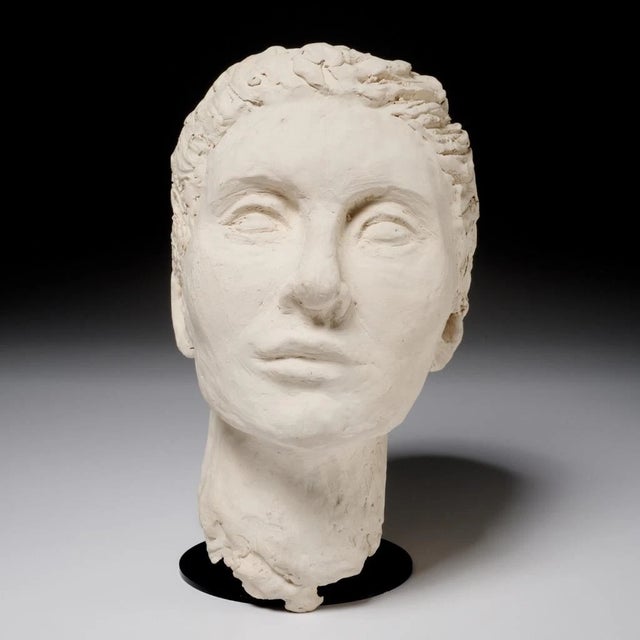
Discovered on a recent buying trip to Paris, this extraordinary life-size head sculpture embodies the zenith of French mid-century ceramic artistry. Executed in bisque-fired stoneware, this piece represents the sophisticated sculptural movement that transformed French ateliers into epicenters of avant-garde ceramic expression during the post-war decades.
The unglazed, matte surface reveals the raw authenticity of the stoneware, creating an almost archaeological presence that bridges ancient sculptural traditions with modernist sensibilities. Its life-size proportions command attention and create an intimate, almost confrontational dialogue with the viewer.
Provenance: Sourced directly from Paris during our latest European antiquing expedition, where we discovered this remarkable piece in a collection of mid-century ceramics. The sculpture carries the unmistakable aesthetic of French atelier work from the golden age of European ceramic arts.
Historical Context: French Sculptural Ceramics
The mid-20th century witnessed an extraordinary renaissance in French ceramic sculpture, as artists liberated clay from its utilitarian constraints and elevated it to fine art status. In the aftermath of World War II, France became a crucible of ceramic innovation, with ateliers in Paris, Vallauris, and throughout Provence producing groundbreaking sculptural works.
This movement was championed by luminaries such as Pablo Picasso, who revolutionized ceramic sculpture in Vallauris, and Jean Cocteau, whose ceramic works blurred the boundaries between pottery and pure sculpture. French ceramists like Georges Jouve, Roger Capron, and the Ruelland brothers created pieces that were simultaneously functional objects and sculptural statements, embracing organic forms, brutalist textures, and the honest beauty of raw clay. Measures 12' x8" aprox.
The preference for bisque firing—leaving stoneware unglazed—became a hallmark of French sculptural ceramics during this era. This technique emphasized the tactile, earthen quality of the material, celebrating imperfections and the artist's hand. Such pieces were collected by connoisseurs who appreciated their connection to ancient sculptural traditions while recognizing their radical modernity.
This head sculpture exemplifies these ideals: monumental in conception despite its intimate scale, raw in its material honesty, and timeless in its ability to command space and attention. It represents a moment when French ceramists were redefining sculpture itself, creating works that remain as compelling today as when they emerged from the kiln decades ago.
See less
Questions about the item?
Returns & Cancellations
Return Policy - All sales are final 48 hours after delivery, unless otherwise specified in the description of the product.
Cancellation Policy - Prior to shipping or local pickup, buyers may cancel an order for up to 48 hours, unless otherwise specified.
Related Collections
- Mathurin Moreau Sculpture
- Lime Sculpture
- Loredano Rosin Sculpture
- Oil-Rubbed Bronze Finish Sculpture
- Roman Bronze Works Sculpture
- Albert Ernest Carrier-Belleuse Sculpture
- Bakelite Sculpture
- Polycarbonate Sculpture
- Constantin Brancusi Sculpture
- Peter Shire Sculpture
- Chaim Gross Sculpture
- Boris Lovet-Lorski Sculpture
- Gourd Sculpture
- Recycled/Repurposed Sculpture
- Sculpture in Panama City, FL
- Straw Sculpture
- Maison Jansen Sculpture
- Georgian Sculpture
- Worlds Away Sculpture
- Far Pavilions Sculpture
- David Palombo Sculpture
- Fernando Botero Sculpture
- Photography Sculpture
- Austin Productions Sculpture
- Mid-Century Modern Sculpture