




Cheshire Antiques Consultant LTD
Chester, Cheshire West and Chester
Since 2021100+ sales
3x Super Seller

Details
Description
England’s Lost Heir: Henry Frederick, Prince of Wales in Ceremonial Armour with the Order of the Garter – After Isaac …
Read more
England’s Lost Heir: Henry Frederick, Prince of Wales in Ceremonial Armour with the Order of the Garter – After Isaac Oliver, c.1840
Subject & Medium
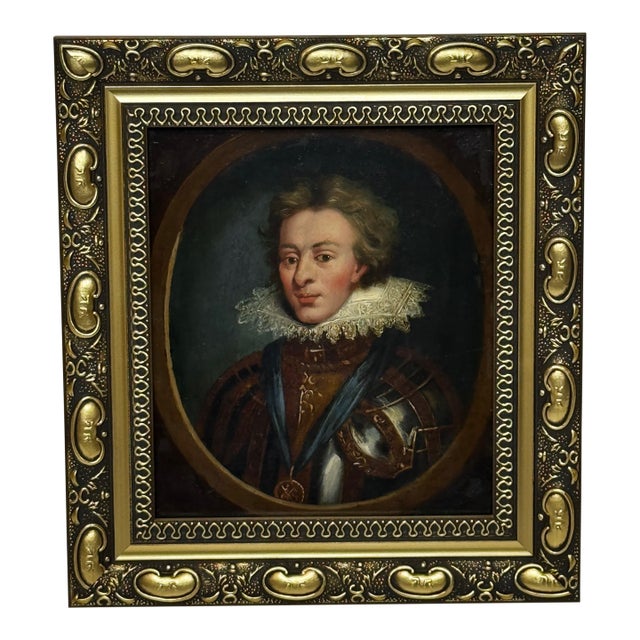
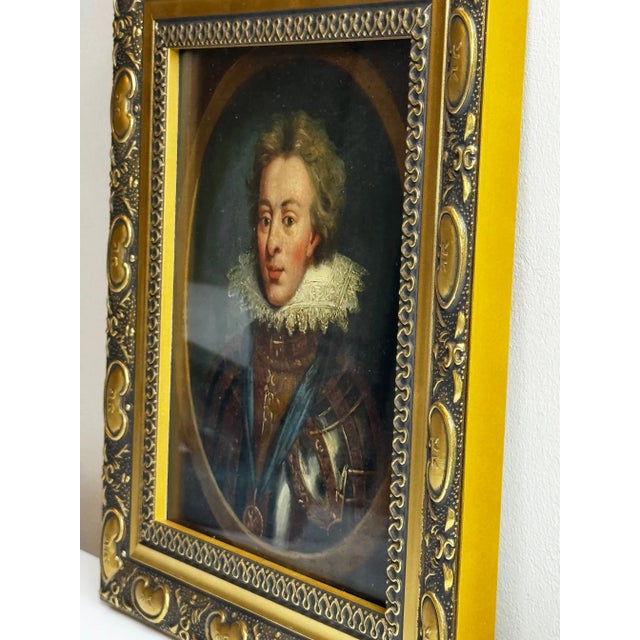
This finely executed British School portrait depicts Henry Frederick, Prince of Wales (1594–1612), eldest son of King James I, shown at the age of sixteen wearing ceremonial armour and the badge of the Order of the Garter. It commemorates a brilliant heir whose untimely death reshaped the Stuart succession and altered the course of English history.
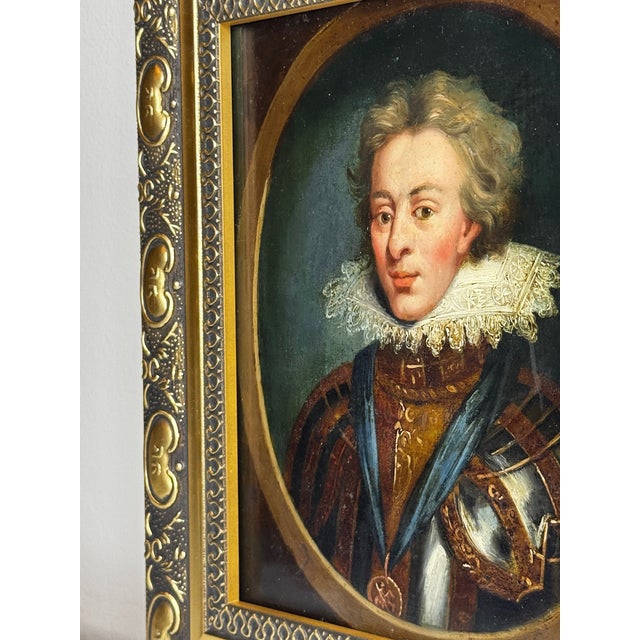
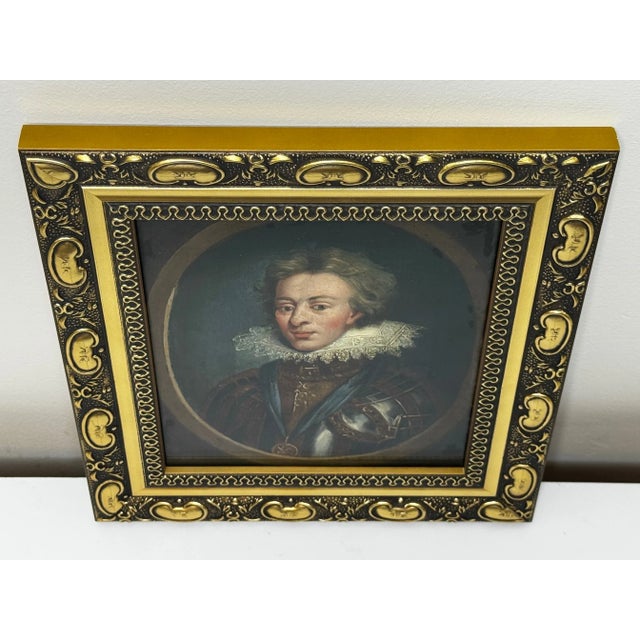
Painted in oil on a metal panel—a durable support widely used in the 19th century for historicist works—the piece is housed in a museum-quality gilt frame, chosen to enhance its regal subject.
Composition & Technique
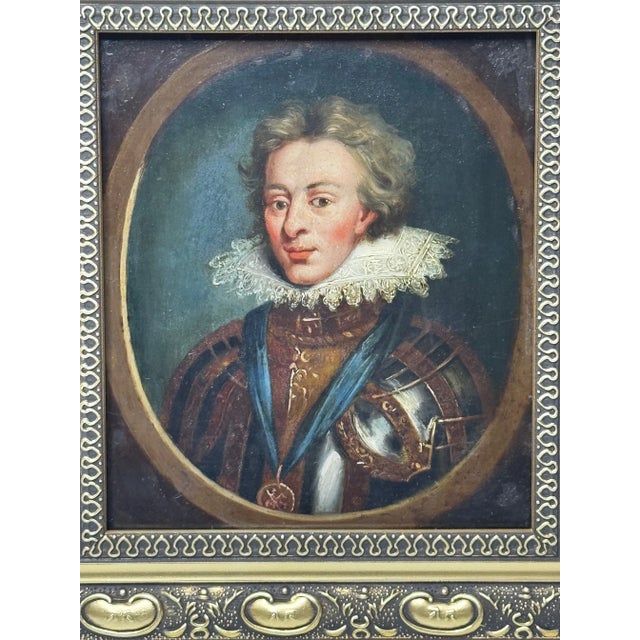
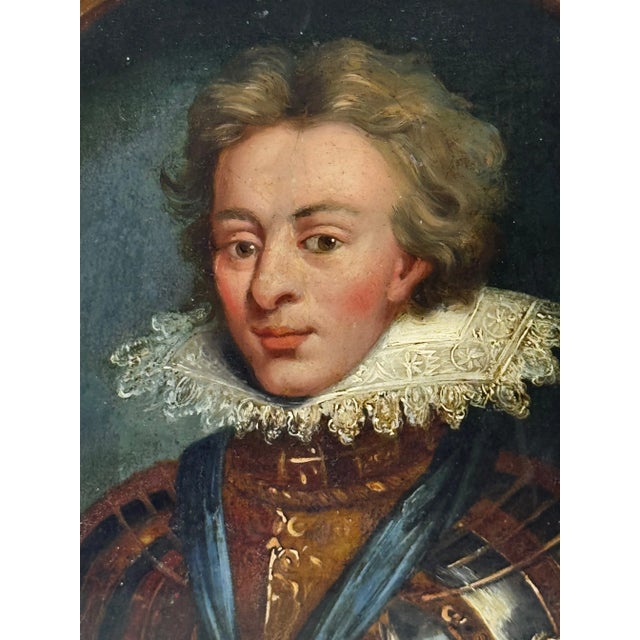
Based on Isaac Oliver’s celebrated likeness, the painting presents a three-quarter bust of the young prince against a subdued background, which emphasizes his presence and gravity.
Colour palette:
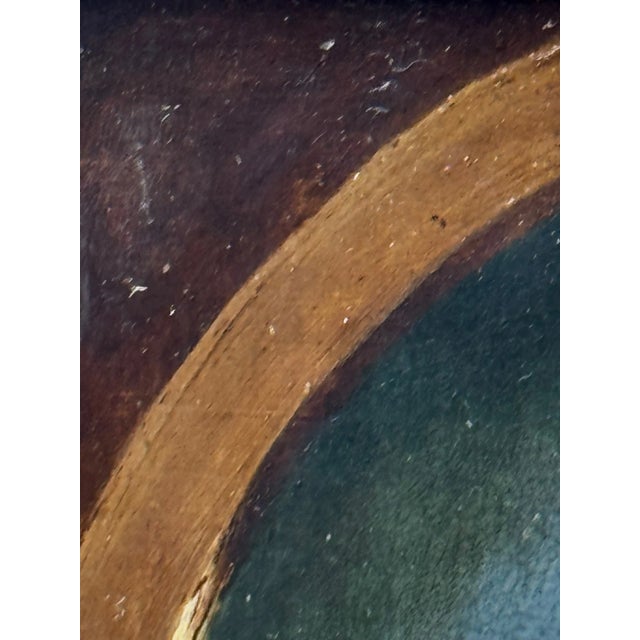
Deep blacks and browns in the background create a sober contrast.
The armour shimmers in cool silvery greys with gilt highlights, lending brilliance and authority.
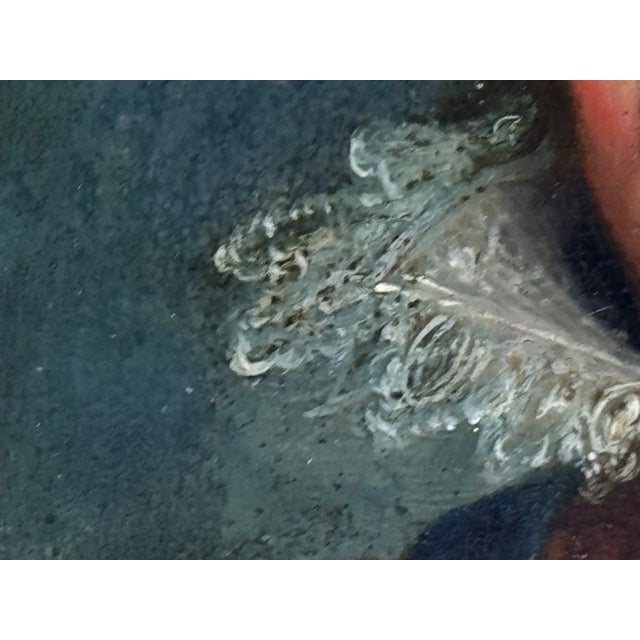
The lace ruff is rendered in crisp whites, delicately shaded to capture texture and depth.
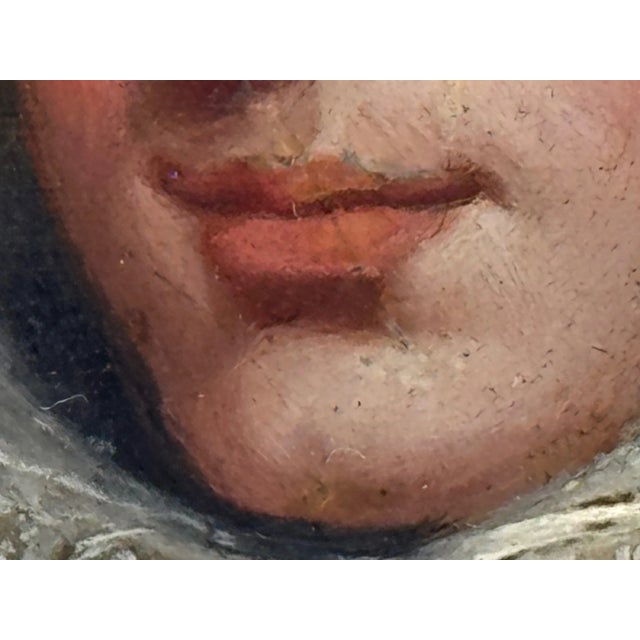
Warm, naturalistic flesh tones enliven the face with subtle pinks at the cheeks and lips.
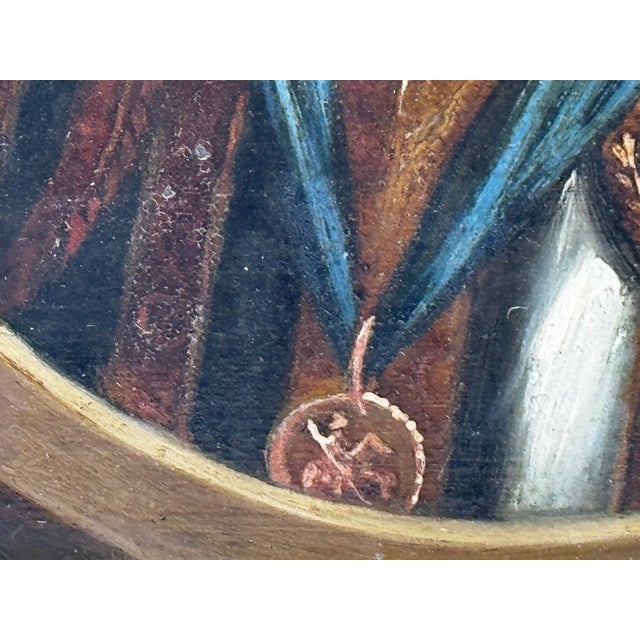
The Order of the Garter badge stands out in vivid blue, red, and gold, acting as a symbolic focal point.
The artist combines miniaturist precision in details such as the lace and insignia with broader modelling in the flesh and armour. The result is a portrait that blends historical fidelity with the Victorian revivalist style.
A Poignant Portrait of England’s Lost Prince
This 19th-century British School oil after Isaac Oliver portrays Henry Frederick, Prince of Wales, remembered as one of England’s most promising heirs. Widely admired for his intelligence, charm, and martial bearing, Henry embodied the hopes of a dynasty.
Shown here in armour with the insignia of the Order of the Garter, he represents both princely elegance and military ambition. Yet Henry’s life was cut short in 1612, when he died of fever at only eighteen. His death left the succession to his younger brother, Charles I—a change of fate that eventually led to civil war and regicide.
This portrait preserves the image of a prince who never reigned, standing as a reminder of what might have been.
About the Artist: British School, After Isaac Oliver (c.1565–1617)
Executed circa 1840, this unsigned British School work is inspired directly by Isaac Oliver’s portrait of Prince Henry. Oliver, born in Rouen and trained in England under Nicholas Hilliard, became one of the foremost portrait miniaturists of the Elizabethan and Jacobean courts, painting Elizabeth I, James I, Anne of Denmark, and Henry Frederick.
Such “after” portraits were popular among Victorian collectors, reflecting a fascination with Tudor and Stuart dynasties. Today they remain desirable as elegant and evocative tributes to historic figures.
Highlights
Rare subject: Prince Henry Frederick, the heir who never reigned
Exceptional detail in armour, lace ruff, and Garter insignia
Rich palette of silver, gold, blue, and white contrasted with a dark ground
Compact but impactful size: 27 × 24.5 × 2 cm framed
Presented in a premium museum-standard gilt frame with anti-reflective UV glass
Dimensions
Framed size: 27 cm high × 24.5 cm wide × 2 cm deep.
A portrait of modest scale, ideal for display in a study, library, or gallery wall.
Frame
Custom Larson-Juhl gilt moulding (Ref. 793246000)
AR70 museum glass for clarity and UV protection
A frame designed for both display impact and conservation
Provenance
Private collection
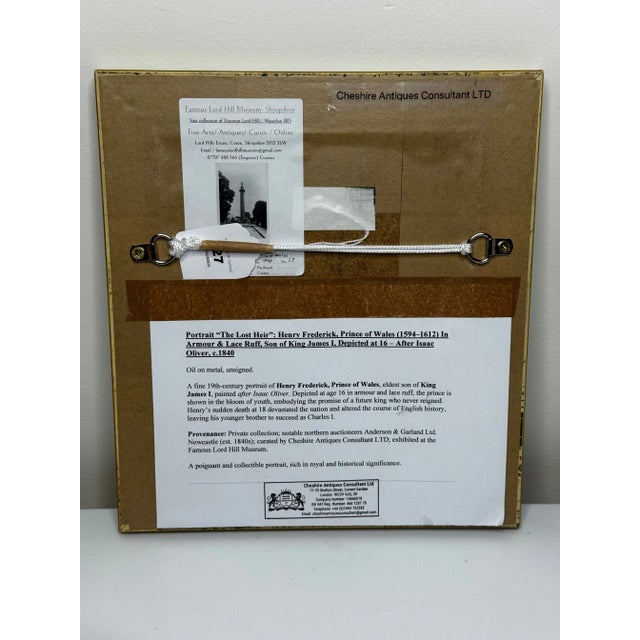
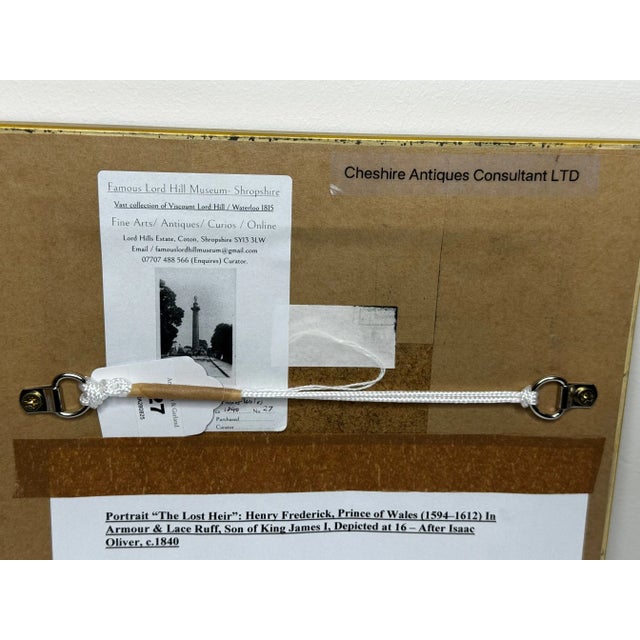
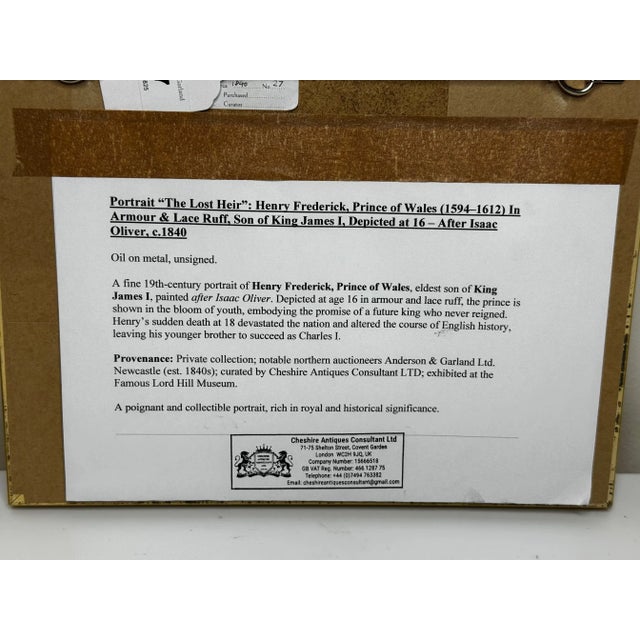
Sold through a long-established northern auction house in Newcastle (founded in the 1840s)
Curated by Cheshire Antiques Consultant LTD
Exhibited at the Famous Lord Hill Museum alongside other portraits of English history
Significance
This painting is more than decorative—it is a commemoration of one of England’s most poignant “what if” moments. A refined example of Victorian revivalist portraiture, it captures the promise of the Stuart heir who never reigned and the dynastic course he might have changed.
An exceptional opportunity for collectors of:
Royal portraiture
Stuart dynasty history
19th-century historicist art
See less
- Dimensions
- 9.64ʺW × 0.78ʺD × 10.62ʺH
- Styles
- Jacobean
- Portraiture
- Art Subjects
- Portrait
- Frame Type
- Framed
- Period
- Mid 19th Century
- Country of Origin
- United Kingdom
- Item Type
- Vintage, Antique or Pre-owned
- Materials
- Glass
- Metal
- Oil Paint
- Wood
- Condition
- Original Condition Unaltered, Needs Restoration
- Color
- Blue
- Condition Notes
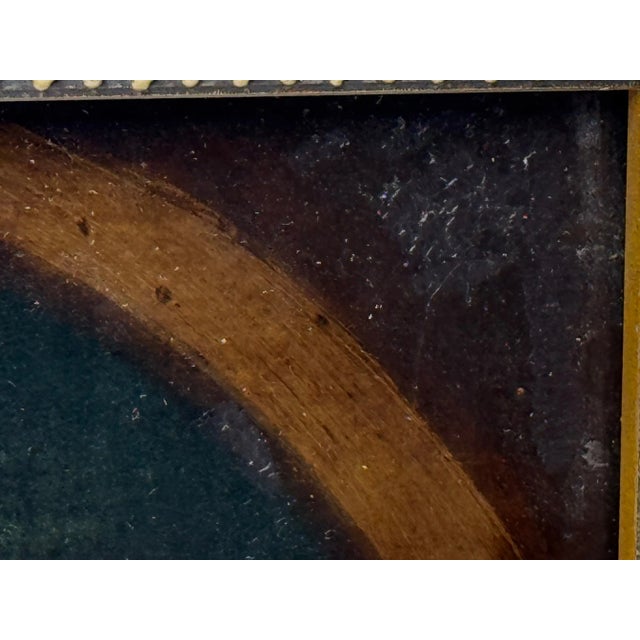
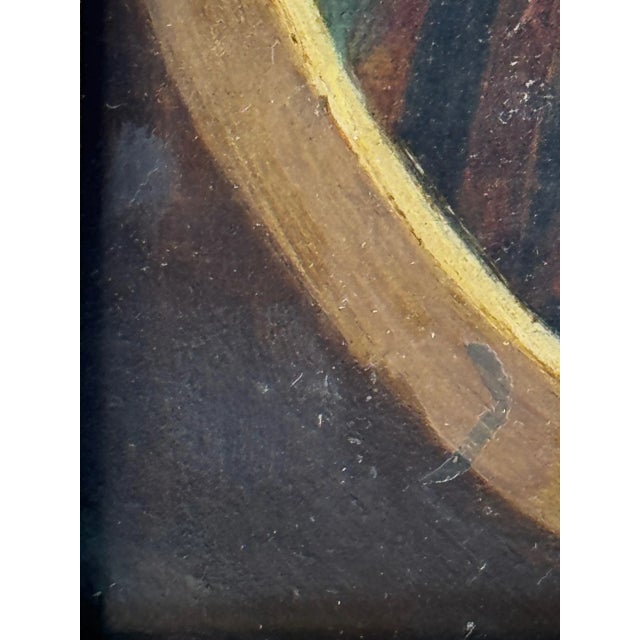
- Condition Report Surface: With craquelure & small paint losses with paint touch ups around the edges Varnish: Slightly yellowed, softening … moreCondition Report Surface: With craquelure & small paint losses with paint touch ups around the edges Varnish: Slightly yellowed, softening darker tones Abrasion: Wear in the background consistent with age Frame: Newly reframed to museum standards Overall: Stable and well-presented; professional cleaning could further enhance vibrancy less
Cheshire Antiques Consultant LTD
Chester, Cheshire West and Chester
Since 2021100+ sales
3x Super Seller
Questions about the item?
Returns & Cancellations
Return Policy - All sales are final 48 hours after delivery, unless otherwise specified in the description of the product.
Cancellation Policy - Prior to shipping or local pickup, buyers may cancel an order for up to 48 hours, unless otherwise specified.
Related Collections
- Photorealism Canvas Paintings
- Ed Ruscha Paintings
- Photorealism Paintings in New York
- Richard Serra Paintings
- Herman Miller Paintings
- BDDW Paintings
- Louise Nevelson Paintings
- Karen Offutt Paintings
- Jo Baskerville Paintings
- Nicola Simbari Paintings
- Carl-Axel Acking Paintings
- Joseph Stella Paintings
- Karl-Erik Ekselius Paintings
- James McCray Paintings
- Milton Avery Paintings
- Jaanika Peerna Paintings
- Photorealism Paintings in Los Angeles
- Leroy Neiman Paintings
- Cassina Paintings
- Black Photorealism Paintings
- Lawson-Fenning Paintings
- Vienna Secession Paintings
- Jean-Paul Barray Paintings
- Hans Andersen Paintings
- Johannes Andersen Paintings