

Details
Description
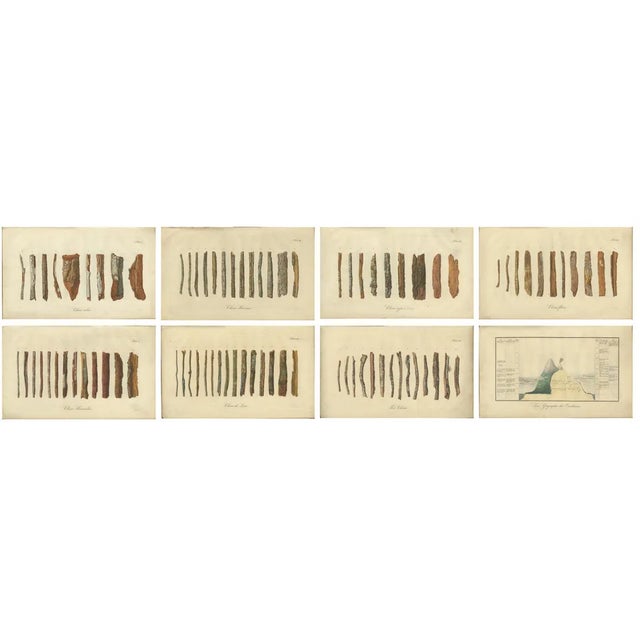
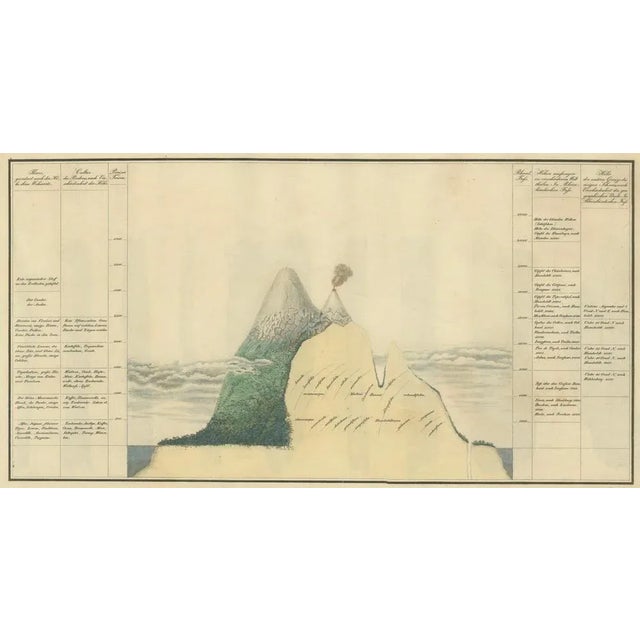
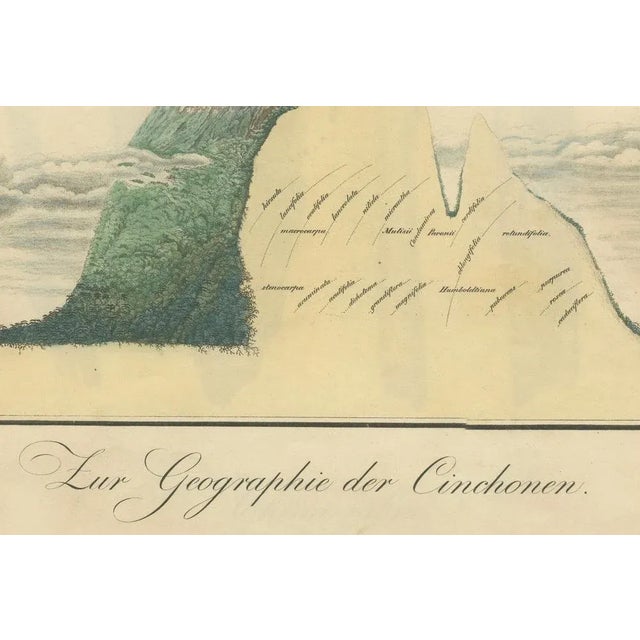
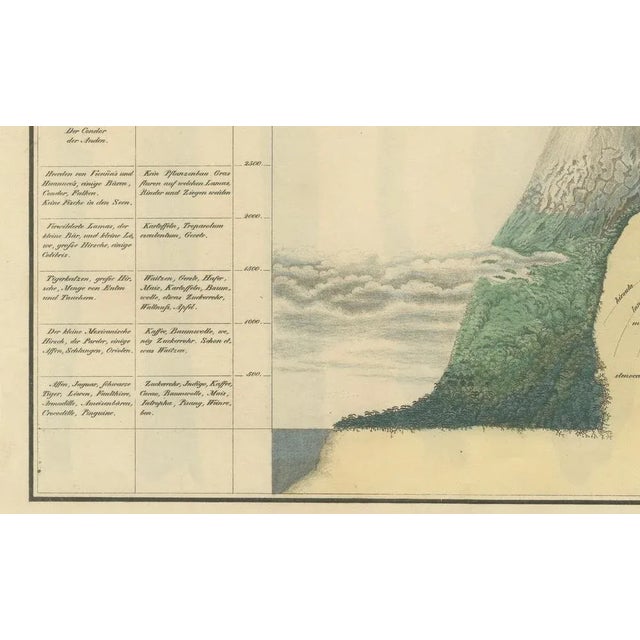
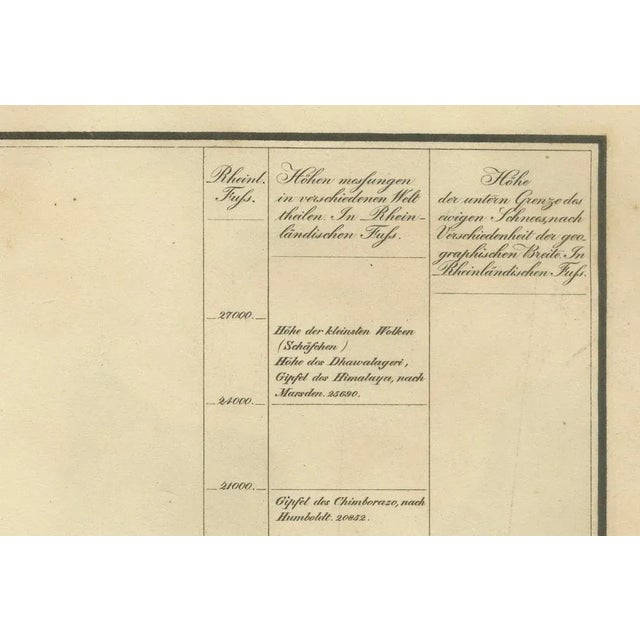
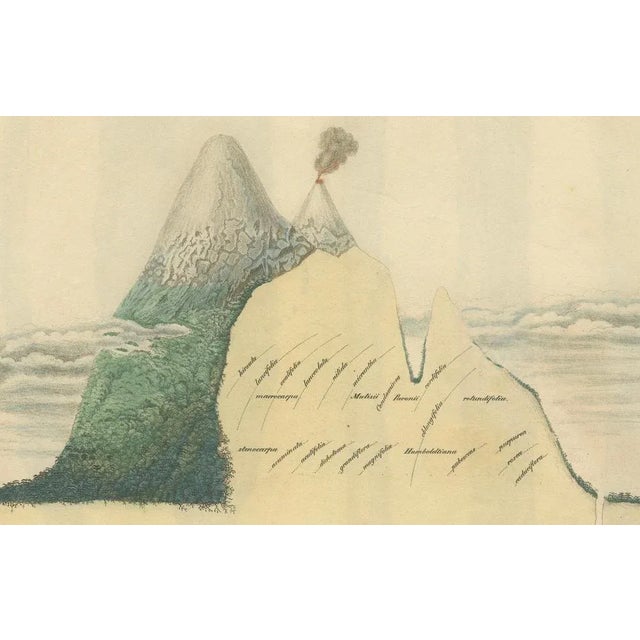
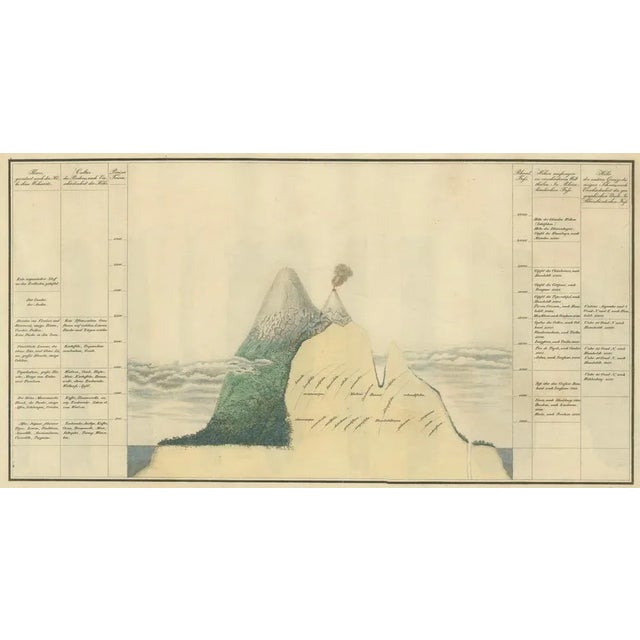
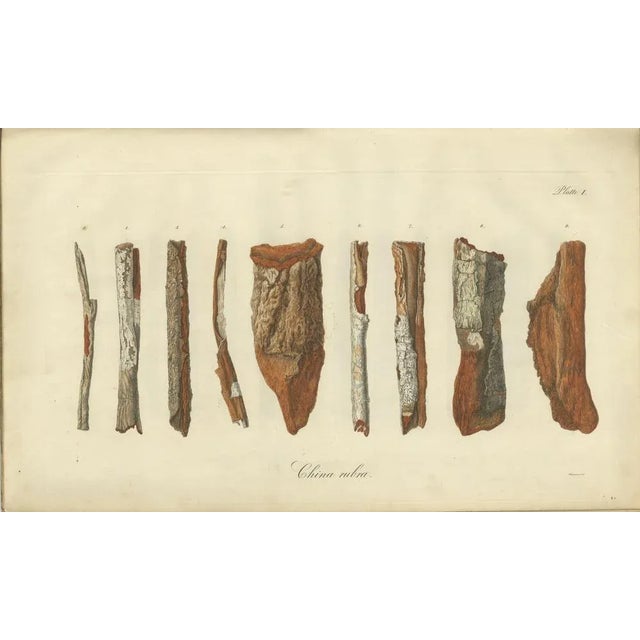
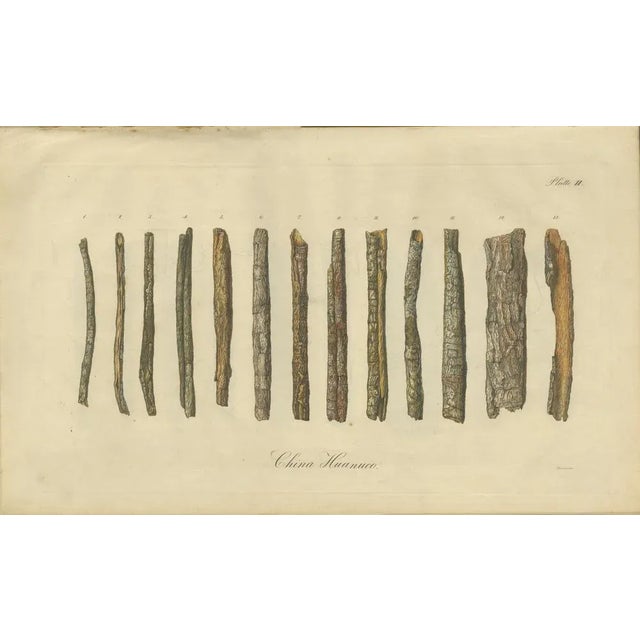
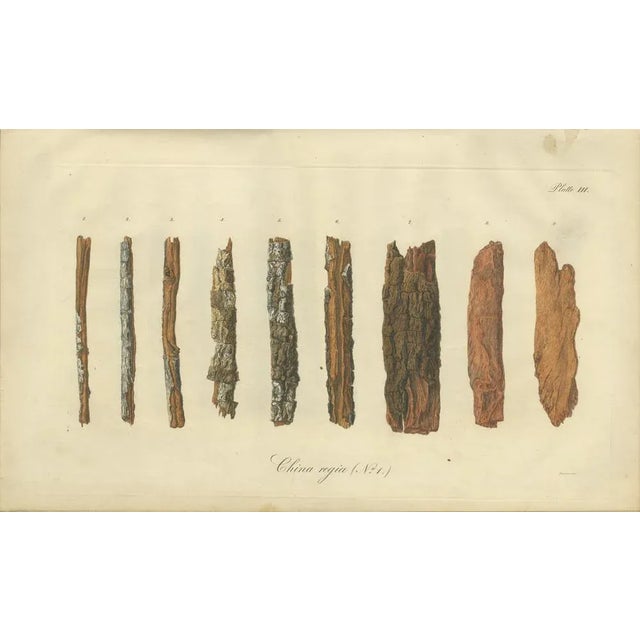
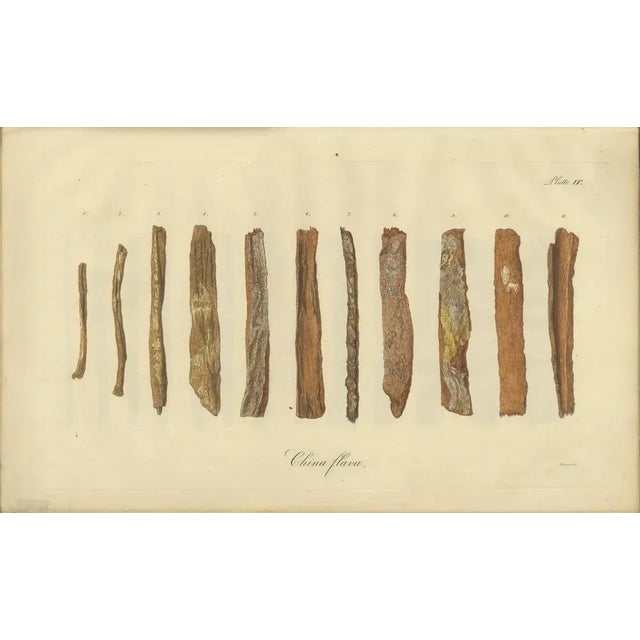
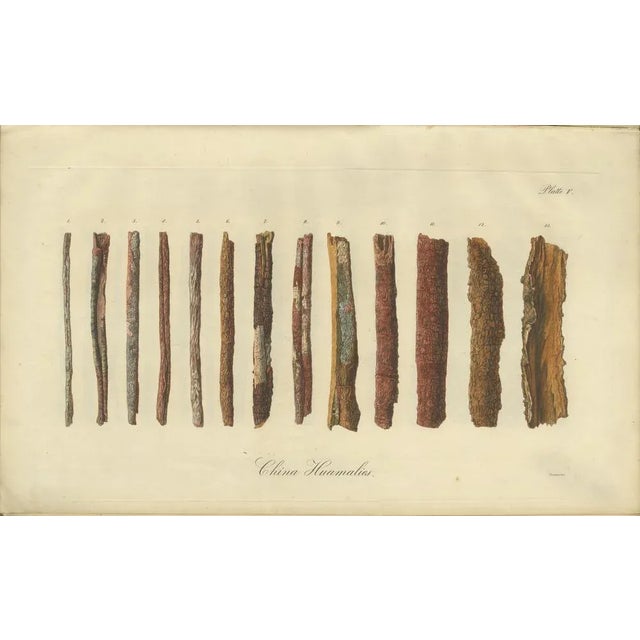
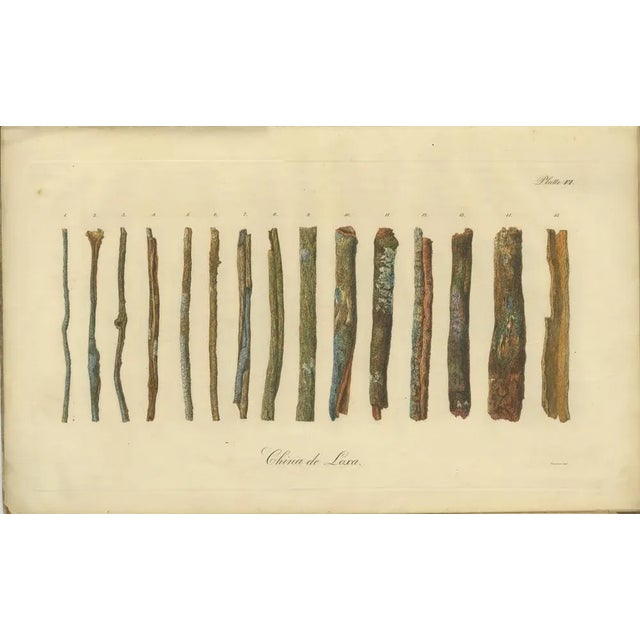
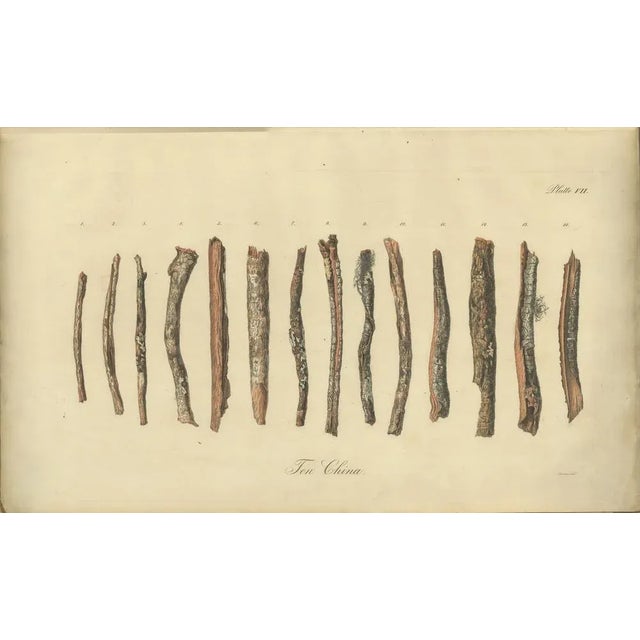
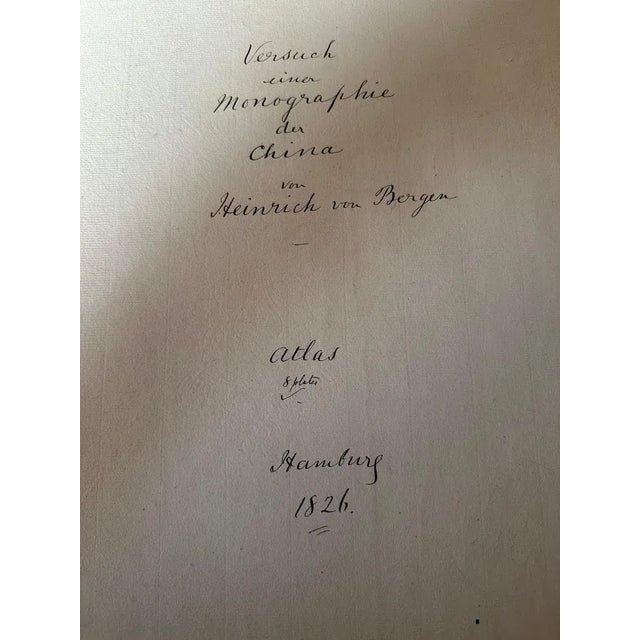
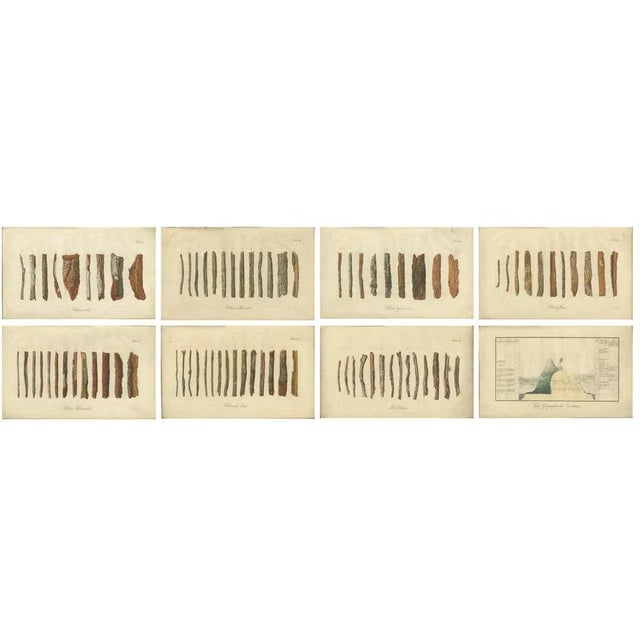
Title: Cinchona Bark Varieties: An Illustrated Botanical Atlas (1826)** : This rare and finely illustrated botanical atlas, 'Versuch einer Monographie … Read more Title: Cinchona Bark Varieties: An Illustrated Botanical Atlas (1826)** : This rare and finely illustrated botanical atlas, 'Versuch einer Monographie der China. Nur Atlas' (Hamburg: Hartwig & Müller, 1826), presents a remarkable visual documentation of various species of 'Cinchona', the medicinal tree whose bark was the historical source of quinine. The work consists solely of the atlas, featuring eight meticulously hand-colored copper engravings depicting different varieties of 'Cinchona' bark, each labeled with its respective name and numbering system. This atlas represents one of the earliest and most detailed visual studies of the bark that played a crucial role in treating malaria. The 'Cinchona' tree, native to South America—primarily Peru, Ecuador, and Colombia—was highly valued for its medicinal properties, and its bark became a vital commodity in European pharmaceutical trade. The illustrations in this work highlight the diverse textures, colors, and characteristics of the bark as it was harvested and prepared for medicinal use. Each plate presents different 'Cinchona' species, such as 'China rubra', 'China Huanuco', 'China regia', 'China flava', 'China Huamalies', and 'China de Loxa', with particular emphasis on their external and internal structures. The detailed botanical renderings capture the variations in thickness, surface roughness, and the distinct layers of bark, providing an invaluable reference for pharmacologists and botanists of the 19th century. The final plate, 'Zur Geographie der Cinchonen', is an exceptional illustration that maps the geographical distribution of 'Cinchona' trees in relation to altitude and climate. This topographical diagram, complete with annotations, places 'Cinchona' within the context of its natural environment, offering insights into the growing conditions necessary for its cultivation. This work is a significant contribution to early botanical and pharmaceutical literature, reflecting the intense European interest in medicinal plants during the 19th century. Although the text volume is missing from this copy, the surviving plates remain an extraordinary visual study of the world’s most famous medicinal bark. Condition notes include signs of wear, light browning, occasional foxing, and library stamps, but the hand-colored illustrations remain vivid and retain their scientific and artistic value. One page has a handwritten title and is possible from the author himself. The opposite page has been cut. This unique work serves as an essential reference for historians of medicine, botanical illustration enthusiasts, and collectors of early pharmacological literature. Condition Report Versuch einer Monographie der China. Nur Atlas. (Hamburg, Hartwig & Müller, 1826) General Condition: - Format: Large folio (Gr. Fol.) - Binding: Period half binding with a later cloth spine. - Cover Condition: Moderate wear, rubbing, and signs of handling. Boards show some surface wear and abrasions. - Spine: Later cloth spine in good structural condition, though not original. Plates & Illustrations: - Number of Plates: 8 hand-colored copper engravings, complete. - Paper Quality: Thick paper stock with good preservation of illustrations. - Condition of Plates: - Some general age-related toning and light browning. - Scattered foxing, mostly marginal, not affecting illustrations significantly. - A few minor stains, but the images remain vibrant and well-detailed. - No major tears, folds, or repairs detected. Text & Annotations: - Text Volume: Missing; this copy contains only the atlas. - Title Page: Not present in the atlas, as expected. - Marginalia: No handwritten notes or contemporary annotations detected. - Library Stamps: Present, but unobtrusive. Structural Integrity: - Binding Strength: Sound and intact. - Hinges: Holding well; no significant splitting. - Endpapers: Front free endpaper with a small cutout, possibly from previous ownership marking. Final Assessment: - Overall Rating: Good condition for its age, with minor wear and handling marks typical of 19th-century folios. - Significance: A rare and scientifically important botanical work, especially valuable for its detailed hand-colored plates. - Suitability for Collection: Highly desirable for collectors of historical botanical illustrations, pharmacological history, and early scientific atlases. See less
- Dimensions
- 12.2ʺW × 0.39ʺD × 20.08ʺH
- Period
- Early 19th Century
- Item Type
- Vintage, Antique or Pre-owned
- Materials
- Paper
- Condition
- Good Condition, Unknown, Some Imperfections
- Color
- Black
- Condition Notes
- Very Good — This vintage item has no defects, but it may show slight traces of use\. Atlas-only volume in … moreVery Good — This vintage item has no defects, but it may show slight traces of use\. Atlas-only volume in good condition. Binding with later cloth spine, some wear and rubbing. Plates complete with minor browning, scattered foxing and light stains. No major tears or repairs. Library stamps present but unobtrusive. Structurally sound. less
Returns & Cancellations
Return Policy - All sales are final 48 hours after delivery, unless otherwise specified in the description of the product.
Cancellation Policy - Prior to shipping or local pickup, buyers may cancel an order for up to 48 hours, unless otherwise specified.
Related Collections
- Le Corbusier Posters
- Posters in Savannah
- Posters in Naples, FL
- Ceramic Posters
- Baroque Posters
- Claes Oldenburg Posters
- Silk Posters
- Screen Print Posters
- Marc Chagall Posters
- Art Deco Posters
- Mid-Century Modern Posters
- Mark Rothko Posters
- Pablo Picasso Posters
- Posters in Los Angeles
- French Posters
- Milton Avery Posters
- Peter Max Posters
- Museum Posters
- Lee Krasner Posters
- Japanese Posters
- Polish Posters
- Keith Haring Posters
- Framed Posters
- Woodcut Posters
- Posters in Orlando