

Cheshire Antiques Consultant LTD
Chester, Cheshire West and Chester
Since 2021100+ sales
3x Super Seller

Details
Description
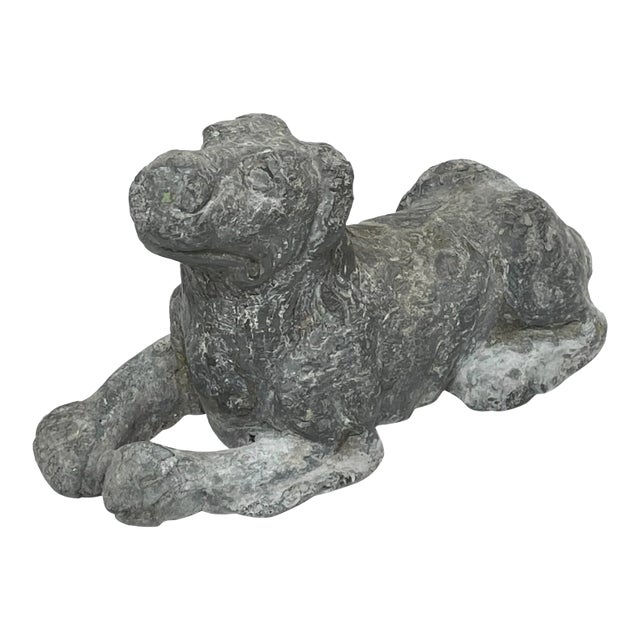
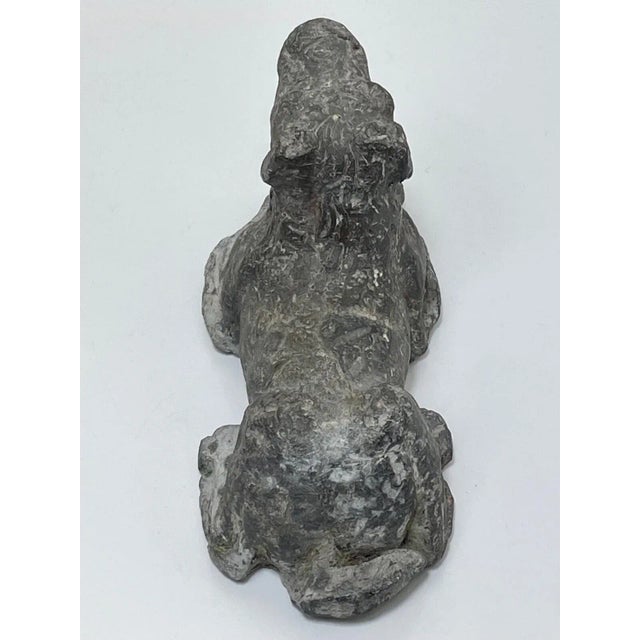
Rare Early Georgian Lead Hound Sculpture – C.1760 Architectural Garden Ornament In The Manner of John Cheere.
A Collector’s Treasure
…
Read more
Rare Early Georgian Lead Hound Sculpture – C.1760 Architectural Garden Ornament In The Manner of John Cheere.
A Collector’s Treasure
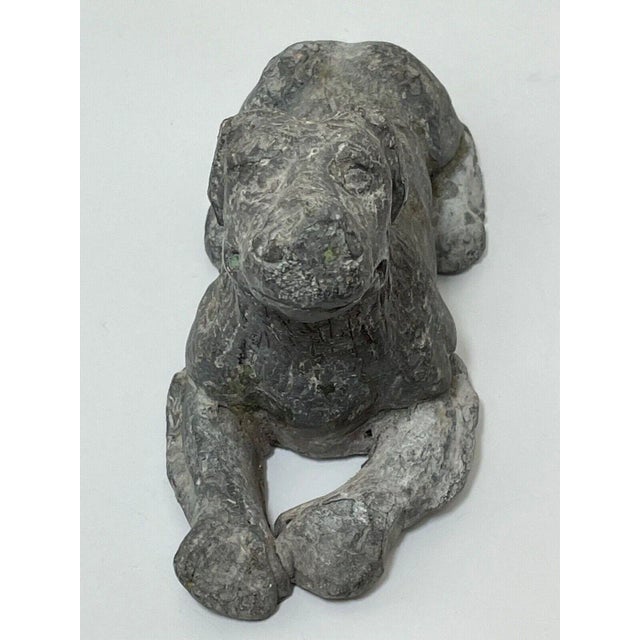
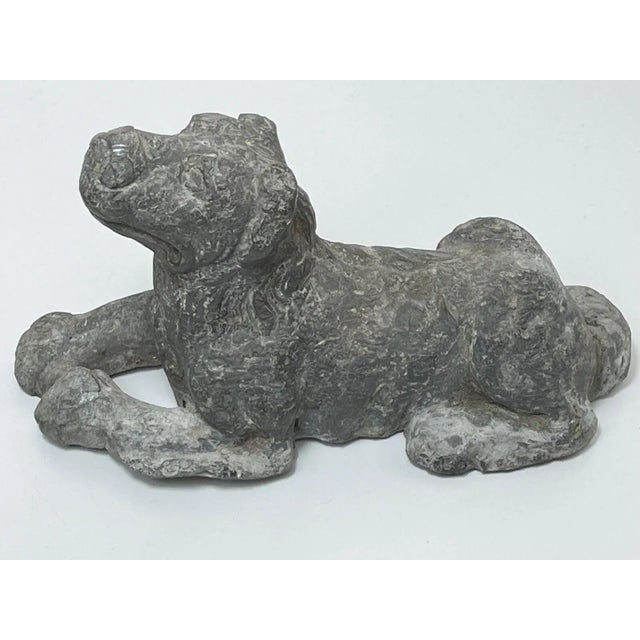
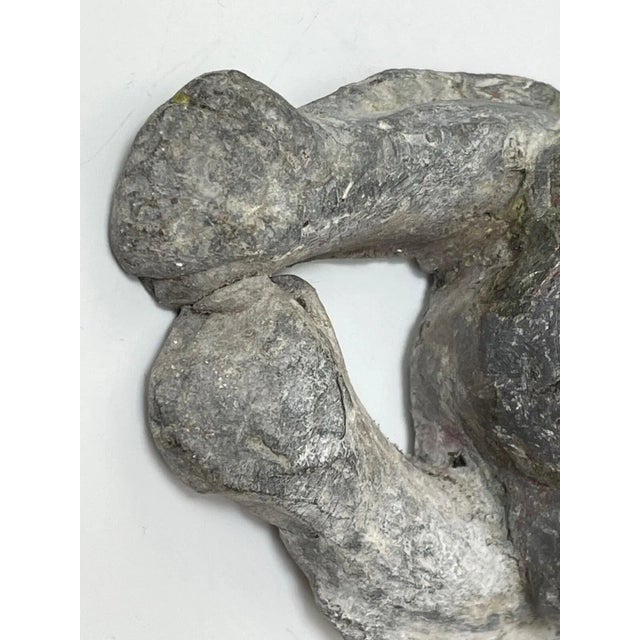
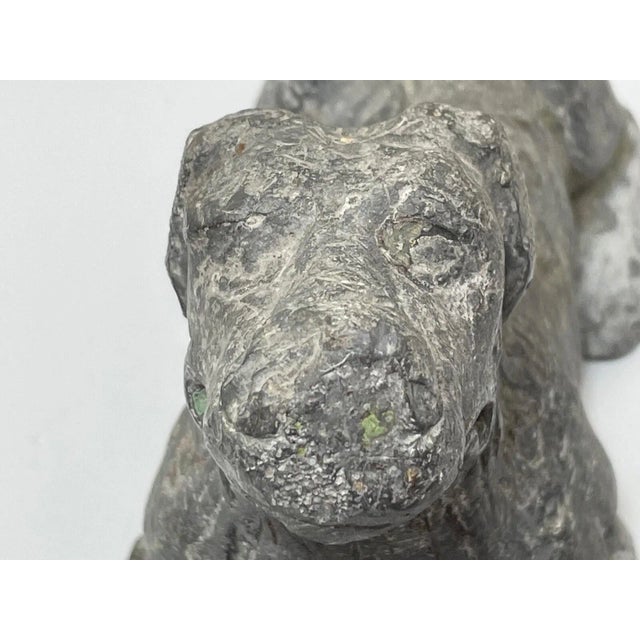
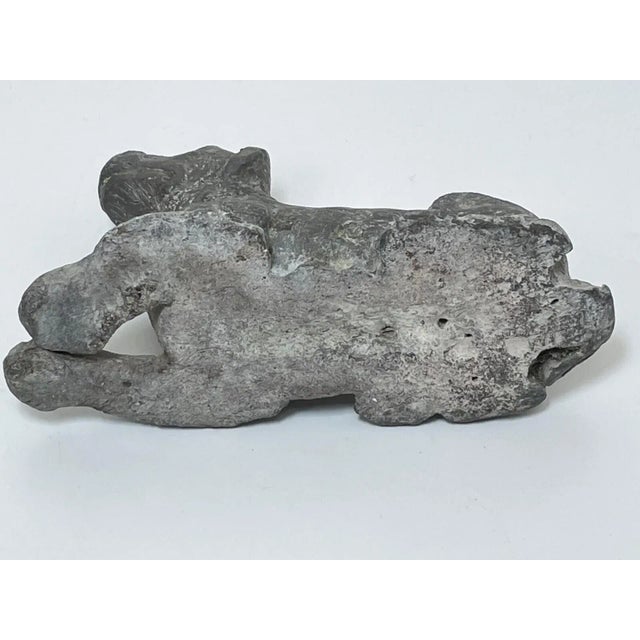
Presented here is a rare early Georgian solid lead sculpture, circa 1760, depicting a noble recumbent hound. Once part of a private museum garden collection, this piece embodies the refinement and craftsmanship of Georgian-era decorative arts.
A perfect acquisition for serious antique collectors, dog enthusiasts, interior designers, and connoisseurs of historic architectural décor, this compact yet substantial sculpture carries both elegance and gravitas.
Exceptional Craftsmanship
Material & Weight: Cast in solid lead and weighing approx. 3.4 kg, it reflects the enduring quality of 18th-century decorative works.
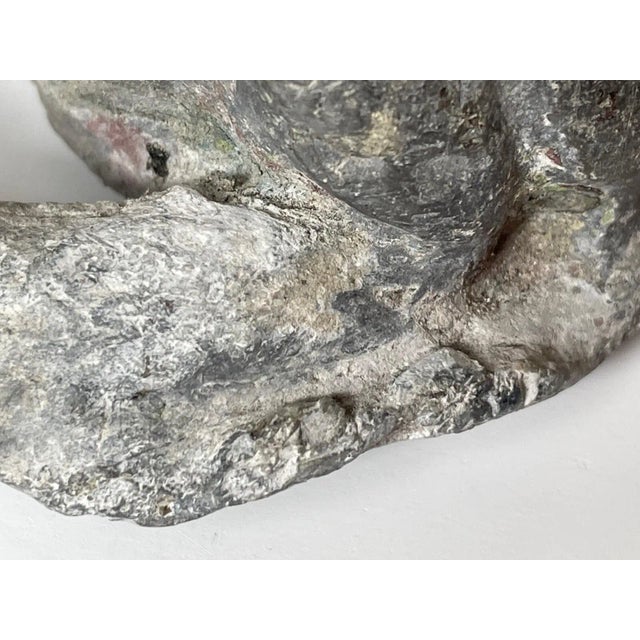
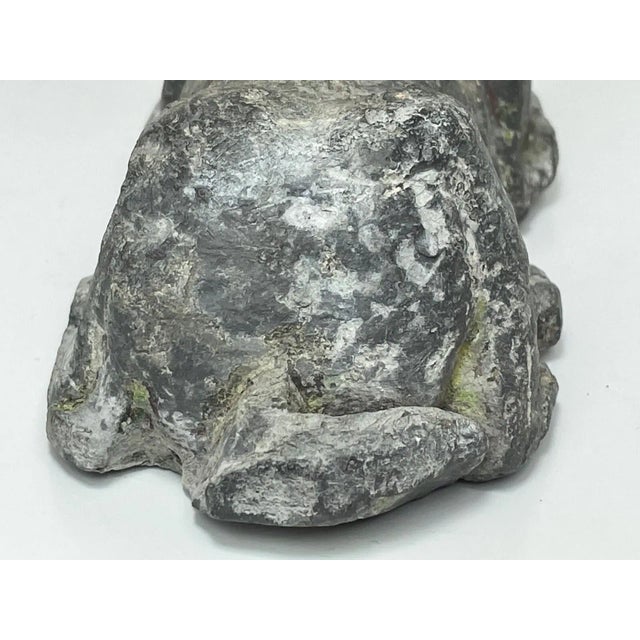
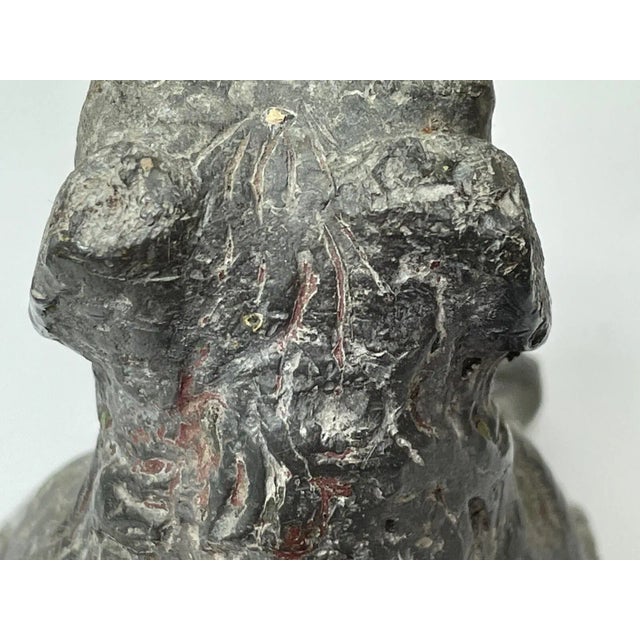
Patina: Naturally weathered over centuries, the surface shows a rich blend of silvery greys and soft oxidation — the kind of authentic patina only time can create.
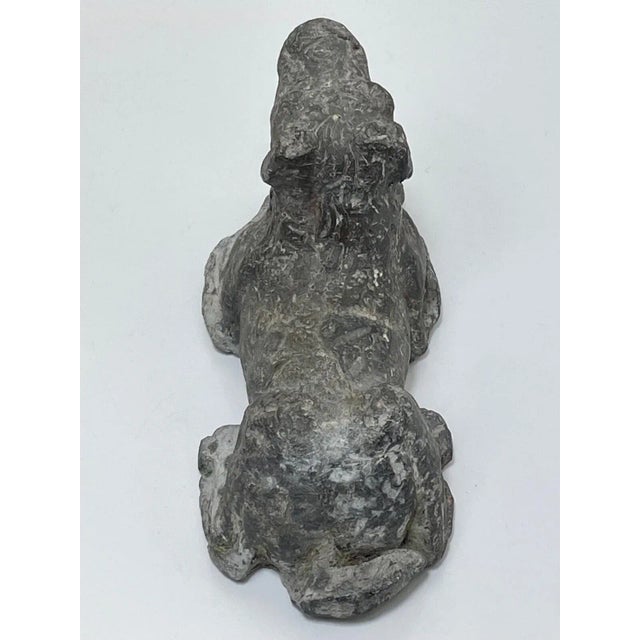
Form: The hound rests gracefully, with sculpted paws, a gentle head tilt, and a subtly arched spine. Its restrained elegance reflects Georgian taste for classical yet naturalistic ornamentation.
Historic Function: Originally designed as a garden or architectural accent, it now serves equally well as a sculptural centerpiece indoors or outdoors.
Dimensions
Height: 9.5 cm (3.7 in)
Width: 7 cm (2.7 in)
Depth: 17 cm (6.7 in)
Compact in scale yet commanding in presence — ideal for display on a console, mantel, or curated garden setting.
Provenance
From a stately home museum garden collection, now offered by Cheshire Antiques Consultant LTD.
This early Georgian lead hound belongs stylistically to the circle of John Cheere (1709–1787), the most important English maker of lead garden sculpture in the mid-18th century. Cheere operated prolific workshops at Hyde Park Corner, London, supplying aristocratic estates with both large figures and smaller-scale decorative animals intended for terraces, parterres, grottoes, and garden alcoves.
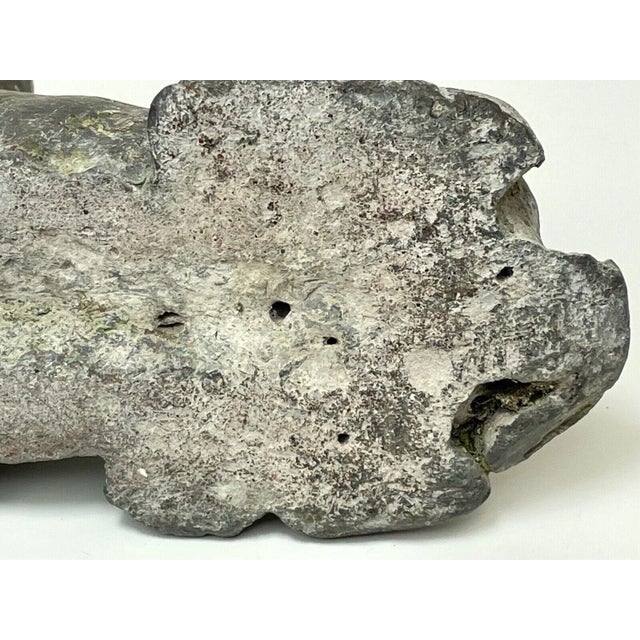
The modelling of this hound — compact, naturalistic, and gently simplified — aligns strongly with smaller lead animals documented in Cheere’s 1740–1770 output. The soft contours, hand-finished detailing, and characteristic casting irregularities on the underside accord with surviving pieces attributed to Cheere’s foundry and its associated craftsmen.
During the 1750–1765 period, Cheere supplied sculptures to numerous major patrons, including:
Sir Henry Hoare for the gardens at Stourhead
Philip Yorke, 1st Earl of Hardwicke at Wimpole Hall
The Duke of Beaufort at Badminton House
Lord Cobham at Stowe
Various members of the London mercantile elite creating formal townhouse gardens
Many of these commissions included small animals — dogs, lions, birds, and other garden ornaments — placed on balustrades, niches, and approach paths.
Given the sculpture’s scale, material, and stylistic treatment, it is highly plausible that this piece originated from one of the Cheere-supplied Georgian estates, either in the Home Counties or the West Country, where such small lead figures were popular enhancements to landscaped gardens influenced by the emerging naturalistic designs of Lancelot “Capability” Brown.
The hound appears to have later passed into a 19th-century private collection, where many lead ornaments were brought indoors to prevent further weathering. Its eventual presence in a private museum garden collection follows a typical trajectory for Georgian garden leadwork, which often migrated through estate sales and antiquarian dealers during the 19th and early 20th centuries.
While no direct documentation survives, the sculpture’s craftsmanship, patina, and typology strongly support an origin within the London lead sculpture tradition founded by John Cheere, making it a rare and evocative survival from the golden age of Georgian garden ornamentation.
Why Collectors Love It
✔ Authentic Georgian-era (c.1760) collectible
✔ Solid lead with centuries-old natural patina
✔ Elegant subject: the timeless resting hound
✔ Ideal for private collections, curated interiors, or museum-quality display
✔ A piece that speaks of both history and artistry
Own a rare piece of English early Georgian heritage.
Click Buy It Now to add this noble hound to your collection today.
See less
- Dimensions
- 2.7ʺW × 6.7ʺD × 3.7ʺH
- Styles
- Georgian
- Period
- Mid 18th Century
- Country of Origin
- United Kingdom
- Item Type
- Vintage, Antique or Pre-owned
- Materials
- Lead
- Condition
- Original Condition Unaltered, Needs Restoration
- Color
- Gray
- Condition Notes
- Condition antique worn patina condition with age-appropriate surface wear, grazes, and small material losses — all enhancing its historic authenticity. … moreCondition antique worn patina condition with age-appropriate surface wear, grazes, and small material losses — all enhancing its historic authenticity. Structurally sound and display-ready. less
Cheshire Antiques Consultant LTD
Chester, Cheshire West and Chester
Since 2021100+ sales
3x Super Seller
Questions about the item?
Returns & Cancellations
Return Policy - All sales are final 48 hours after delivery, unless otherwise specified in the description of the product.
Cancellation Policy - Prior to shipping or local pickup, buyers may cancel an order for up to 48 hours, unless otherwise specified.