Details
Description
Jules Chéret (1836-1932)
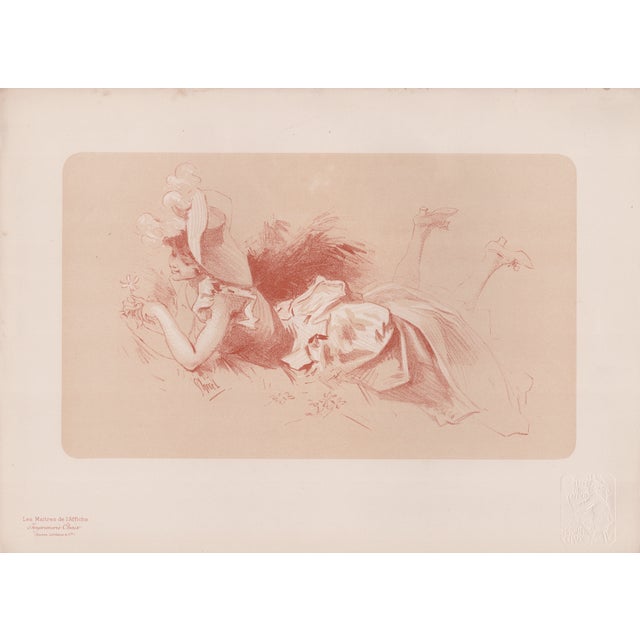
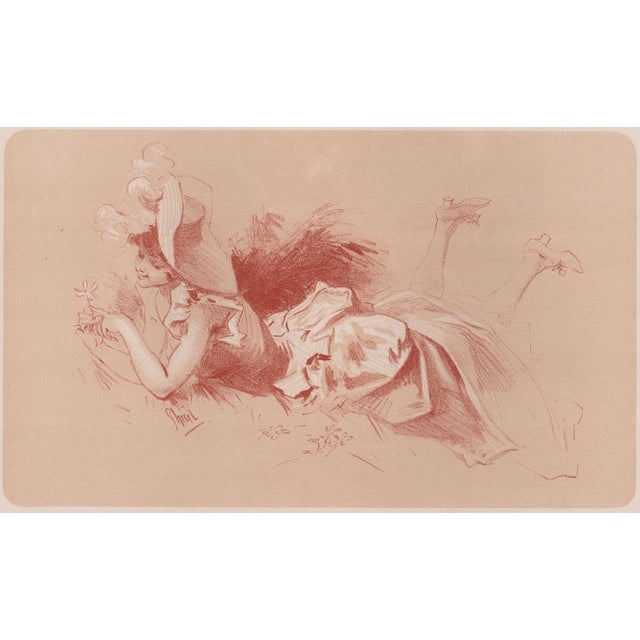
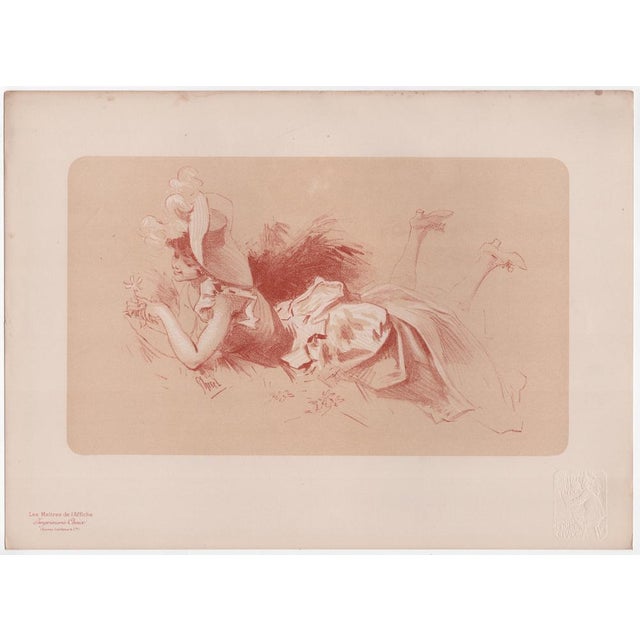
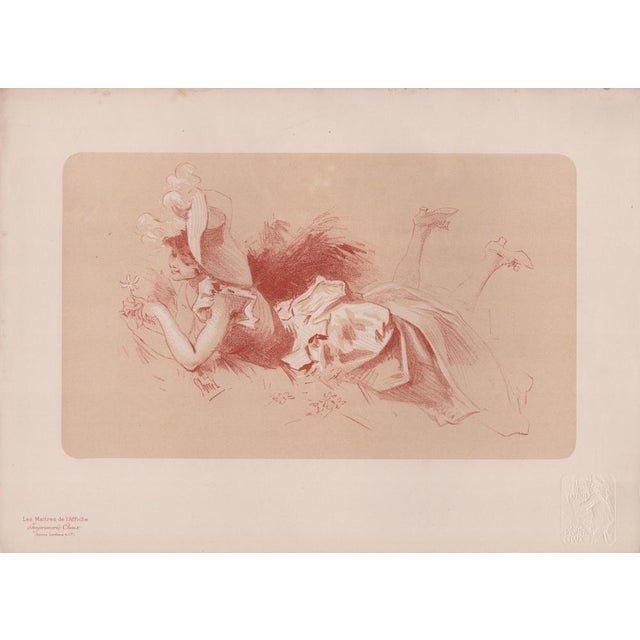
Chérette
Year: 1897
Lithograph on wove paper
Publisher: Chaix
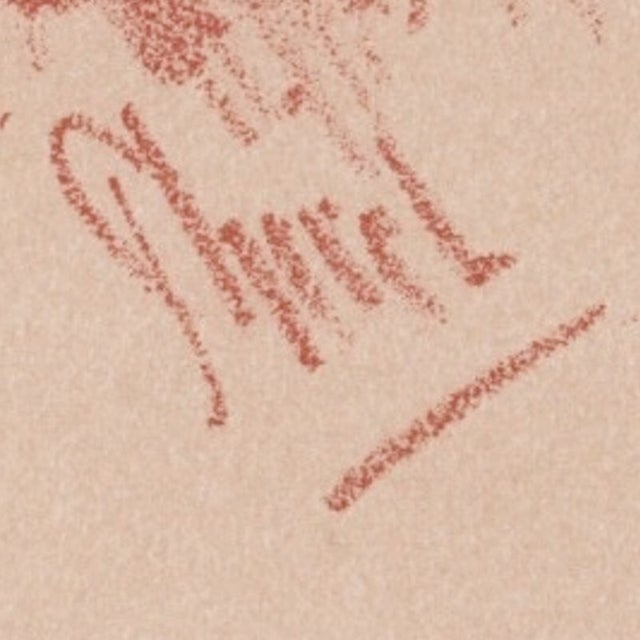
Signed in the plate, lower left
from the …
Read more
Jules Chéret (1836-1932)
Chérette
Year: 1897
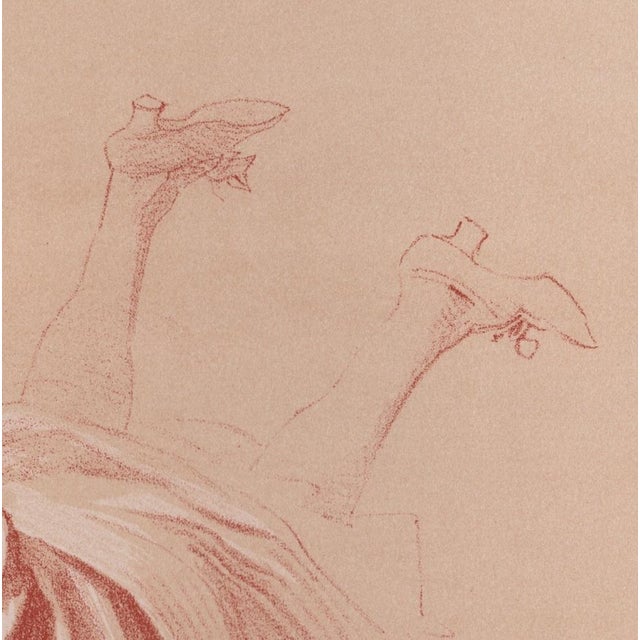
Lithograph on wove paper
Publisher: Chaix
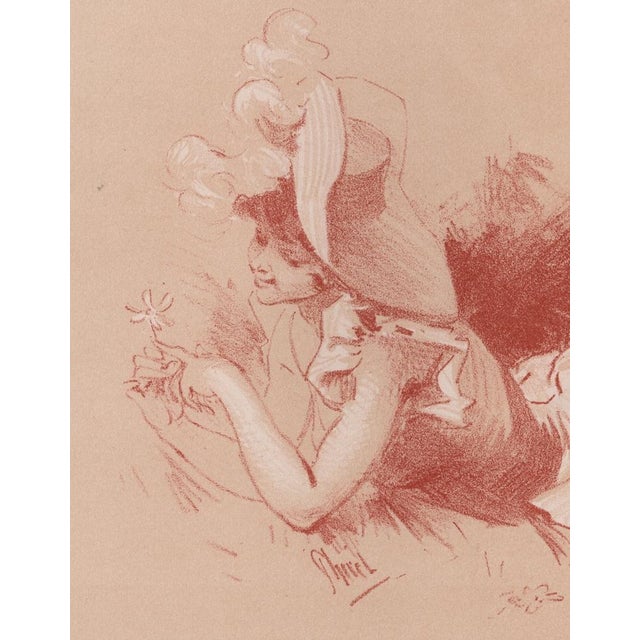
Signed in the plate, lower left
from the famous collection "Les Maîtres de l'Affiche"
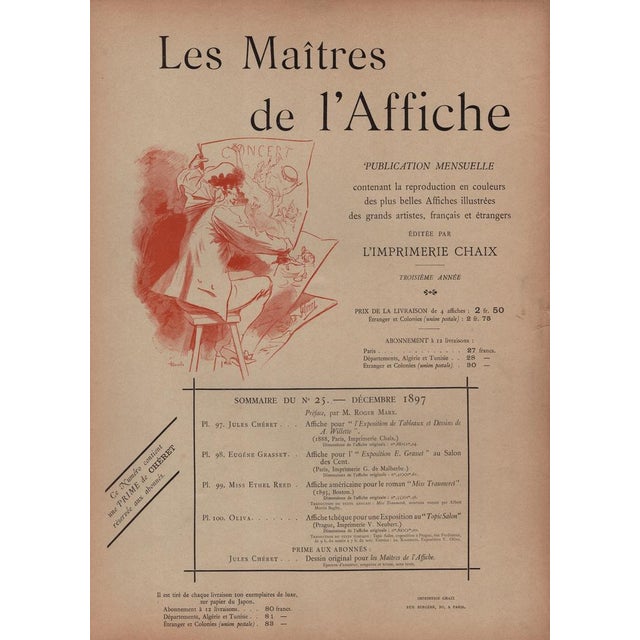
Issue # 25, Special Plate, December 1897
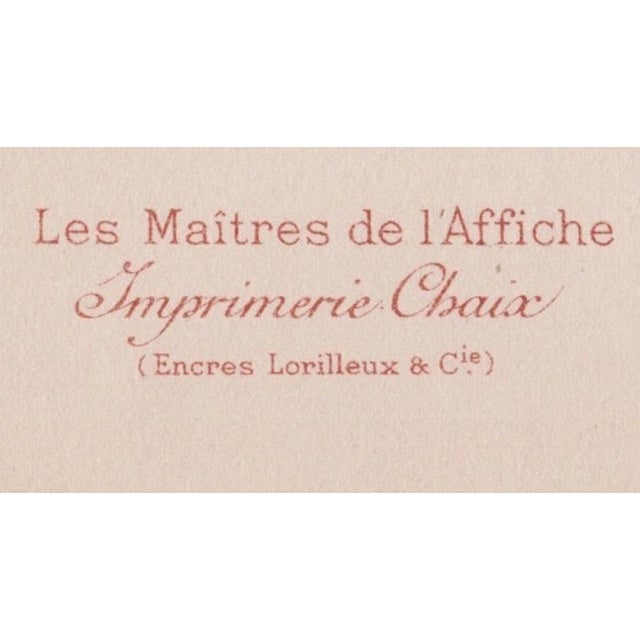
Bottom left:
Les Maîtres de l'Affiche
Imprimerie Chaix
(Encres Lorilleux & Cie.)
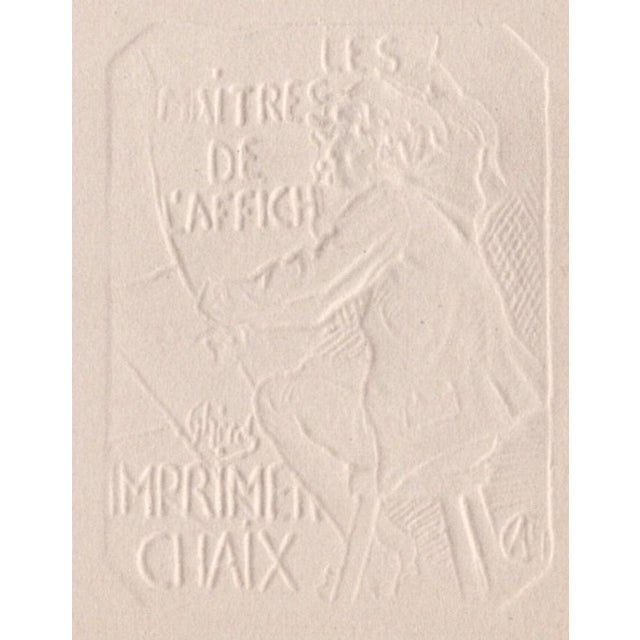
Bottom right, blind stamp of publisher / edition
Very Good Condition
Literature:
"The Complete Masters of the Poster", edited by Stanley Appelbaum, Dover, New York, 1990, p. E
___
About the collection "Les Maîtres de l'Affiche"
Les Maîtres de l'Affiche (The Masters of the Poster) is one of the most prestigious and influential art publications in history Its 256 color plates have preserved for each succeeding generation a wide-ranging selection of outstanding posters from the turn of the century, when that popular art form had reached its first peak.
The earliest printed posters were chiefly typographic, with relatively few illustrated examples. But in the second half of the nineteenth century, when all types of commercial products, including printed matter, were being aesthetically upgraded, largely thanks to various arts-and-crafts movements, serious artists such as Manet began to see new possibilities in the poster medium. It was especially Jules Chéret (1836-1932) whose unique combination of artistic, technical and entrepreneurial talents was to pave the way for a true poster industry. After Chéret opened his own print shop in Paris in 1866, his work continued to inspire numerous emulators in Europe and America. from 1881 on, his shop operated as a branch of the large Chaix firm (Imprimerie Chaix)
By the 1890s the streets of every great metropolis were enlivened by large, colourful posters.
This Chaix publication, Les Maîtres de l'Affiche, was issued as separate numbered sheets measuring 40 x 29 cm. Every month for 60 months, from December 1895 through November 1900, subscribers received a wrapper containing four consecutively numbered poster. On 16 occasions the monthly wrapper also contained a bonus plate, a specially created art lithograph. Jules Chéret, artistic director of Chaix and father of the modern poster, emerged with the lion's share of the plates, one Chéret being included in each monthly issue of four, and seven of the 16 unnumbered bonus plates.
Of the 97 artists represented in Les Maîtres de l'Affiche, some were preeminent painters and printmakers at various stages of their careers: Toulouse-Lautrec, Denis, Bonnard, Vallotton, Puvis de Chavannes. Others were famous illustrators and cartoonists of the period, still well known to art collectors and bibliophiles. Forain, Caran d'Ache, Ibels, Willette, Boutet de Monvel, Léandre. But there were also all those whose names say "poster," the conquering pioneers of the new medium. Chéret himself, Mucha, Steinlen, the Beggarstaffs, Grasset, Penfield, Parrish, Bradley, Hardy The list could go on and on.
___
About the Artist
Jules Chéret (1836 – 1932) was a French painter and lithographer who became a master of Belle Époque poster art. He has been called the Father of the Modern Poster.
Born in Paris to a poor but creative family of artisans, Chéret had a very limited education. At age thirteen, he began a three-year apprenticeship with a lithographer.
from 1859 to 1866, he was trained in lithography in London, England, the he returned to France, where he created vivid poster ads for the cabarets, music halls, and theaters such as the Eldorado, the Olympia, the Folies Bergère, Théâtre de l'Opéra and the Moulin Rouge.
His works were influenced by the scenes of frivolity depicted in the works of Rococo artists such as Jean-Honoré Fragonard and Antoine Watteau.
Edmond de Goncourt recognized Chéret as "the first painter of the Paris wall, the inventor of the art in the poster".
Chéret, Les Chérettes and Women's Liberation
As his work became more popular and his large posters displaying modestly free-spirited women found a larger audience, pundits began calling him the "father of the women's liberation." Women then had previously been depicted in art as prostitutes or puritans. The women of Chéret's posters, joyous, elegant and lively —'Cherettes', as they were popularly called— were neither. It was freeing for the women of Paris, and heralded a noticeably more open atmosphere in Paris where women were able to engage in formerly taboo activities, such as wearing low-cut bodices and smoking in public. These 'Cherettes' were widely seen and recognised, and a writer of the time said "It is difficult to conceive of Paris without its 'Cheréttes'".
___
Important:
. The listing is for the original lithograph.
. The cover of the issue by Jules Chéret is shown for reference.
This piece has an attribution mark,
I am sure that it is completely authentic and take full responsibility for any authenticity
issues arising from misattribution
See less
- Dimensions
- 11.42ʺW × 15.75ʺH
- Art Subjects
- Figure
- Period
- Late 19th Century
- Country of Origin
- France
- Item Type
- Vintage, Antique or Pre-owned
- Condition
- Good Condition, Unknown, Some Imperfections
- Color
Returns & Cancellations
Return Policy - All sales are final 48 hours after delivery, unless otherwise specified in the description of the product.
Related Collections
- Ross Bleckner Original Prints
- Tatiana Alida Original Prints
- Greg Copeland Original Prints
- Clay Walker Original Prints
- Leonardo Nierman Original Prints
- Spray Paint Original Prints
- Red Grooms Original Prints
- Balmain Original Prints
- Carrie Bergey Original Prints
- Chaim Gross Original Prints
- Gorman Original Prints
- Teak Original Prints
- William Meyerowitz Original Prints
- Raffia Original Prints
- Botanical Prints
- Japanese Woodblock Prints
- Woodblock Prints
- Bird Prints
- Framed Prints
- Screen Prints
- Black and White Prints
- Thomas McKnight Original Prints
- Classical Greek Original Prints
- Piero Fornasetti Original Prints
- Arthur Secunda Original Prints