

Details
Description
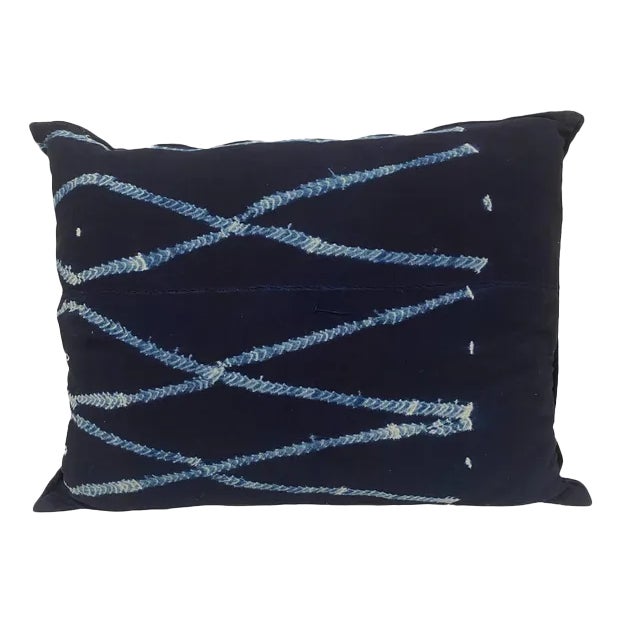
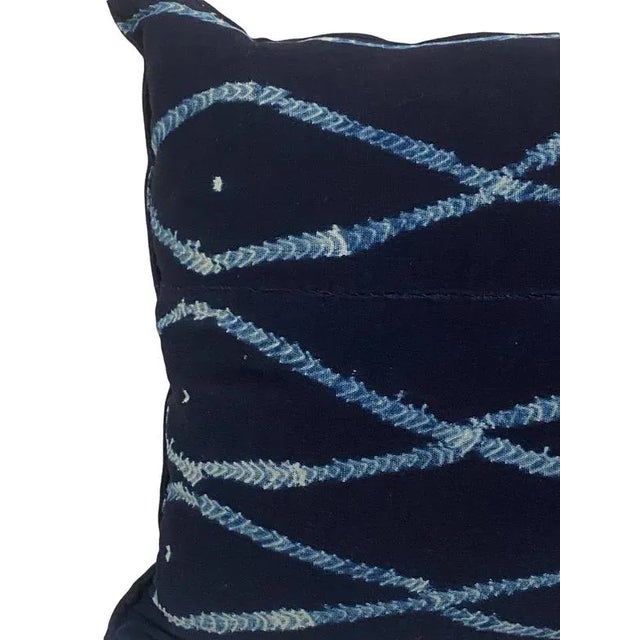
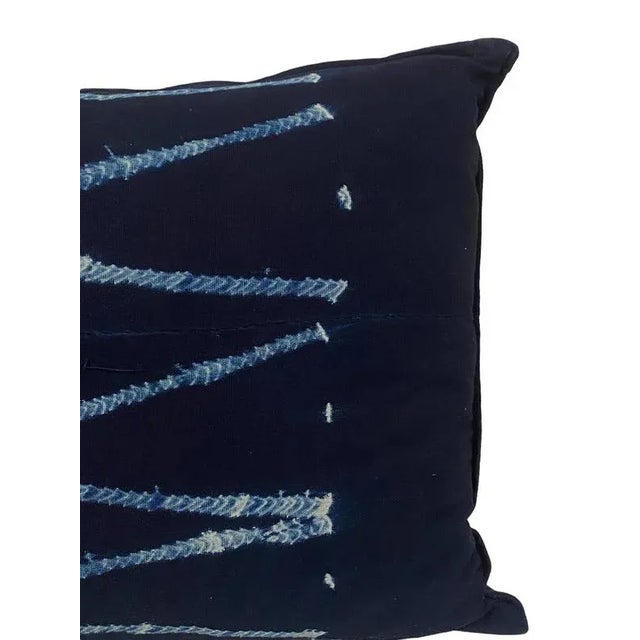
Usually the textile is woven by men and dyed by women. The indigo colour is obtained from plant sources (indigofera … Read more Usually the textile is woven by men and dyed by women. The indigo colour is obtained from plant sources (indigofera plant and the indigo vine). The dried balls of crushed leaves are left to ferment before its mixed with an alkaline solution to produce the dye. The cloth is repeatedly immersed into the dye to darken the colour. Afterwards the textile is hand beaten to fasten the colour. Possibly the most recognizable form of indigo cloth from west africa, this adire oniko textile was made by tying the cotton textile tightly in order to resist the dye in certain parts. The patterns are unmistakable and are attributed to the yoruba of nigeria. Nb: to clean- a very gentle hand washing (never machine, on any setting) in cool water with a very gentle detergent works, but even then, dyes may not be colourfast. Inner cushion included. Size: 70x50cm See less
- Dimensions
- 23.62ʺW × 27.56ʺD × 19.69ʺH
- Country of Origin
- Niger
- Item Type
- Vintage, Antique or Pre-owned
- Materials
- Textile
- Condition
- Unknown, Some Imperfections
- Color
- Blue
- Condition Notes
- Patina Consistent with Age and Use Patina Consistent with Age and Use less
Returns & Cancellations
Return Policy - All sales are final 48 hours after delivery, unless otherwise specified in the description of the product.
Cancellation Policy - Prior to shipping or local pickup, buyers may cancel an order for up to 48 hours, unless otherwise specified.