

Details
Description
Persian Farahan Sarouk rugs were woven in the village of Sarouk but these carpets given the name “Farahan” as a …
Read more
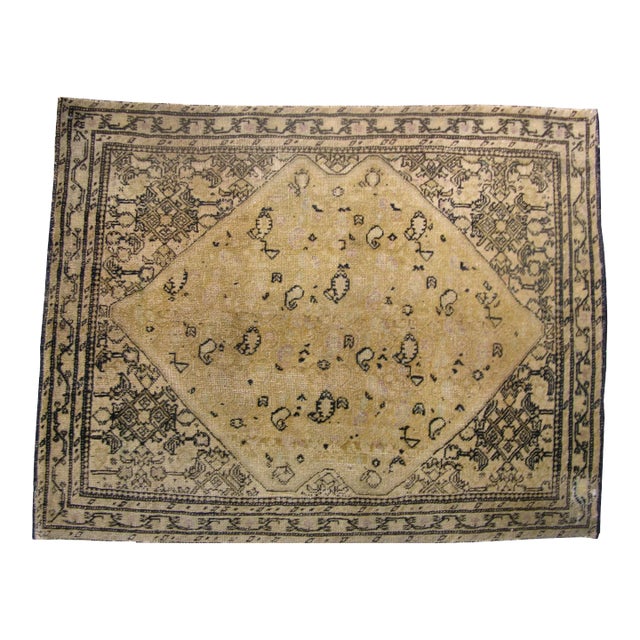
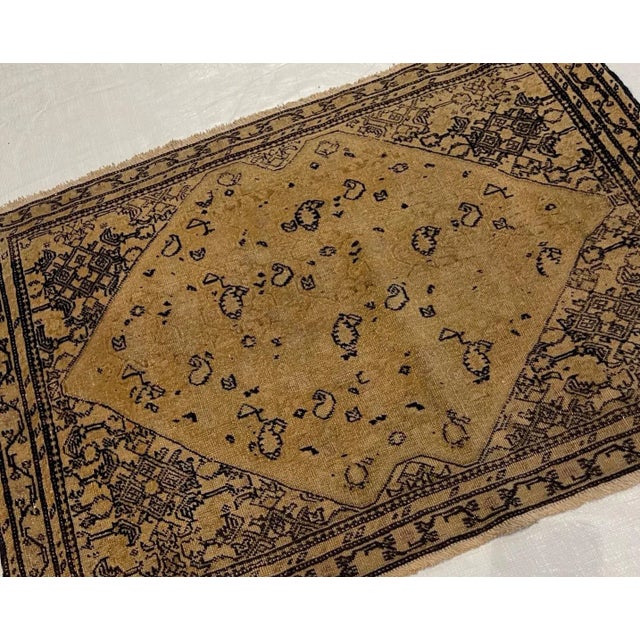
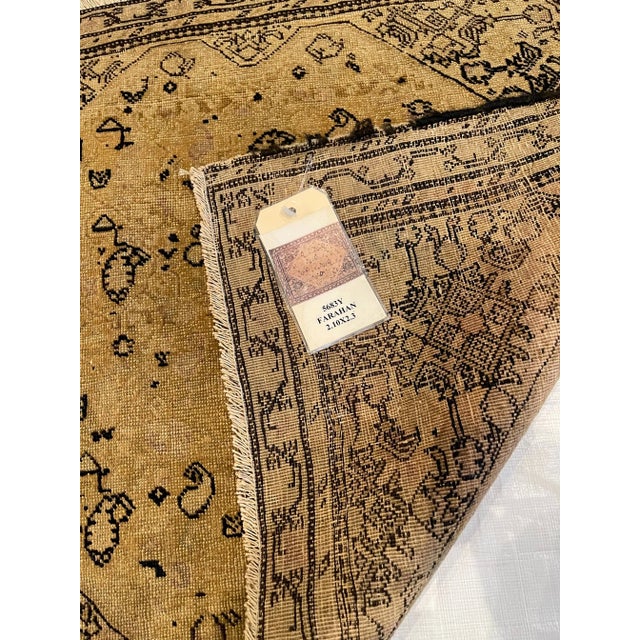
Persian Farahan Sarouk rugs were woven in the village of Sarouk but these carpets given the name “Farahan” as a distinction for their exceptional type of Sarouks. The Persian Farahan Sarouk rugs were made over a period of one hundred years beginning in the mid 18th century.
They have an asymmetrical knot on a cotton ground; the wefts are dyed blue or occasionally pinkish red. The weave is extremely fine and the many patterns combine both tribal and more traditional designs. They often have a floral border with a soft pale apple or pistachio green ground.
Feraghans were made between the 1870’s and 1913 from a region north of the town of Arak, produced for the Persian aristocracy. They are single weft, long and narrow or room-sized carpets, typically with an allover herati design or floral and curling leaf motifs.
Sarouk Feraghan carpets exhibit rich colors, often a red field, deep indigo accents and subtle shades of green. Feraghan rugs are of a finer weave than other types of Sultanabad rugs, with delicately executed motifs.
Feraghan Sarouk rugs, also called Persian Sarouk, are double weft, heavier carpets with a higher knot count than village Sultanabad rugs. Fields are often blue or ivory and designs typically feature either large medallions or representations of trees and birds.
They were developed in response to Tabriz merchants who were exporting carpets to the West. Designs were supplied to the weavers in the Sultanabad region who had difficulty executing the fine patterns; thus, these carpets tend to be a bit unbalanced and off-kilter.
The Sarouk Feraghans / Feraghan rugs waned in popularity as the American Sarouk gained prominence. American Sarouk rugs were designed to appeal to the American consumer. Colors, typically burgundy or rose-colored but also blue, were chosen to be compatible with wooden furniture. The motifs are all-over designs of sprays of flowers, vines and leaves more sparsely woven in the field than a traditional Persian Rug.
Dyes did not hold up to alkaline washings during manufacture, so the red backgrounds were painted to intensify the color. Today, the area continues to produce good quality, vegetable dye antique rugs in the tradition of Sarouks and Feraghans woven in the region throughout the last two hundred years.
See less
- Dimensions
- 2′1″ × 2′3″ and 0.2″ thick
- Styles
- Turkish
- Rug Construction
- Hand Knotted
- Pattern
- Geometric
- Period
- 19th Century
- Item Type
- Vintage, Antique or Pre-owned
- Materials
- Cotton
- Wool
- Condition
- Good Condition, Original Condition Unaltered, Some Imperfections
- Color
- Gold
- Condition Notes
- Perfect Condition Perfect Condition less
Questions about the item?
Returns & Cancellations
Return Policy - All sales are final 48 hours after delivery, unless otherwise specified in the description of the product.
Cancellation Policy - Prior to shipping or local pickup, buyers may cancel an order for up to 48 hours, unless otherwise specified.
Related Collections
- Seagrass Rugs
- Bamboo Fabric Rugs
- Cashmere Rugs
- Classical Greek Rugs
- Josef Albers Rugs
- Beaux-Arts Rugs
- Blue Moroccan Rugs
- Cream Moroccan Rugs
- White Moroccan Rugs
- Ivory Moroccan Rugs
- Rugs in Chicago
- Moroccan Rugs
- Scandinavian Rugs
- Persian Rugs
- Rugs in New York
- Art Nouveau Rugs
- Spanish Rugs
- Rugs in Dallas
- Early American Rugs
- Rugs in Los Angeles
- Khotan Rugs
- Rugs in Washington DC
- Karastan Rugs
- Rugs in San Francisco
- Chinese Rugs