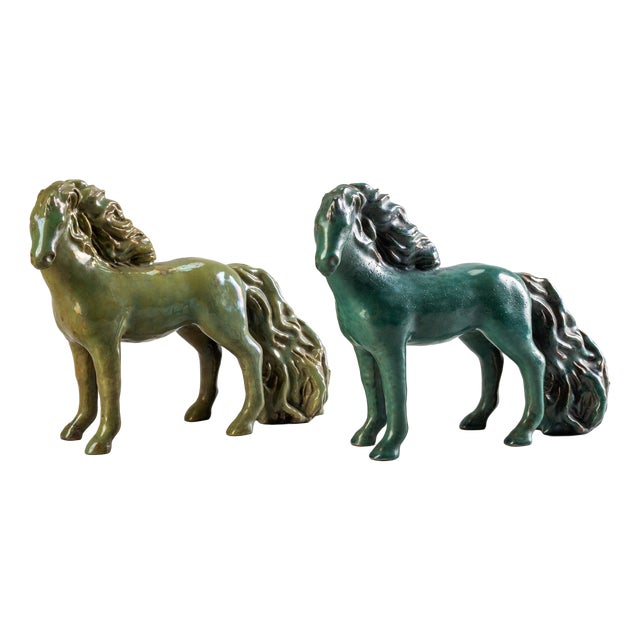
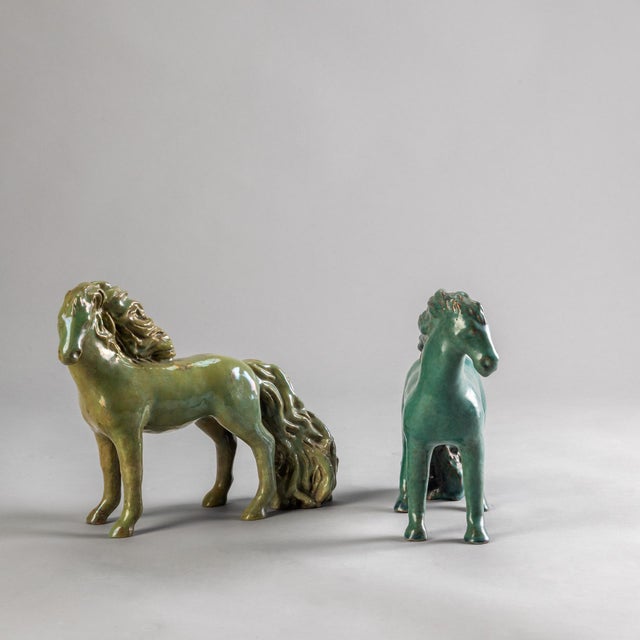
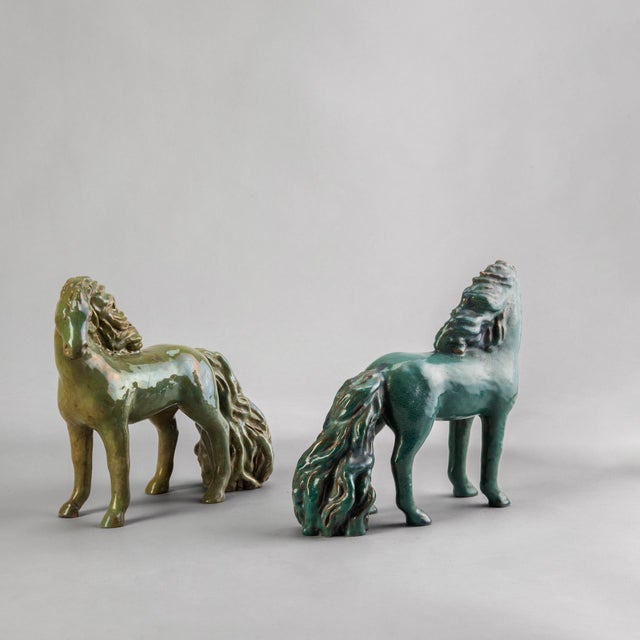
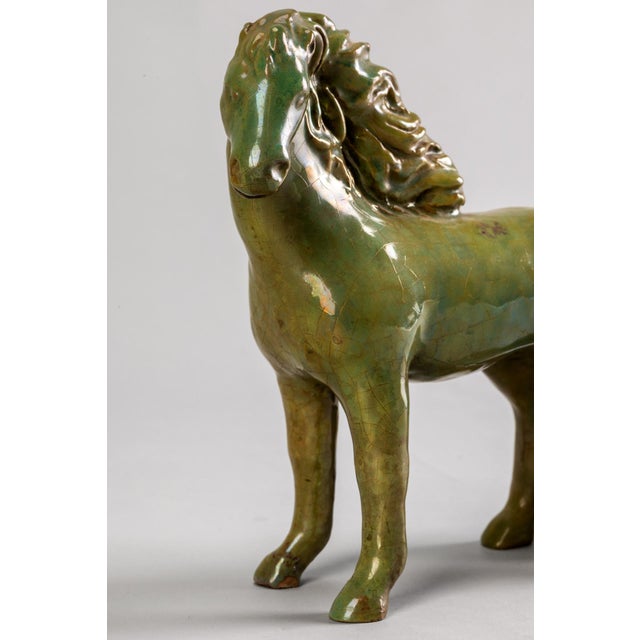
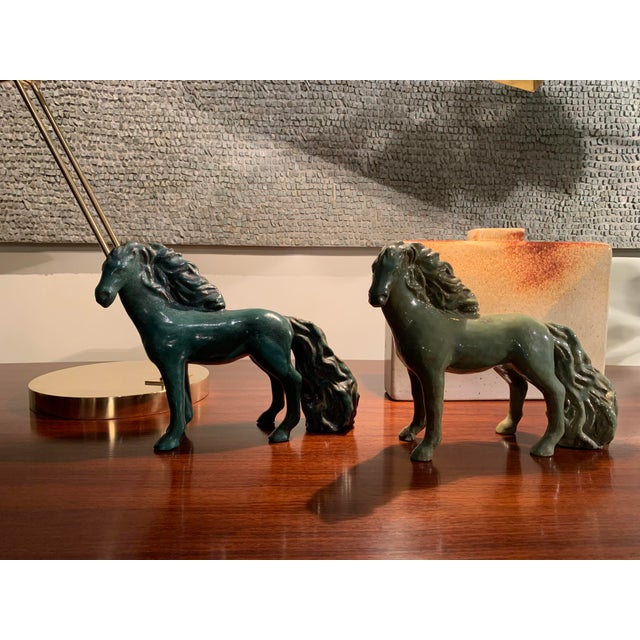
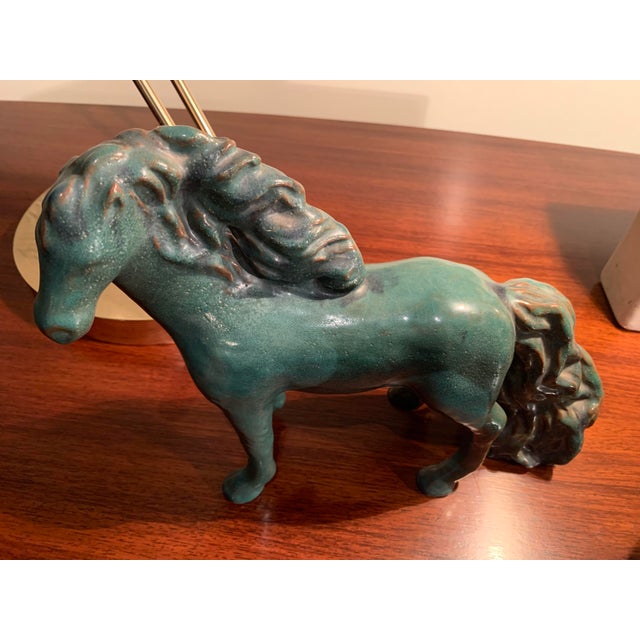
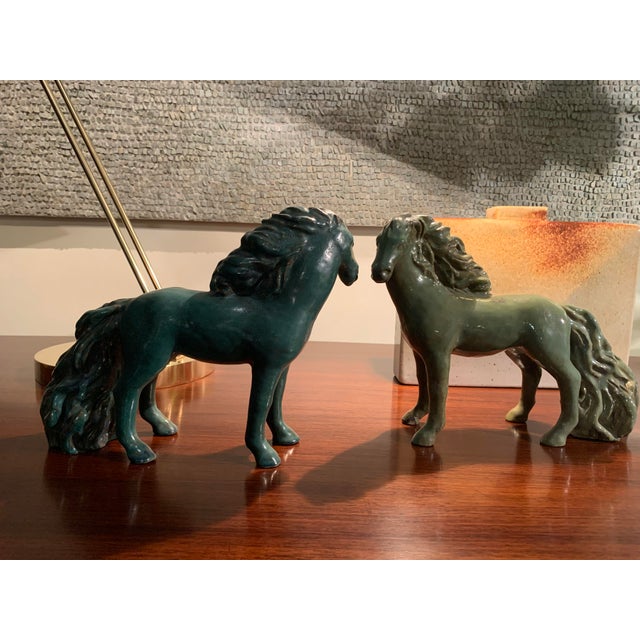
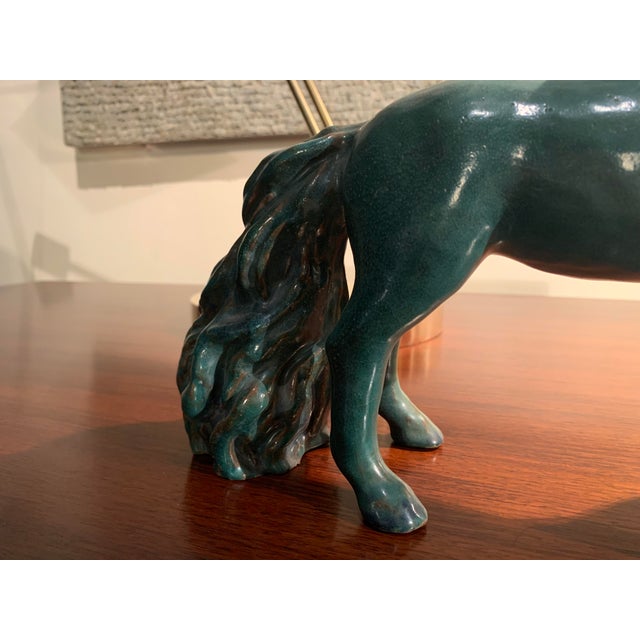


Details
Description
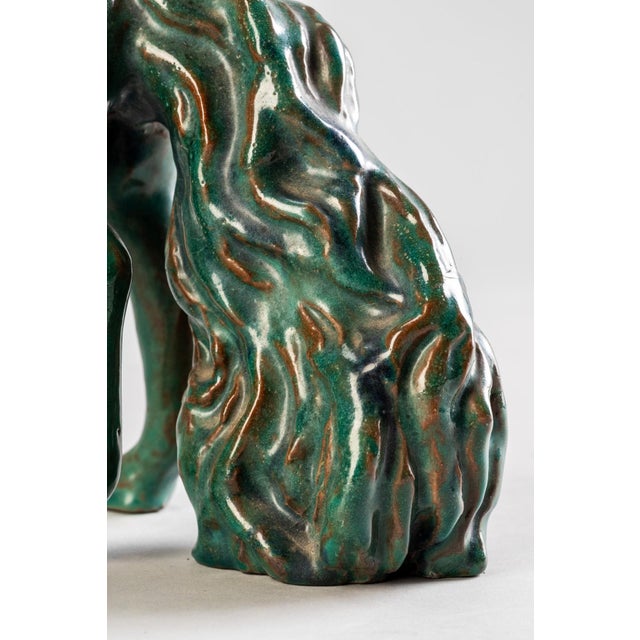
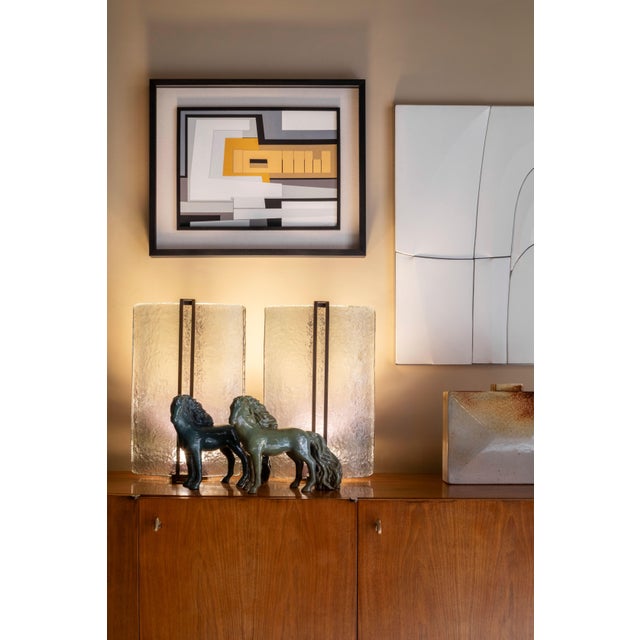
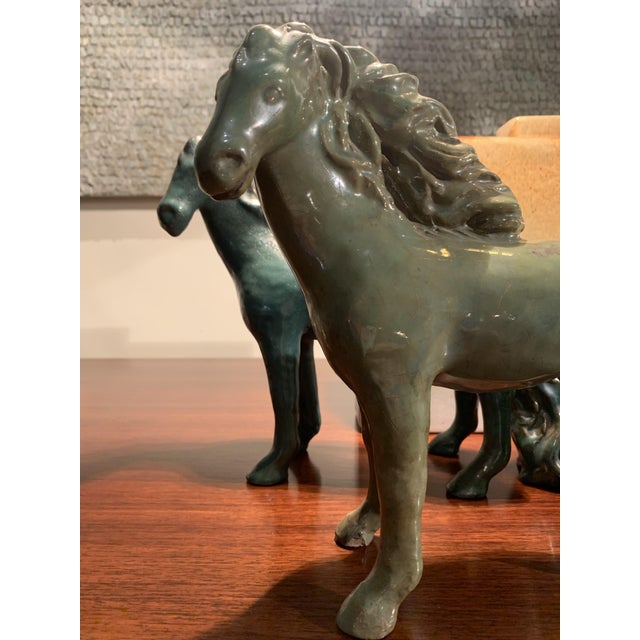
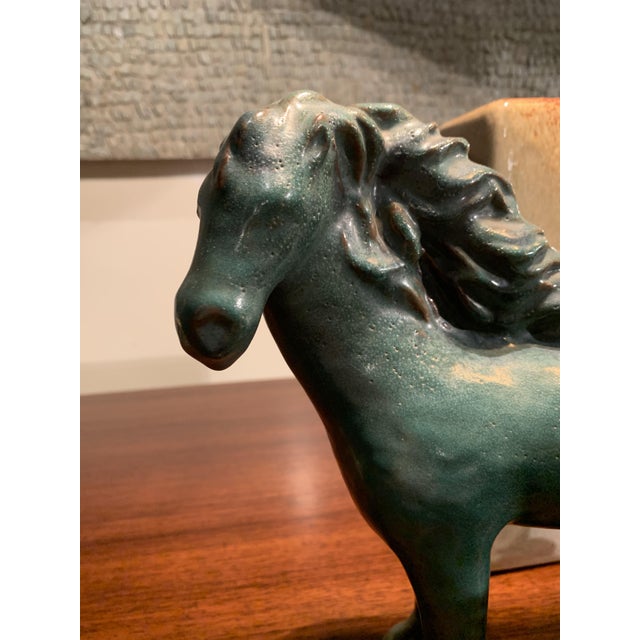
A "master of applied arts" whose work encompassed textile art. Painter, ceramist, and sculptor, Guerrino Tramonti was born in Faenza …
Read more
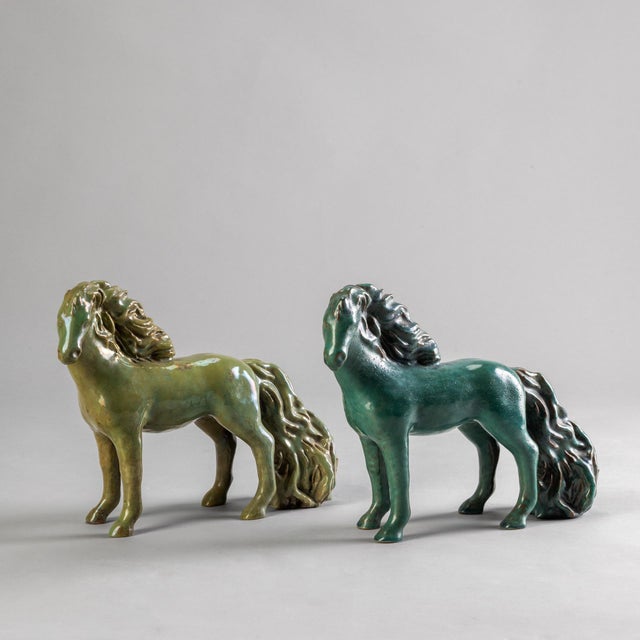
A "master of applied arts" whose work encompassed textile art. Painter, ceramist, and sculptor, Guerrino Tramonti was born in Faenza on June 30, 1915. In the second half of the 1920s, he attended the Royal School of Ceramics in Faenza, where he learned about color from the Faenza master Anselmo Bucci. Among the teachers who influenced the young man's artistic development was the sculptor Domenico Rambelli. However, Tramonti considered himself primarily self-taught. from a very young age, he exhibited as a sculptor in regional and national exhibitions: in 1931, at the age of just sixteen, he won the "Rimini" prize; in 1932 and 1934, he won first prize in the "Rubicone" competition in Rimini. On the latter occasion, he accepted, but declined, an invitation from Arturo Martini, a member of the jury, to join him in his studio in Milan. In his early twenties, in 1938, he won an award at the 1st National Ceramics Competition organized by the city of Faenza.
At this event, Tramonti praised "the synthetic sincerity of certain figures," a group of works in terracotta and polychrome enamels, created in Albisola at the "Casa d'Arte Agnino & Barile," where he had moved for about a year to work as a modeler. The winning sculpture, a "Head of a Young Girl," was acquired from the competition and entered the collections of the International Museum of Ceramics in Faenza but was destroyed during World War II. Between 1944 and 1947, he moved to Venice, where he frequented the studio of Filippo De Pisis, whom he had already met several times during his exhibitions in Emilia-Romagna since 1933. In 1951, he opened his own studio on Via Tolosano in Faenza. Called to teach art, he approached it, first as Professor and then Director, choosing to "lead a school": transmitting the knowledge, research, and passion necessary for a choice of creativity and an educational exercise of conceptual revolt. That same year, he was appointed teacher of plastic art at the School of Art in Civita Castellana and then in Castelli d'Abruzzo, ceramic centers just outside Rome. He frequented the capital's finest artistic and cultural circles, thanks in part to his friendship with the painter Franco Gentilini, with whom he had been associated since adolescence. Over the following decades, until the late 1960s, when he retired from ceramics to devote himself to painting, he received a series of awards, including the "Faenza Prize" twice: in 1952 (for works created in collaboration with Antonio Scordia) and in 1955 (ex-aequo with Carlo Negri). In 1956, the Roman publisher De Luca published a monograph of his work, with an introduction by Leonardo Sinisgalli, in the "Artisti d'oggi" series. In 1958, he opened his studio-home on Via Fratelli Rosselli in Faenza and transferred to the school in Cagli and the Art Institute of Forlì the following year. In the 1960s, artistic research reached new heights, moving from majolica decorated with thick underglaze glazes to new high-temperature materials such as stoneware and porcelain. The decade from 1960 to 1970 saw Tramonti ceramics shift toward the "absolute" ceramic, with forms that
became sculptures, polychrome and nuanced glazes, and crystallization effects.In 1964, Japan organized a traveling exhibition to celebrate the opening of the Tokyo Olympic Games, honoring him by selecting his works from among those of the world's artists who best embodied the Japanese spirit. In 1968, he abandoned ceramics and returned to painting for a decade, dedicating himself fully to pictorial research. In 1971, he was hailed by critics as a complete artist, and in the 1970s he exhibited in exhibitions of paintings only. His painting was described as surreal, rough to the touch like his ceramics of the past, with vivid colors like those of his large glazed plates. In the 1970s and 1980s, ceramics returned, but as a personal reflection, a revisitation of the techniques used in the 1950s, with the addition of the prevalent use of writing. In 1987, in the final years of his career, he created a monumental Crucifix in polychrome majolica refractory ceramic, an excellent example of sacred art that redeemed ceramic sculpture from its role as a mere architectural embellishment. On October 17, 1992, Guerrino Tramonti died and, by the artist's will, the Tramonti Museum was born in his home-workshop in Faenza. This piece has an attribution mark,
I am sure that it is completely authentic and take full responsibility for any authenticity
issues arising from misattribution
See less
- Dimensions
- 11.81ʺW × 2.76ʺD × 9.06ʺH
- Styles
- Mid-Century Modern
- Art Subjects
- Animals
- Period
- 1950s
- Country of Origin
- Italy
- Item Type
- Vintage, Antique or Pre-owned
- Materials
- Ceramic
- Condition
- Good Condition, Original Condition Unaltered, Some Imperfections
- Color
- Forest Green
Returns & Cancellations
Return Policy - All sales are final 48 hours after delivery, unless otherwise specified in the description of the product.
Cancellation Policy - Prior to shipping or local pickup, buyers may cancel an order for up to 48 hours, unless otherwise specified.
Related Collections
- Lime Sculpture
- Mathurin Moreau Sculpture
- Parchment Sculpture
- Far Pavilions Sculpture
- Georgian Sculpture
- Oil-Rubbed Bronze Finish Sculpture
- Maison Jansen Sculpture
- Photorealism Sculpture
- Chaim Gross Sculpture
- David Palombo Sculpture
- Boris Lovet-Lorski Sculpture
- Polycarbonate Sculpture
- Gourd Sculpture
- Recycled/Repurposed Sculpture
- Straw Sculpture
- Constantin Brancusi Sculpture
- Fernando Botero Sculpture
- Albert Ernest Carrier-Belleuse Sculpture
- Hagenauer Werkstätte Sculpture
- Peter Shire Sculpture
- Austin Productions Sculpture
- Mid-Century Modern Sculpture
- Brutalist Sculpture
- Alabaster Sculpture
- Folk Art Sculpture