

Starting at 25% Off
Sale Ends September 8th, 2026 - Shop Now
Details
Description
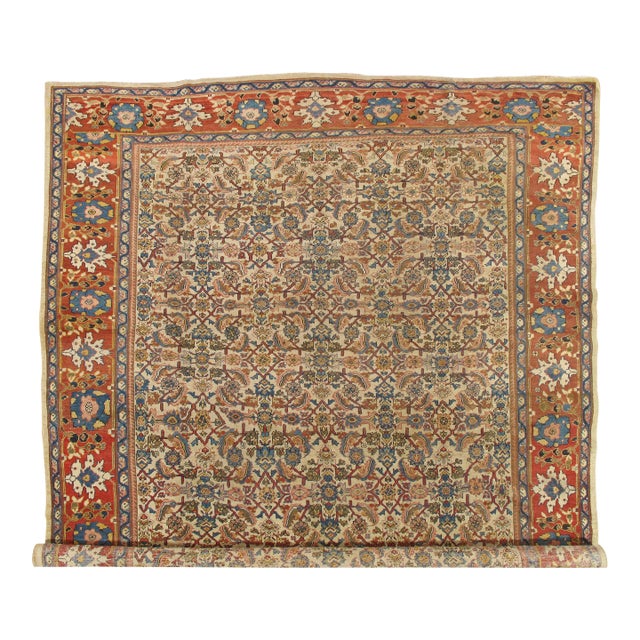
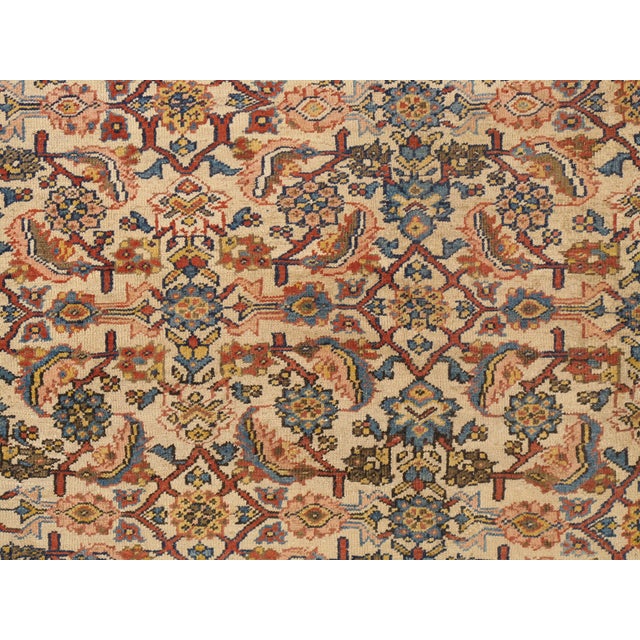
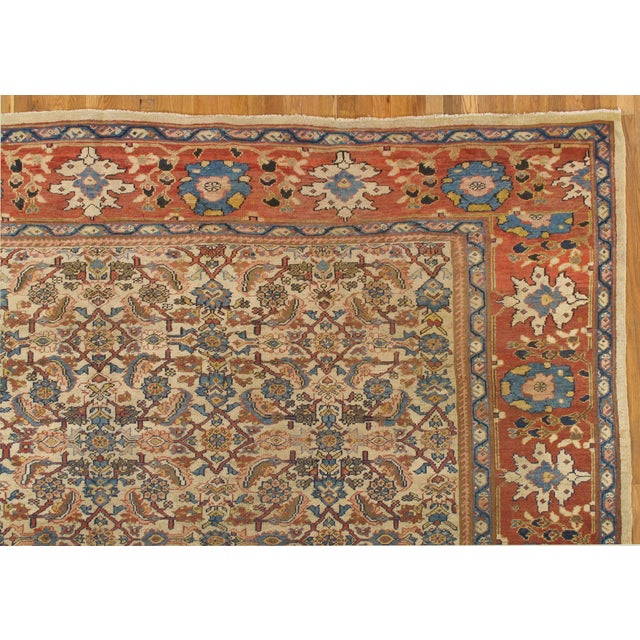
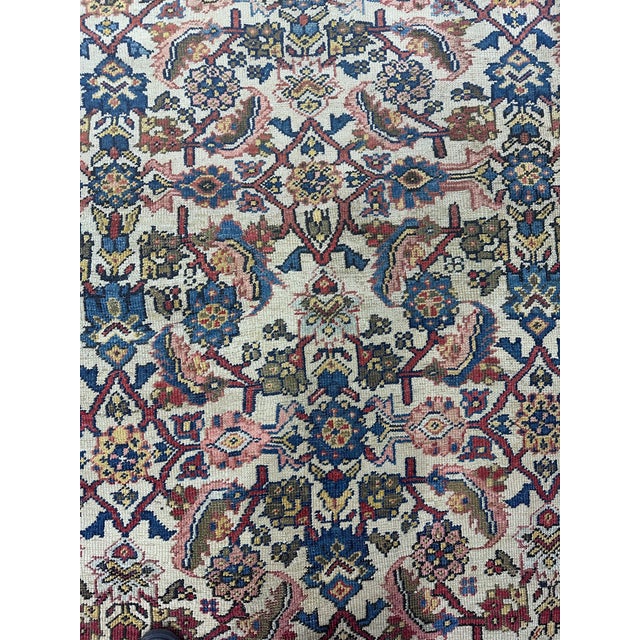
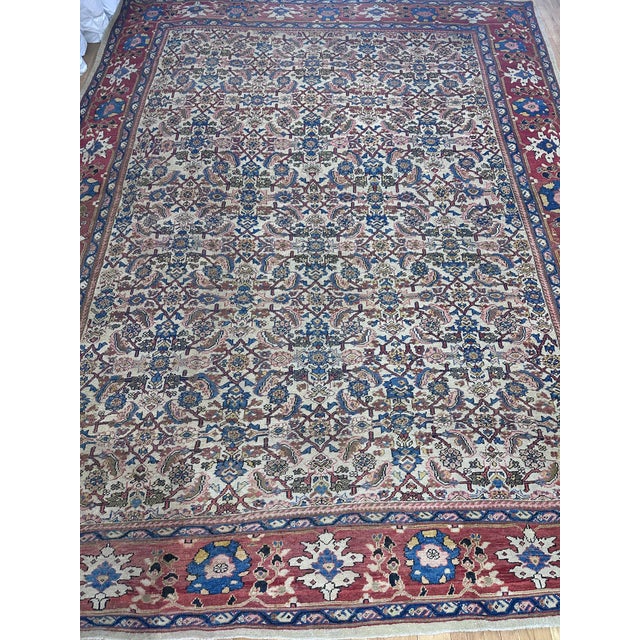
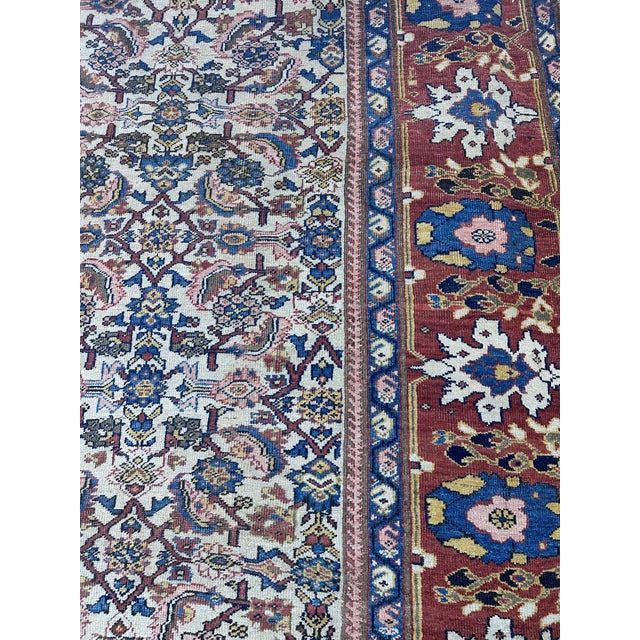
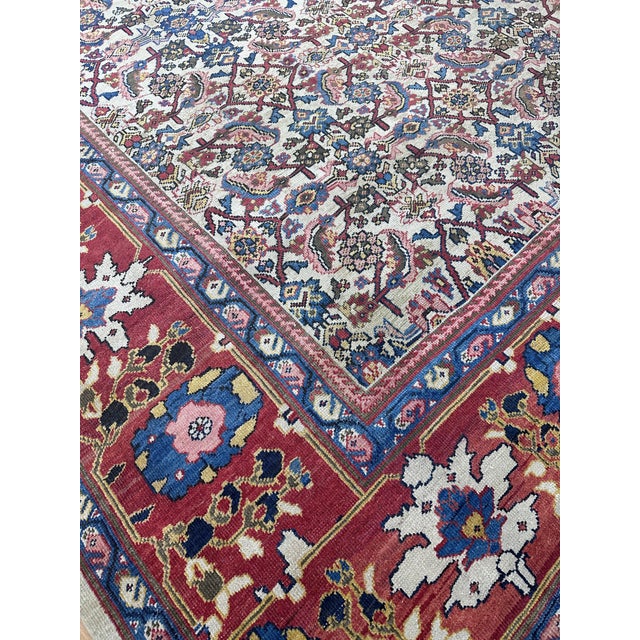
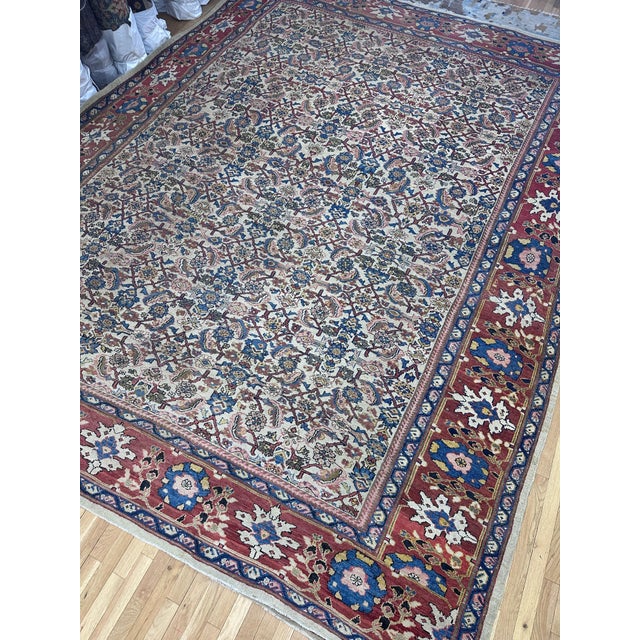
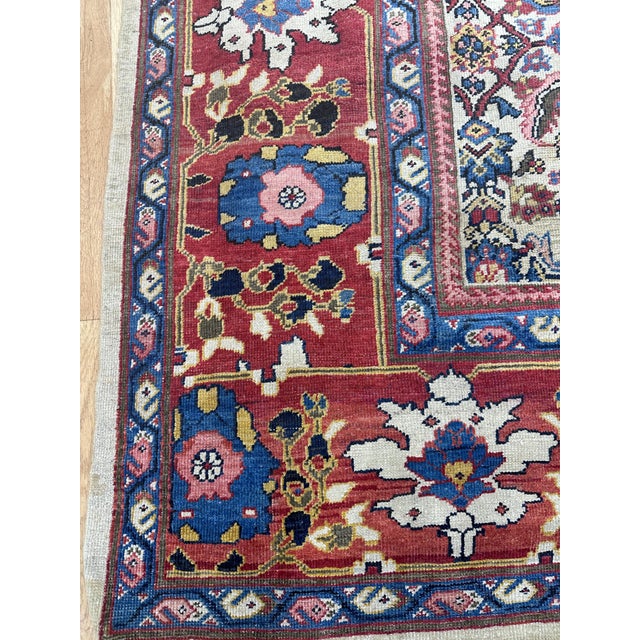
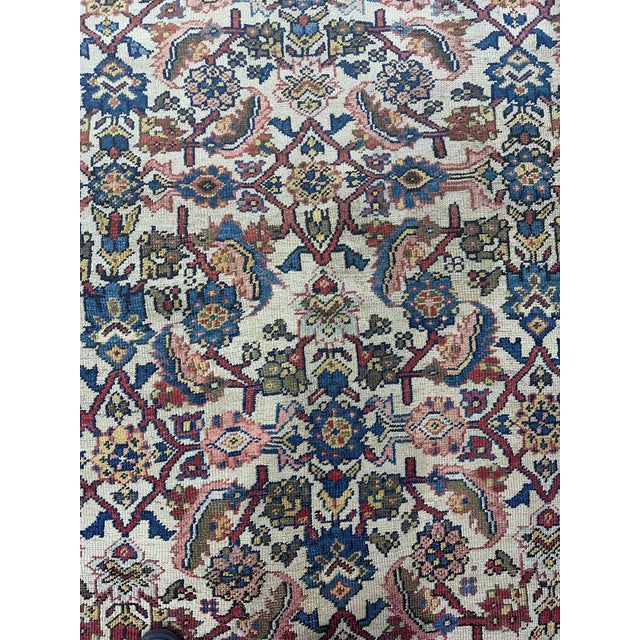
the 19th century, Persian Sultanabad carpets, also known as Ziegler carpets, emerged as one of the most esteemed and sought-after … Read more the 19th century, Persian Sultanabad carpets, also known as Ziegler carpets, emerged as one of the most esteemed and sought-after styles in the realm of Persian rug weaving. These carpets were crafted in the city of Sultanabad (now known as Arak), located in the western part of Iran, and gained widespread acclaim for their unique designs, durable construction, and exceptional quality. Sultanabad rose to prominence as a major center for carpet production during the 19th century, attracting skilled artisans and weavers from across Iran. The city's strategic location along trade routes facilitated the exchange of ideas, materials, and techniques, contributing to the development of Sultanabad carpets. What distinguished Sultanabad carpets from other Persian rug styles of the time was their distinctive design aesthetic. Unlike the intricate floral motifs and intricate patterns commonly found in rugs from cities like Kashan or Isfahan, Sultanabad carpets featured bold geometric patterns, large-scale motifs, and spacious, open compositions. This departure from traditional Persian rug designs was partly influenced by the growing demand from Western markets, particularly Europe and the United States. Sultanabad carpets were highly sought after by European interior designers and collectors who admired their versatility, adaptability to various decorative styles, and ability to complement both traditional and contemporary settings. Sultanabad carpets were renowned for their exceptional craftsmanship and durability. They were meticulously handwoven using high-quality wool sourced from local sheep, which lent the rugs a luxurious texture and sheen. The use of natural dyes extracted from plants, flowers, and minerals imbued Sultanabad carpets with rich, vibrant colors that only grew more lustrous with age. One of the most significant factors contributing to the popularity of Sultanabad carpets in the 19th century was the involvement of European merchants, most notably the Ziegler company. The Ziegler firm established a successful partnership with local Persian rug weavers, commissioning custom designs and overseeing the production process to meet the preferences of Western consumers. This collaboration led to the creation of the distinctive "Ziegler style" of Sultanabad carpets, characterized by softer colors, more intricate patterns, and a refined aesthetic tailored to European tastes. Today, 19th-century Persian Sultanabad carpets are highly prized by collectors and aficionados of fine rugs. Their timeless beauty, exceptional craftsmanship, and unique design sensibility continue to captivate enthusiasts around the world, preserving the legacy of Sultanabad's rich tradition of rug weaving for generations to come. See less
- Dimensions
- 10′10″ × 13′8″ and 0.5″ thick
- Styles
- Persian
- Pattern
- Geometric
- Rug Construction
- Hand Knotted
- Period
- Late 19th Century
- Item Type
- Vintage, Antique or Pre-owned
- Materials
- Wool
- Condition
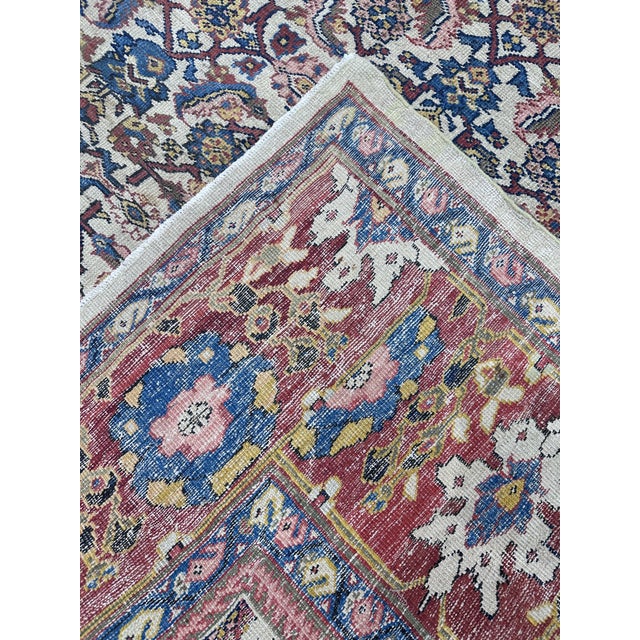
- Good Condition, Original Condition Unaltered, Some Imperfections
- Color
- Brown
- Condition Notes
- Good Good less
Starting at 25% Off
Sale Ends September 8th, 2026 - Shop Now
Questions about the item?
Returns & Cancellations
Return Policy - All sales are final 48 hours after delivery, unless otherwise specified in the description of the product.
Cancellation Policy - Prior to shipping or local pickup, buyers may cancel an order for up to 48 hours, unless otherwise specified.
Related Collections
- Bamboo Fabric Rugs
- Louis XVI Rugs
- Cashmere Rugs
- Josef Albers Rugs
- Seagrass Rugs
- Classical Greek Rugs
- Beaux-Arts Rugs
- Rugs in New York
- Rugs in Chicago
- Persian Rugs
- Moroccan Rugs
- Scandinavian Rugs
- Rugs in Los Angeles
- Art Nouveau Rugs
- Karastan Rugs
- Rugs in Dallas
- Art Deco Rugs
- Spanish Rugs
- Rugs in Washington DC
- Rugs in San Francisco
- Early American Rugs
- French Rugs
- Rugs in Philadelphia
- Southwestern Rugs
- Khotan Rugs