






Details
Description
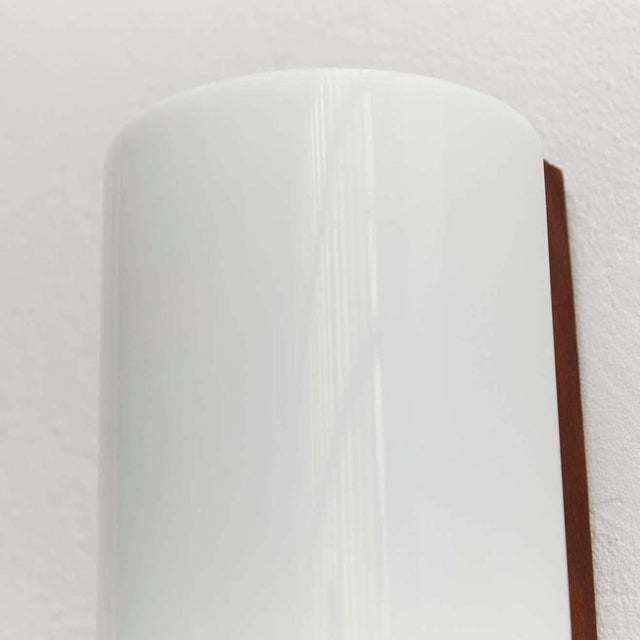
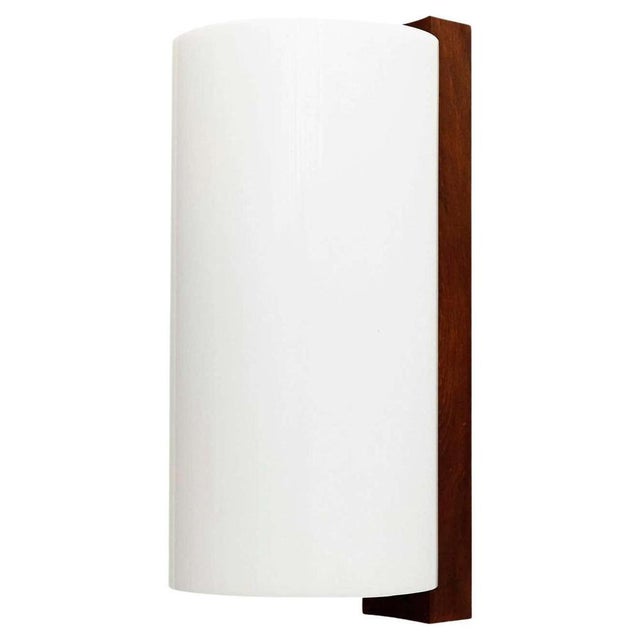
Aplique lamp designed by miguel mila´. Manufactured by tramo (spain), 1960s. Wood structure and plastic lampshade. In good original condition, …
Read more
Aplique lamp designed by miguel mila´. Manufactured by tramo (spain), 1960s. Wood structure and plastic lampshade. In good original condition, with minor wear consistent with age and use, preserving a beautiful patina. Miguel mila´represents like no other person spanish contemporary design. He belongs to the pioneer's generation of the 1950s and has seen how many of his pieces of furniture and lamps have become real classics. Miguel mila´was born in a catalan aristocratic family with strong links with the artistic world (his ancestors assigned the mila´house, also known as la pedrera, to gaudi´) and started working as an interior designer in the architecture studio of his brother alfonso mila´and federico correa. It was the end of the 1950s, a time of crisis when spain hardly knew what industrial design was. There was practically no industry, everything was generally handmade. This framework marked the way miguel mila´ understood design, being sensitive to the pleasure of touching and closer to traditional techniques. Despite the shortage of objects, means and raw materials of the time, miguel mila´started designing lamps and furniture, that he soon manufactured in his own company, tramo. Miguel mila´set up this company with two friends, architects f. Ribas barange´ and e. Pe´rez ullibari. This is how miguel mila´got involved with industrial design. Out of tramo, apocopation of trabajos molestos (annoying works, that is, all the things little brothers have to do), many projects came out. For instance, he developed the previous versions of the famous tmc and tmm lamps (1958 and 1961), timeless classic designs that are still selling nowadays. Some time after, he set up his own industrial and interior design studio. Miguel mila´participated with the designers and architects of that period in the first meetings in barcelona to discuss on modernity in architecture, out of which came the question of how to promote design and implant its professional practice. These meetings culminated in the foundation of the adi-fad, together with antoni de moragas, andre´ ricard, bohigas, cirici pellicer, manel cases and rafael marquina. From its beginnings, this association sought to foster spanish design abroad, and to make a connection between young spanish professionals and international design. "i am in reality a pre-industrial designer- has mila´stated. I feel more comfortable with the technical procedures that allow correcting failures, experimenting during the process, and controlling it to the maximum. That is where my preference for noble materials comes from, the preference for materials that know how to age." this is the case, among others, of the wooden cesta lamps (1964), the reed manila lamp (1961); the m68 lamp, made out of aluminium (1968); or the lamp series americana with natural linen shades. After a period of silence that coincided with the crazy postmodern 1980s, during which he focused on designing interior spaces and exhibitions, he took up his industrial designing projects again, with a more modern and rationalist language, and applied it to urban design. The neoroma´ntico bench (1995) is a clear example of this, being a bench that in a few year has become usual in urban sceneries. To this first bench have followed the neoroma´ntico pata liviana (2000) and the neoroma´ntico aluminio pata liviana (2002). Miguel mila´has come to be a classic figure in design. In fact, he almost represents the history of catalan modern design. His work has focused on bringing tradition up to date: many of his products have overcome the circumstances under which they were made, and are still selling nowadays, "thanks to having been born at a time when rigor and honesty were high values", states mila´. In 1987, he was awarded with the premio nacional de disen~o and in 2008 reward the compasso d'oro in recognition of his career history and his contribution to the promotion of spanish design. This piece is attributed to the mentioned designer/maker. It has no attribution mark and no
official proof of authenticity,
however it is well documented in design history. I take full responsibility for any authenticity
issues arising from misattribution,
up to 250v (europe/uk standard).the wiring of this item may be original and might need replacement, if not specified otherwise.
See less
- Dimensions
- 5.91ʺW × 5.91ʺD × 13.39ʺL
- Period
- 1960s
- Country of Origin
- Spain
- Item Type
- Vintage, Antique or Pre-owned
- Materials
- Plastic
- Wood
- Condition
- Good Condition, Unknown, Some Imperfections
- Color
- White
Returns & Cancellations
Return Policy - All sales are final 48 hours after delivery, unless otherwise specified in the description of the product.
Cancellation Policy - Prior to shipping or local pickup, buyers may cancel an order for up to 48 hours, unless otherwise specified.
Related Collections
- Brass Light Gallery Sconces and Wall Lamps
- Italian Murano Sconces and Wall Lamps
- Gold-Plate Sconces and Wall Lamps
- Jules Wabbes Sconces and Wall Lamps
- Safavieh Sconces and Wall Lamps
- Archimede Seguso Sconces and Wall Lamps
- Marie Flanigan Sconces and Wall Lamps
- Gotham Lighting Sconces and Wall Lamps
- Glass Murano Sconces and Wall Lamps
- Italian Murano Glass Sconces and Wall Lamps
- Spanish Sconces and Wall Lamps
- Murano Glass Sconces and Wall Lamps
- Plaster Sconces and Wall Lamps
- Restoration Hardware Sconces and Wall Lamps
- Mid-Century Modern Sconces and Wall Lamps
- Plug In Wall Sconces
- French Sconces and Wall Lamps
- Art Deco Sconces and Wall Lamps
- Italian Sconces and Wall Lamps
- Tole Sconces and Wall Lamps
- Swing Arm Wall Lights
- Hollywood Regency Sconces and Wall Lamps
- Brass Sconces and Wall Lamps
- Lightolier Sconces and Wall Lamps
- Gothic Sconces and Wall Lamps