

Details
Description
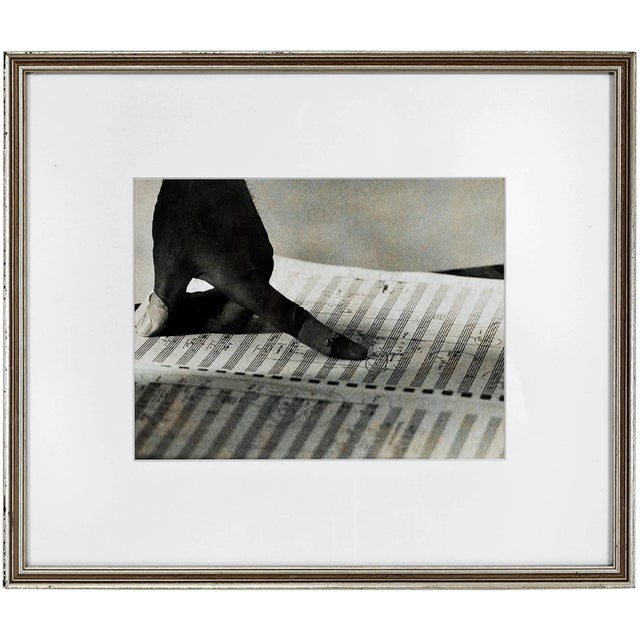
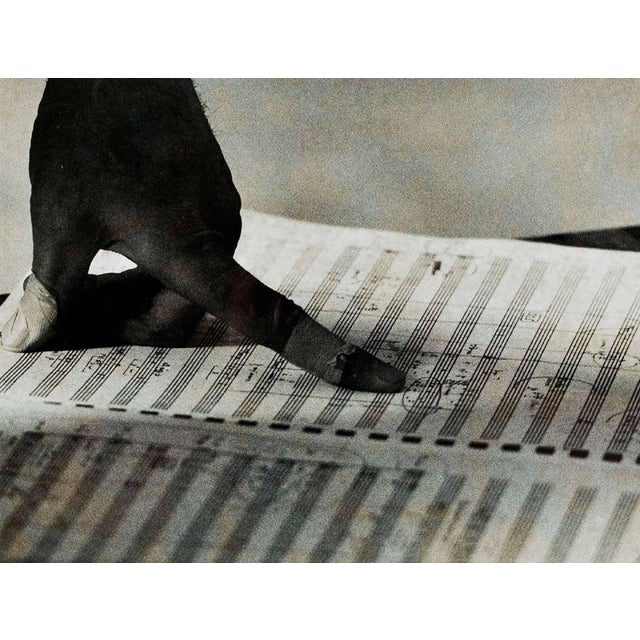
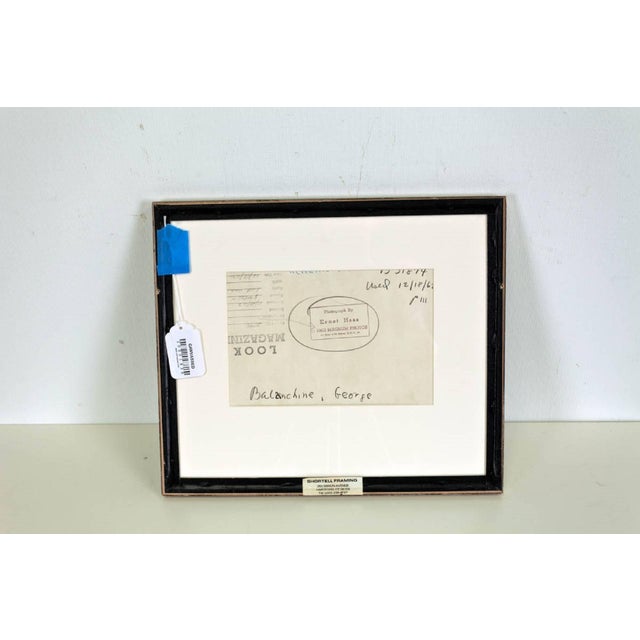
Framed Dimensions (inches): 14.5" x 16.5" Ernst Haas (1921–1986) is acclaimed as one of the most celebrated and influential photographers … Read more Framed Dimensions (inches): 14.5" x 16.5" Ernst Haas (1921–1986) is acclaimed as one of the most celebrated and influential photographers of the 20th century and considered one of the pioneers of color photography. Haas was born in Vienna in 1921, and took up photography after the war. At the invitation of Robert Capa, Haas joined Magnum in 1949, developing close associations with Capa, Henri Cartier-Bresson, and Werner Bischof. His images were disseminated by magazines like Life and Vogue and, in 1962, were the subject of the first single-artist exhibition of color photography at New York's Museum of Modern Art. He served as president of the cooperative Magnum Photos, and his book The Creation (1971) was one of the most successful photography books ever, selling 350,000 copies. A Poet’s Camera (1949), which combined poetry with metaphoric imagery by artists like Edward Weston, was particularly important to Haas's early development. Unsure of his career path, Haas realized that photography could provide both a means of support and a vehicle for communicating his ideas. He obtained his first camera in 1946, at the age of 25, trading a 20-pound block of margarine for a Rolleiflex on the Vienna black market. In 1954 Robert Capa, Magnum's first president, was killed while on assignment covering the First Indochina War. That same year, Werner Bischof died in a car accident in the Andes. Following their deaths, Haas was elected to Magnum's board of directors and traveled to Indochina himself to cover the war. After the death of David “Chim” Seymour in Suez in 1959, Haas was named the fourth president of Magnum. In 1962 the Museum of Modern Art in New York presented a ten-year survey of Haas's color photography. Haas had been included in Edward Steichen's exhibition The Family of Man, which premiered in 1955 and traveled to 38 countries. In addition to editorial journalism and unit stills work, Haas was also highly regarded for advertising photography, contributing groundbreaking campaigns for Volkswagen automobiles and Marlboro cigarettes, among other clients. Haas also taught frequently at photography workshops, including the Maine Photographic Workshops, the Ansel Adams Workshop in Yosemite National Park, and the Anderson Ranch Arts Center near Aspen, Colorado. In 1958, Haas was listed as one of the 10 greatest photographers in the world by Popular Photography magazine, along with Ansel Adams, Richard Avedon, Henri Cartier-Bresson, Alfred Eisenstadt, Philippe Halsman, Yousuf Karsh, Gjon Mili, Irving Penn, and W. Eugene Smith. He won the Hasselblad Award just before his death. Selected awards Hasselblad Photographer of the Year, 1986 Leica Medal of Excellence: Master of Photography, 1986 Selected Collections Royal Society of Photography, Bath, UK Museum of Fine Arts, Boston, Massachusetts, US Museum Ludwig, Cologne, Germany Erna and Victor Hasselblad Foundation, Goteborg, Sweden The National Museum of Art, Kyoto, Japan International Center of Photography, New York, US The Metropolitan Museum of Art, New York, US The Museum of Modern Art, New York, US International Museum of Photography at the George Eastman House, Rochester, New York, US National Museum of Art, Tokyo, Japan Museum Modern Kunst, Vienna, Austria Corcoran Gallery of Art, Washington, D.C., US National Portrait Gallery, Washington D.C., US See less
Questions about the item?
Returns & Cancellations
Return Policy - All sales are final 48 hours after delivery, unless otherwise specified in the description of the product.
Cancellation Policy - Prior to shipping or local pickup, buyers may cancel an order for up to 48 hours, unless otherwise specified.