

Details
Description
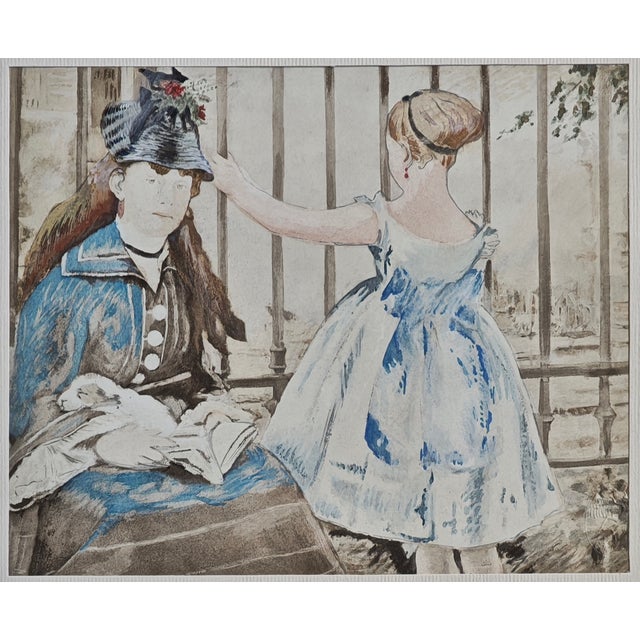
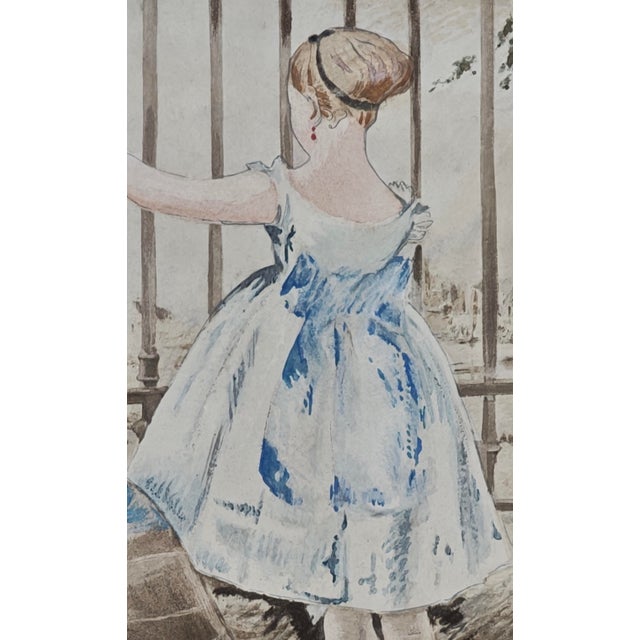
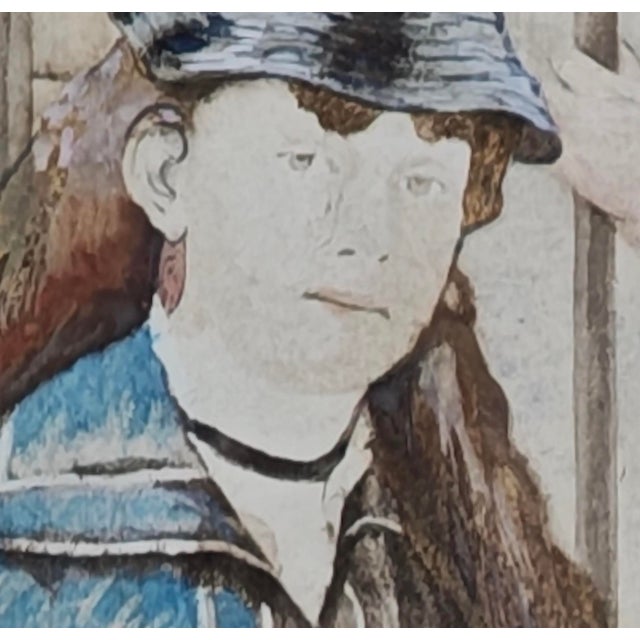
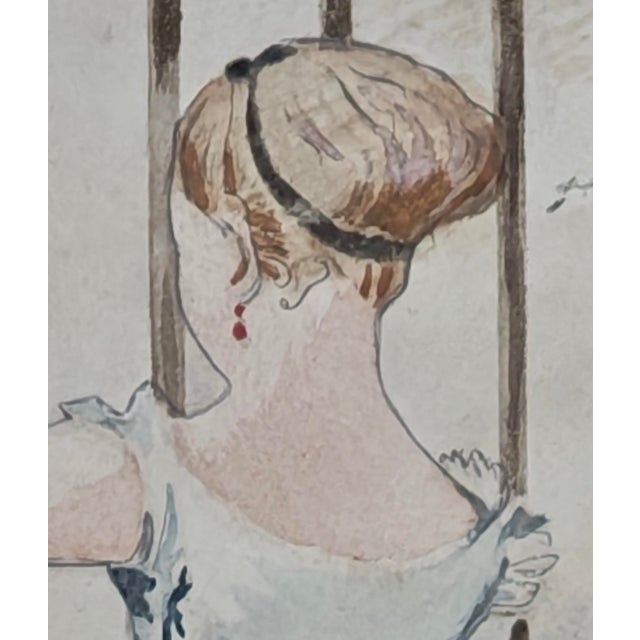
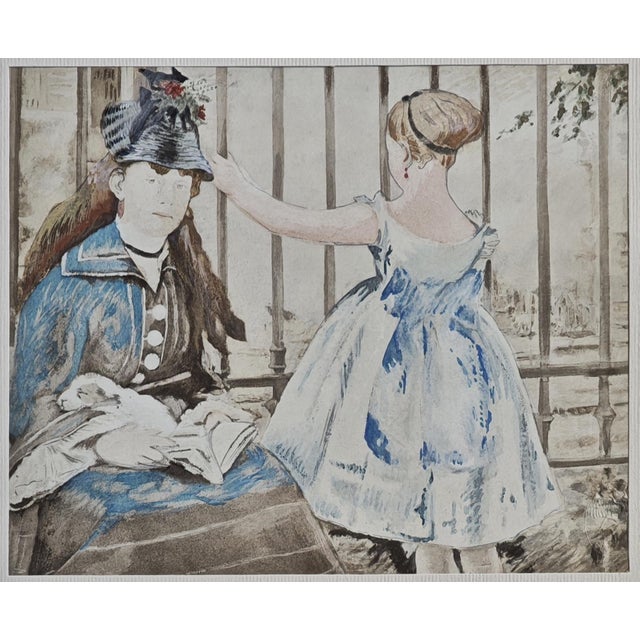
A lithograph after Edouard Manet from "Die Skizzenmappe - Zeichnungen französischer Meister des neunzehnten Jahrhunderts" portfolio with text by Julius …
Read more
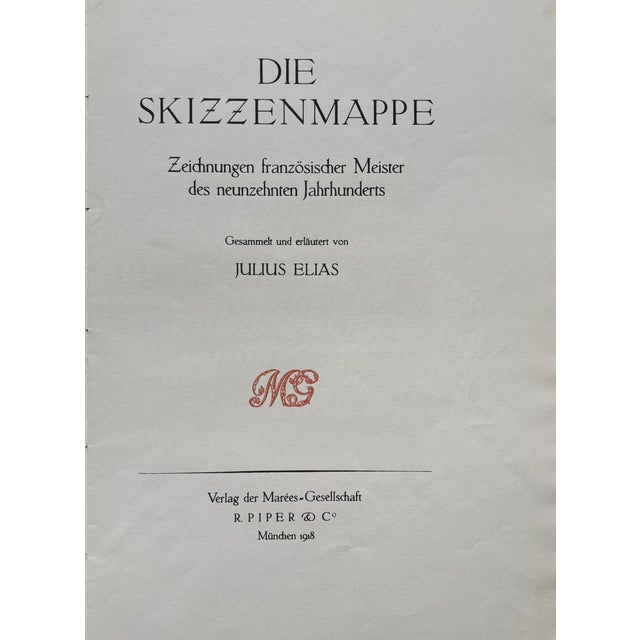
A lithograph after Edouard Manet from "Die Skizzenmappe - Zeichnungen französischer Meister des neunzehnten Jahrhunderts" portfolio with text by Julius Elias, published by Marees-Gesellschaft in Munich in 1911-1918, one year before the Van Gogh portfolio, in an edition of 100 only. The portfolio consisted of 70 lithographic reproductions of drawings and watercolors by Edouard Manet, Berthe Morisot, Claude Monet, Camille Pissarro, Alfred Sisley, Armand Guillaumin, Edgar Degas, Henri de Toulouse-Lautrec, George Seurat, Paul Signac, Auguste Renoir, Paul Cézanne, Pierre Bonnard, Edouard Vuillard, Vincent Van Gogh, Paul Gauguin and Auguste Rodin.
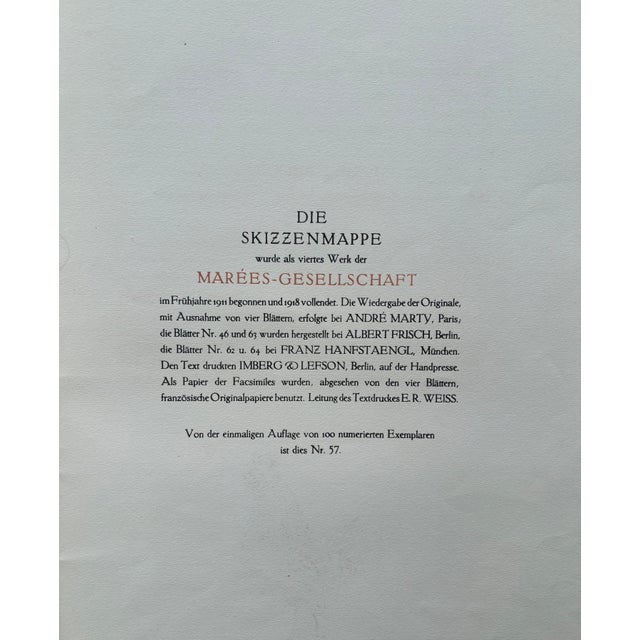
As stated in the colophon, it took the publisher 7 years to complete the series.
The artwork is accompanied by a copy of the colophon.
Edouard Manet (1832-1883), after
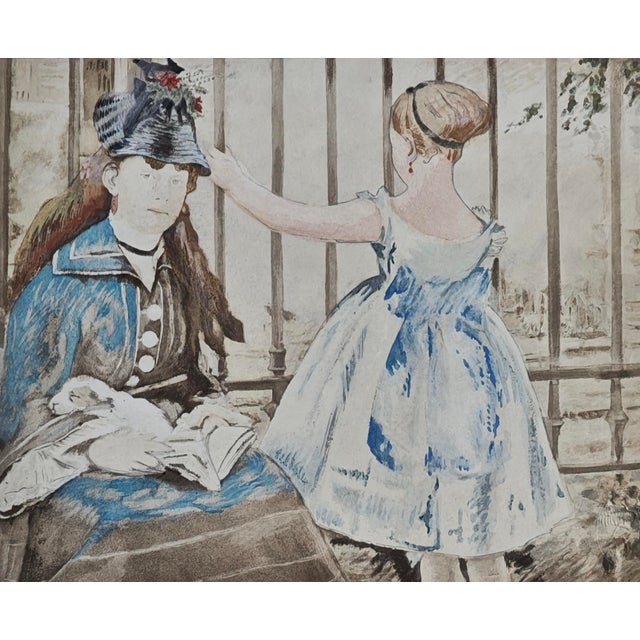
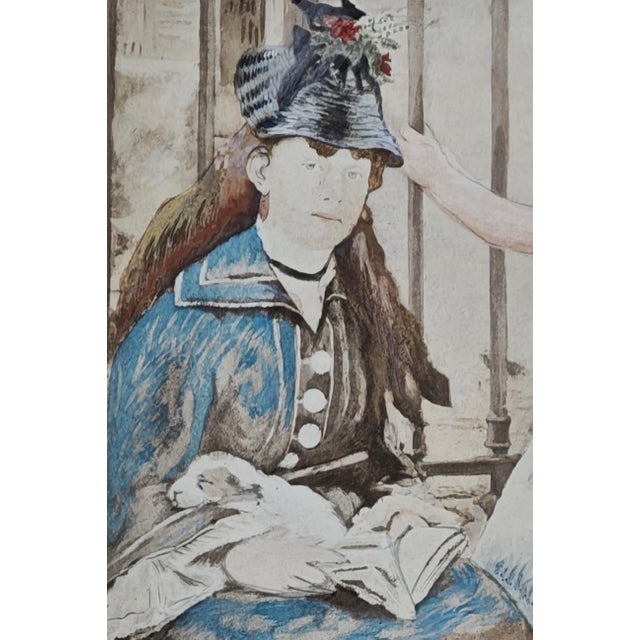
"Gare St.-Lazare" (St. Lazare Railway)
Colour Lithograph
Year (conceived): 1873
Year (printed): 1918
Edition: 57/100
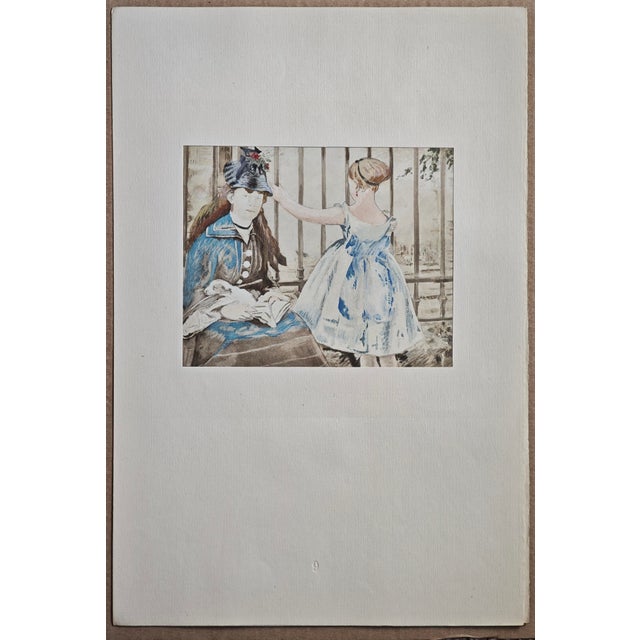
Size (overall): 480 x 322 mm
Size of the image: 189 x 223 mm
in the original passepartout, blind-numbered 9
Blind seal of the publisher, lower right corner
Numbered 57 on the colophon, from an overall edition of 100
Printer: André Marty
Publisher: Marées-Gesellschaft, R. Piper & Co., München, 1918
Excellent condition (few signs of age in the passepartout)
Sold with Certificate This piece has an attribution mark,
I am sure that it is completely authentic and take full responsibility for any authenticity
issues arising from misattribution
See less
- Dimensions
- 12.6ʺW × 18.9ʺH
- Art Subjects
- Figure
- Period
- Early 20th Century
- Country of Origin
- Germany
- Item Type
- Vintage, Antique or Pre-owned
- Materials
- Paper
- Condition
- Good Condition, Original Condition Unaltered, Some Imperfections
- Color
- Condition Notes
- Excellent — This vintage piece is in near original condition. It may show minimal traces of use and/or have slight … moreExcellent — This vintage piece is in near original condition. It may show minimal traces of use and/or have slight restorations\. A few signs of age in the passepartout less
Returns & Cancellations
Return Policy - All sales are final 48 hours after delivery, unless otherwise specified in the description of the product.
Cancellation Policy - Prior to shipping or local pickup, buyers may cancel an order for up to 48 hours, unless otherwise specified.
Related Collections
- Patrick Nagel Reproduction Prints
- Hable Reproduction Prints
- William Hogarth Reproduction Prints
- Reproduction Prints in Panama City, FL
- Sister Parish Reproduction Prints
- Lauren Ralph Lauren Reproduction Prints
- Leather Reproduction Prints
- Edward S. Curtis Reproduction Prints
- Mark D. Sikes Reproduction Prints
- Dorothy Draper Reproduction Prints
- Gold-Plate Reproduction Prints
- Port 68 Reproduction Prints
- Jute Reproduction Prints
- Joshua Reynolds Reproduction Prints
- Sam Francis Reproduction Prints
- William Gropper Reproduction Prints
- Jonathan Adler Reproduction Prints
- Alvar Aalto Reproduction Prints
- Polychrome Reproduction Prints
- Ralph Lauren Reproduction Prints
- Ralph Lauren Home Reproduction Prints
- Serena and Lily Reproduction Prints
- Utagawa Kunisada (Toyokuni Iii) Reproduction Prints
- Daylight Dream Editions Reproduction Prints
- Reproduction Prints in Mobile