Details
Description
Salvador dali (1904-1989)
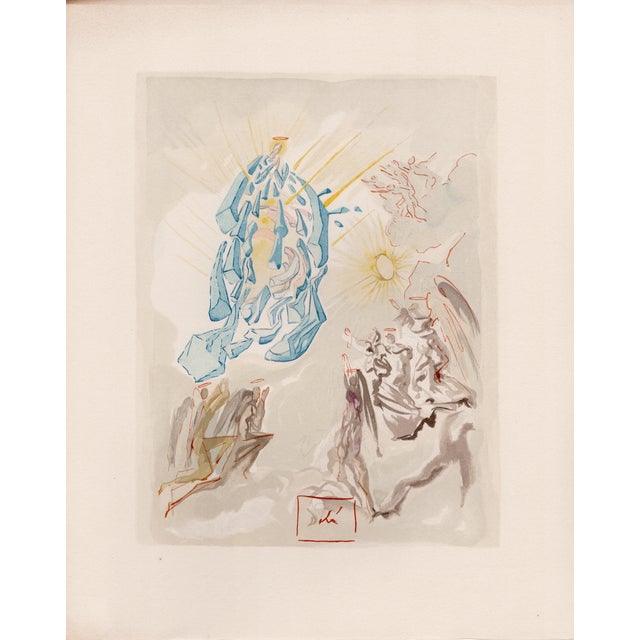
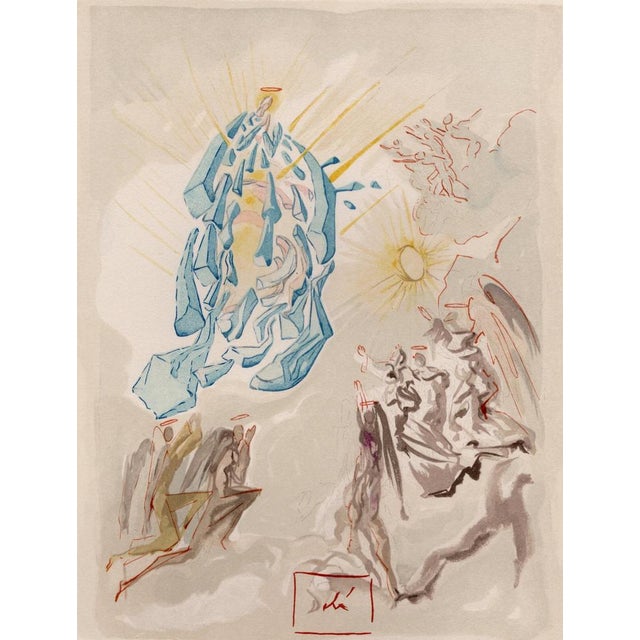
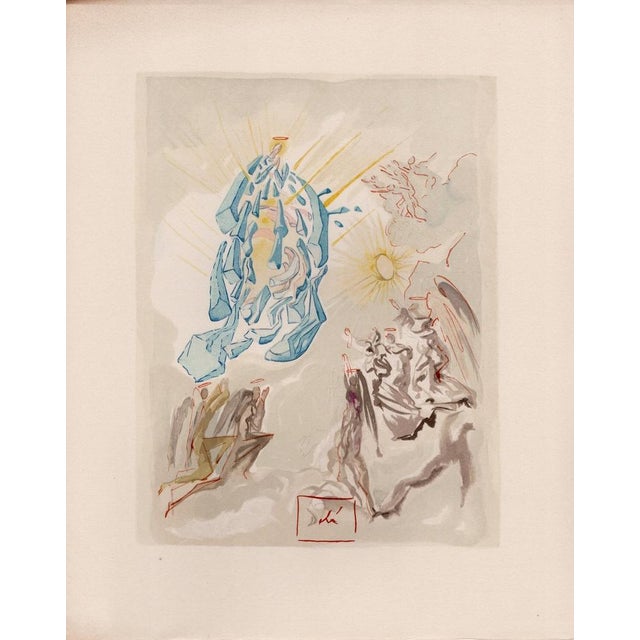
apoteosi di maria
(apotheosis of mary)
plate 24 from "la divina commedia" (the divine comedy), referring to …
Read more
Salvador dali (1904-1989)
apoteosi di maria
(apotheosis of mary)
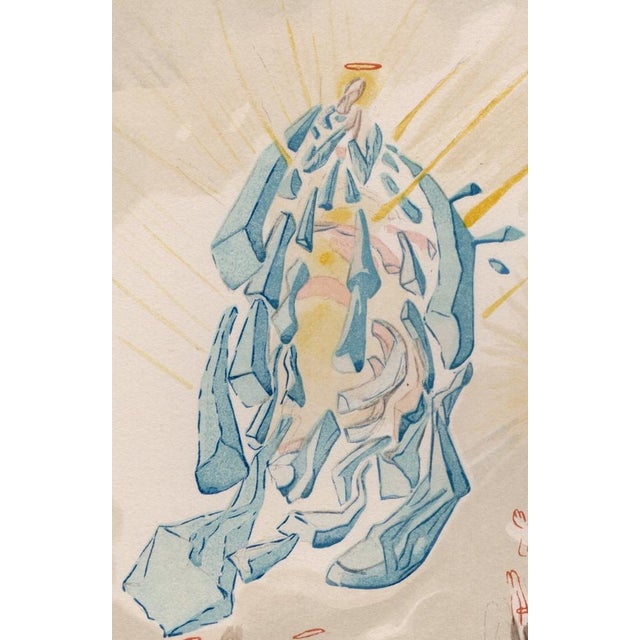
plate 24 from "la divina commedia" (the divine comedy), referring to paradise, chant 23
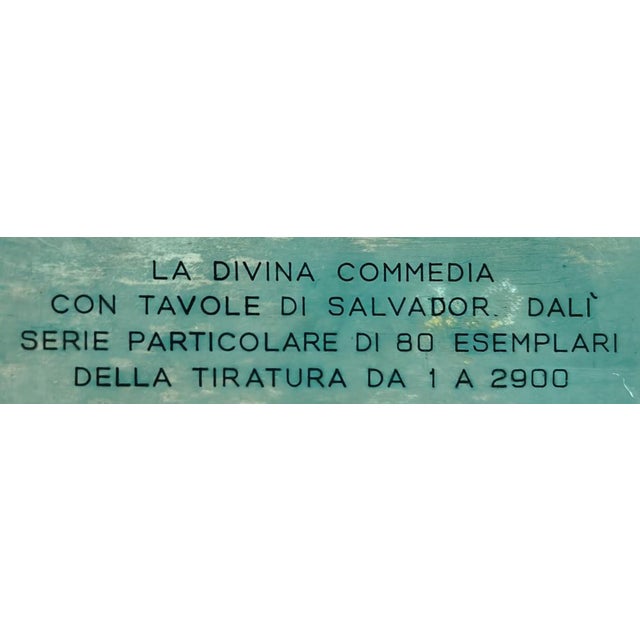
from the special italian edition of only 80 (out of a total edition of 2900) - see the image of the plaque attached to the portfolio
original colour woodcut on rives paper
executed in paris for the italian publisher, under the direction of master printer raymond jacquet for the italian edition
year: 1964
33 x 26 cm
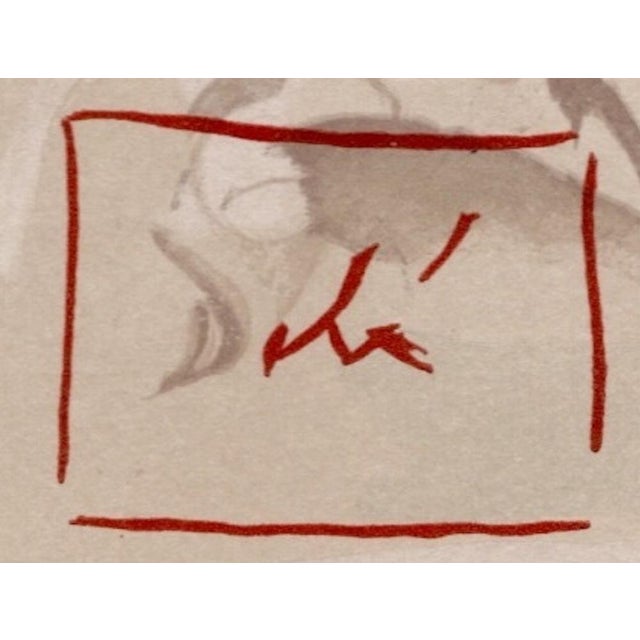
signed in the plate
on the back: "paradiso tav. 24" (paradise, plate 24)
catalogue raisonné:
r.michler and l. W. Löpsinger
"salvador dali, catalogue raisonné of prints ii - lithographs and wood engravings 1956-1980" ref. 1131
great condition: full size (no trimming), never framed, minimal traces of time near the edges, original deckle bottom edge, no restoration
with certificate
important
plate signed: most of woodcuts from the divine comedy are unsigned, only the ones from special editions are signed (in the plate)
___
this very artwork refers to paradise, chant 23, verses 109-111:
così la circulata melodia
si sigillava, e tutti li altri lumi
facean sonare il nome di maria.
such close was to the circling melody:
and, as it ended, all the other lights
took up the strain, and echoed mary’s name.
(translator: reverend henry francis cary)
___
the complex history of dali's divine comedy
in 1950, preparing to commemorate the 700th anniversary of dante alighieri's birth, the italian government commissioned the great catalan surrealist painter salvador dalí to illustrate the one hundred cantos of the divine comedy. The artist immediately began work on one hundred watercolours, to be published by the istituto poligrafico dello stato.
the work was monumental: dalí was forced to employ two engravers who for five years hand-carved the 3,500 blocks of wood needed for the woodcuts. The illustrations were presented on may 14, 1954.
the decision to entrust the illustrations for the divine comedy to a non-italian artist sparked heated controversy, and soon the change of government provided the opportunity to revoke the contract.
having regained possession of the watercolours, salvador dalí sold them in 1959 to the french publisher joseph foret, who published them in paris the following year.
the watercolours were not published in italy until 1964: at the scuola grande di san teodoro in venice, the publishers adriano salani of florence and arti e scienze of rome organised an international art book exhibition, presenting the italian edition of the divine comedy illustrated by dalí.
___
dali's comedy: between art and psychoanalysis
in the divine comedy, dalí traces his artistic evolution, from the surrealism of the inferno to the mysticism of the paradiso, illustrating the text with his own symbolic alphabet and distancing himself from any previous figurative interpretation, as the artist explains:
"when they ask me why i embellished hell with light colours, i reply that romanticism perpetrated the ignominy of making people believe that hell was as black as gustave doré's coal mines where nothing can be seen. All this is false. Dante's inferno is illuminated by the sun and honey of the mediterranean, and that is why the terrors of my illustrations are analytical and super-gelatinous, with their angelic viscosity".
according to critics, dalí illustrates dante's journey through hell, purgatory, and paradise by reinterpreting dante's journey from a psychoanalytic perspective, placing a particularly significant character or event from the canto at the center of each panel. The representation is dreamlike and irreverent: hell, purgatory, and paradise emerge suspended between dream and reality, in a single masterpiece, in which the elegance of the line is combined with a masterful use of color. The figuration is ironic, grotesque, and imaginative in the depictions of hell and purgatory, while the representations of beatrice are delicate and celestial, as if the artist were on an imaginary journey within himself. The journey into dante's afterlife is thus interpreted in a metaphysical and psychological key, masterfully blending the deepest meaning of the divine comedy with the artistic flair of salvador dalí, who maintains dante's dreamy atmosphere while adding his unmistakable surrealist touch with the famous flaccid figures, crutches, rhinoceros horns, and flying bones. This piece has an attribution mark,
i am sure that it is completely authentic and take full responsibility for any authenticity
issues arising from misattribution
See less
- Dimensions
- 10.24ʺW × 12.99ʺH
- Art Subjects
- Figure
- Period
- 1960s
- Country of Origin
- France
- Item Type
- Vintage, Antique or Pre-owned
- Condition
- Good Condition, Unknown, Some Imperfections
- Color
Returns & Cancellations
Return Policy - All sales are final 48 hours after delivery, unless otherwise specified in the description of the product.
Related Collections
- Ross Bleckner Original Prints
- Tatiana Alida Original Prints
- Greg Copeland Original Prints
- Clay Walker Original Prints
- Raffia Original Prints
- Leonardo Nierman Original Prints
- Spray Paint Original Prints
- Red Grooms Original Prints
- Carrie Bergey Original Prints
- Balmain Original Prints
- Chaim Gross Original Prints
- Gorman Original Prints
- William Meyerowitz Original Prints
- Teak Original Prints
- Botanical Prints
- Japanese Woodblock Prints
- Woodblock Prints
- Bird Prints
- Framed Prints
- Screen Prints
- Black and White Prints
- Thomas McKnight Original Prints
- Classical Greek Original Prints
- Piero Fornasetti Original Prints
- Arthur Secunda Original Prints