

Details
Description
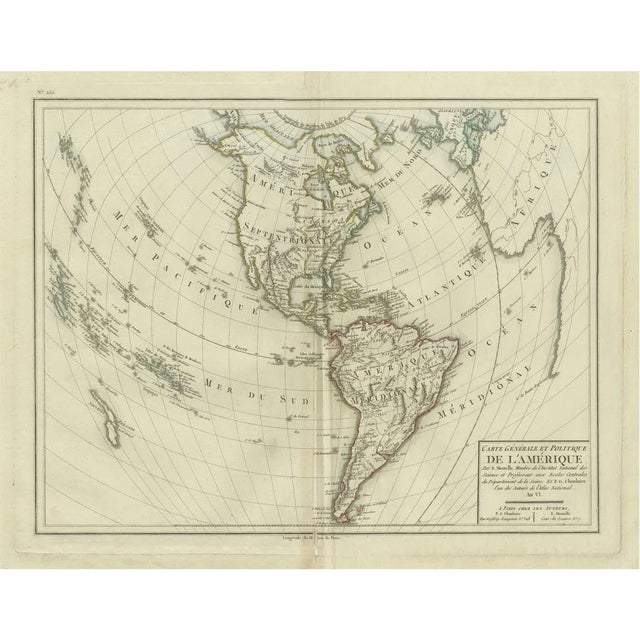
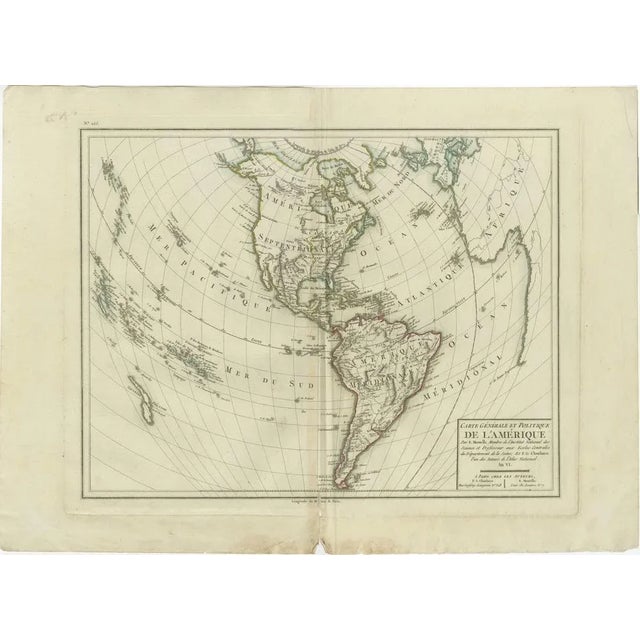
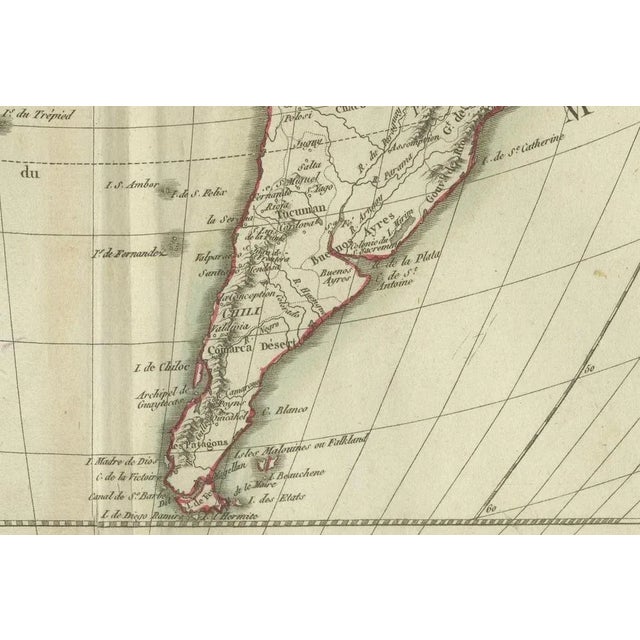
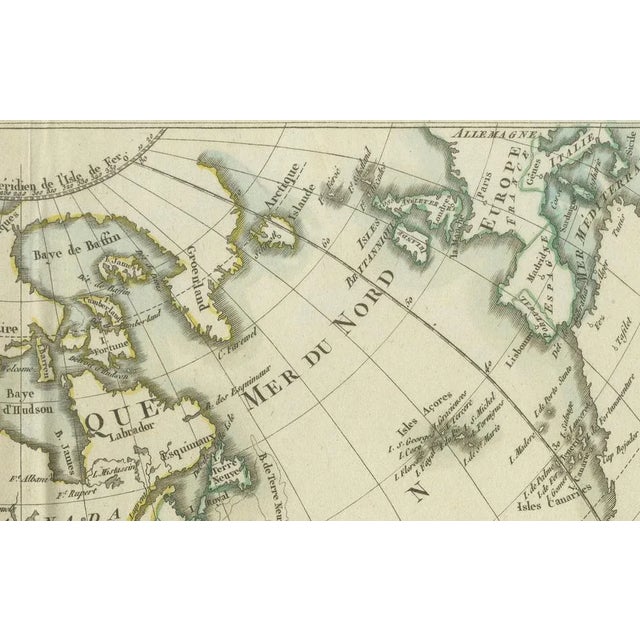
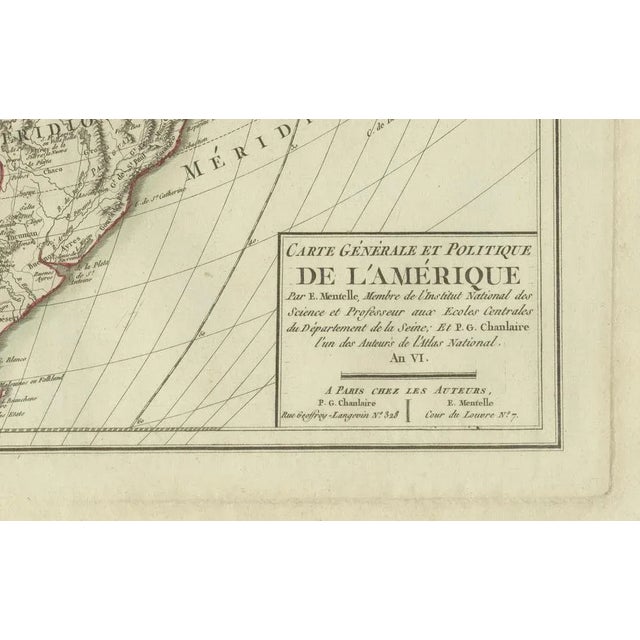
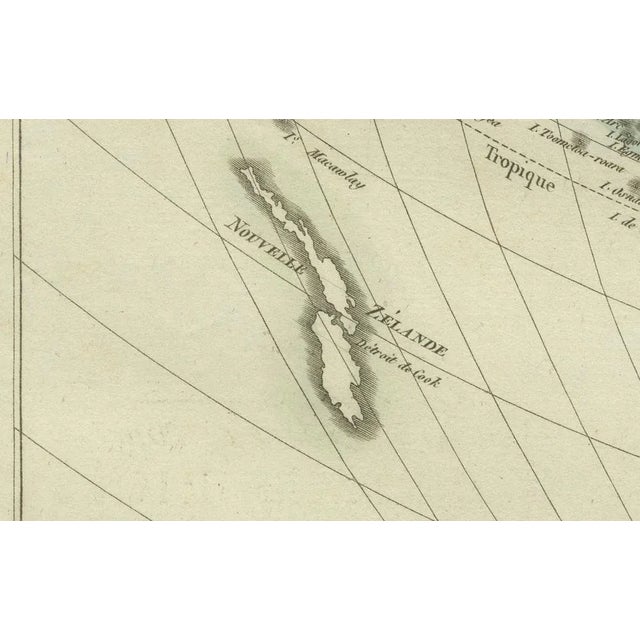
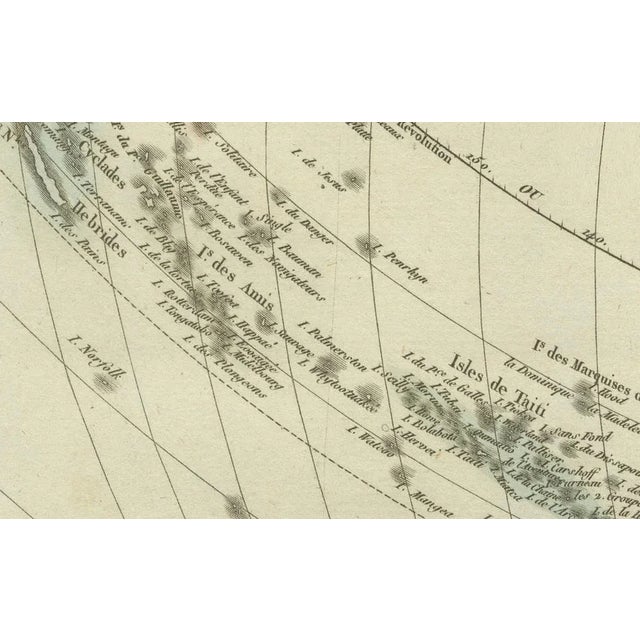
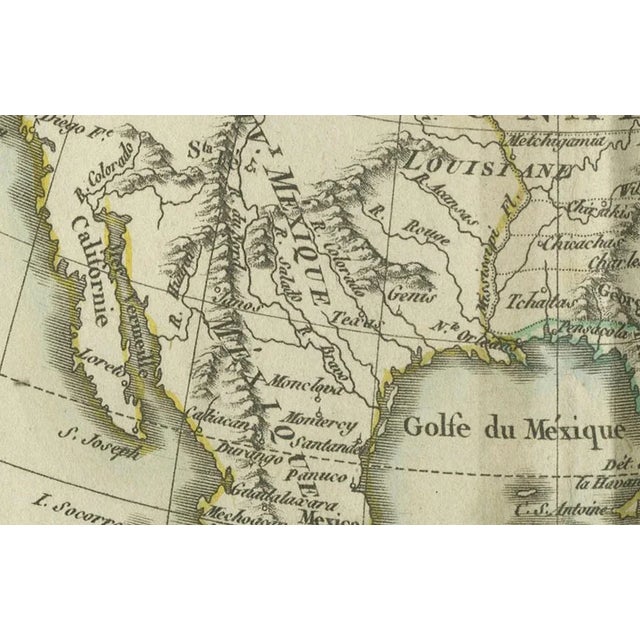
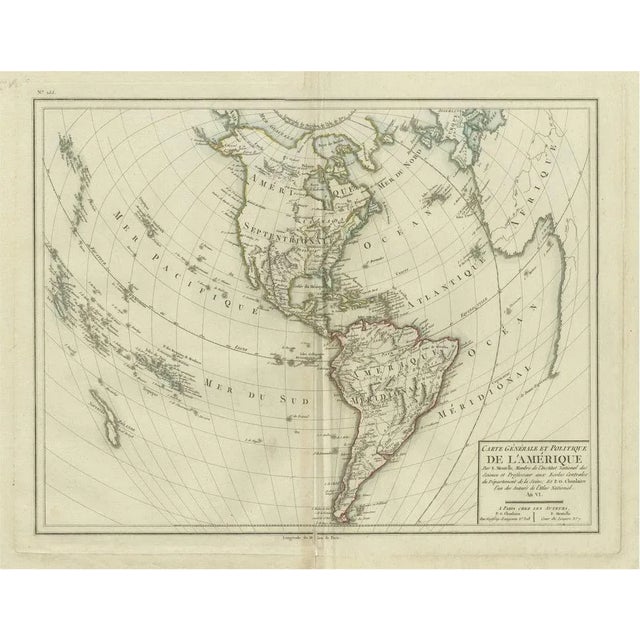
This is an original antique map titled "Carte Générale et Politique de l'Amérique," depicting the political and geographical features of … Read more This is an original antique map titled "Carte Générale et Politique de l'Amérique," depicting the political and geographical features of North and South America. This map, created by Pierre Antoine Tardieu, illustrates the continent's boundaries, major regions, and significant features as understood in the early 19th century. Map Details: - **Title**: Carte Générale et Politique de l'Amérique - **Creator**: Pierre Antoine Tardieu (1784-1869) - **Publication Date**: Early 19th century - **Dimensions**: Approximately 34.5 x 43.5 cm (13.5 x 17.25 inches) - **Features**: The map includes detailed representations of North and South America, highlighting political boundaries, major cities, rivers, and mountain ranges. The title cartouche is located in the lower right corner, and the outlines are hand-colored to distinguish different regions and countries. Condition Overview: 1. Paper Quality: The paper shows typical signs of aging, such as slight yellowing, but remains in good condition without major tears or damage. 2. Edges and Corners: The edges are slightly worn, with minor fraying and small tears, particularly near the center fold. These imperfections do not significantly impact the overall readability or aesthetic value. 3. Center Fold: A center fold is present, which is common for maps of this period that were often folded for storage or publication. The fold appears intact without significant separation or damage, except for a small split at the lower end. 4. Color and Print Quality: The hand-colored outlines remain vibrant and clear, highlighting the borders of different regions. The print quality is excellent, with sharp, legible text and detailed illustrations. 5. Staining and Spots: There are a few spots and stains, particularly near the edges and along the fold. These do not obscure any critical details of the map. Historical Context Around the year 1800, the Americas were a region of significant political change and exploration. Here’s an overview of the region during that period: Political Landscape 1. North America: - United States: The United States was a young nation, having gained independence from Great Britain in 1776. The early 19th century was a period of westward expansion and the establishment of new states. - Canada: Canada was divided into British colonies, including Upper Canada (Ontario) and Lower Canada (Quebec). The British maintained control over these territories following the American Revolution. - Mexico: Mexico was part of the Spanish Empire, known as New Spain. It would gain independence from Spain in 1821. 2. Central and South America: - Spanish Colonies: Much of Central and South America was under Spanish colonial rule. Significant regions included New Granada (Colombia), Peru, and the Viceroyalty of the Rio de la Plata (Argentina). - Portuguese Brazil: Brazil was a Portuguese colony and the largest territory in South America. It would gain independence from Portugal in 1822. - Independence Movements: The early 19th century was marked by independence movements across Latin America, led by figures such as Simón Bolívar and José de San Martín, which resulted in the creation of new nations. 3. Caribbean: - The Caribbean islands were controlled by various European powers, including Spain, France, Great Britain, and the Netherlands. These islands were significant for their sugar plantations and as hubs of the Atlantic slave trade. Socio-Economic Conditions 1. Trade and Commerce: - The Americas were integral to global trade, exporting commodities such as sugar, tobacco, cotton, and coffee. The port cities of Havana, Veracruz, and Buenos Aires were crucial trade centers. - The transatlantic slave trade was a tragic and significant part of the economy, particularly in the Caribbean and southern United States. 2. Agriculture and Resources: - Agriculture was the dominant economic activity, with plantations in the south and central regions producing key exports. - The early 19th century also saw the beginning of the Industrial Revolution's impact on the Americas, with increasing demand for raw materials. Cultural and Social Aspects 1. Diverse Populations: - The population of the Americas was diverse, including Indigenous peoples, European settlers, African slaves, and mixed-race communities. - Cultural exchange and conflict were common as different groups interacted and contested control over territories. 2. Colonial Influence: - European colonial powers influenced the cultural, religious, and social structures of the Americas. Spanish, Portuguese, French, and British customs and governance systems shaped the development of new societies. Conflicts and Changes 1. Independence Wars: - The early 19th century was a period of intense conflict as colonies sought independence from European powers. These wars reshaped the political landscape of the Americas. - The Haitian Revolution (1791-1804) was a significant event, leading to the first successful slave rebellion and the establishment of Haiti as an independent nation. 2. Territorial Expansion: - The United States pursued westward expansion, acquiring new territories through treaties, purchases, and conflicts, such as the Louisiana Purchase (1803) and the War of 1812. Summary The Americas around 1800 were a region of dynamic political change, economic activity, and cultural diversity. The map by Pierre Antoine Tardieu provides a detailed and historically valuable representation of this transformative period, reflecting the geographical and political complexities of North and South America. See less
- Dimensions
- 22.05ʺW × 16.14ʺH
- Period
- Early 19th Century
- Item Type
- Vintage, Antique or Pre-owned
- Materials
- Paper
- Condition
- Good Condition, Unknown, Some Imperfections
- Color
- Gold
- Condition Notes
- Very Good — This vintage item has no defects, but it may show slight traces of use\. Good condition with … moreVery Good — This vintage item has no defects, but it may show slight traces of use\. Good condition with minor age-related wear. Hand-colored boundaries are well-preserved, enhancing the clarity of regions and features. Fold lines as issued with lower end a split. Edge wear due to handling and age visible. Study the images carefully. less
Returns & Cancellations
Return Policy - All sales are final 48 hours after delivery, unless otherwise specified in the description of the product.
Cancellation Policy - Prior to shipping or local pickup, buyers may cancel an order for up to 48 hours, unless otherwise specified.