

Starting at 25% Off
Sale Ends September 8th, 2026 - Shop Now
Details
Description
The History of Late 19th Century Farahan Sarouk Rugs
Origins and Development
Farahan Sarouk rugs are a distinctive type of …
Read more
The History of Late 19th Century Farahan Sarouk Rugs
Origins and Development
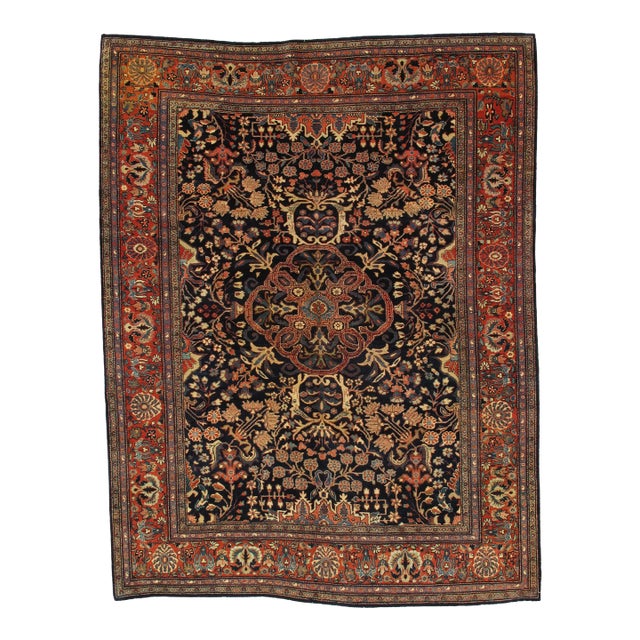
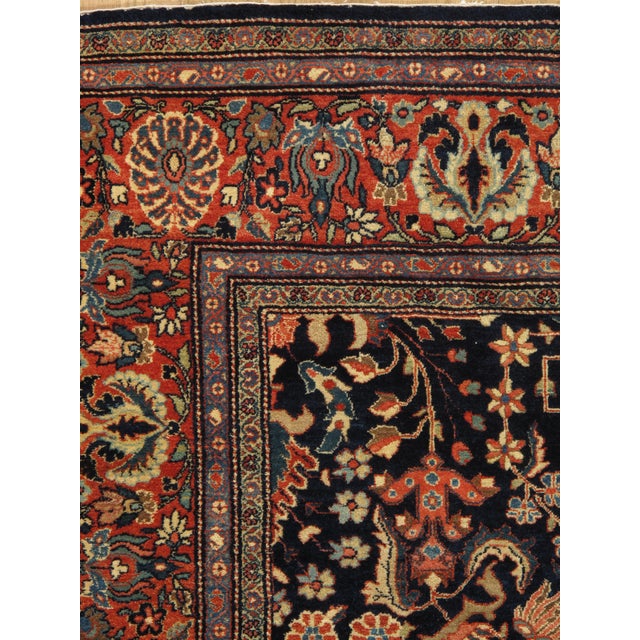
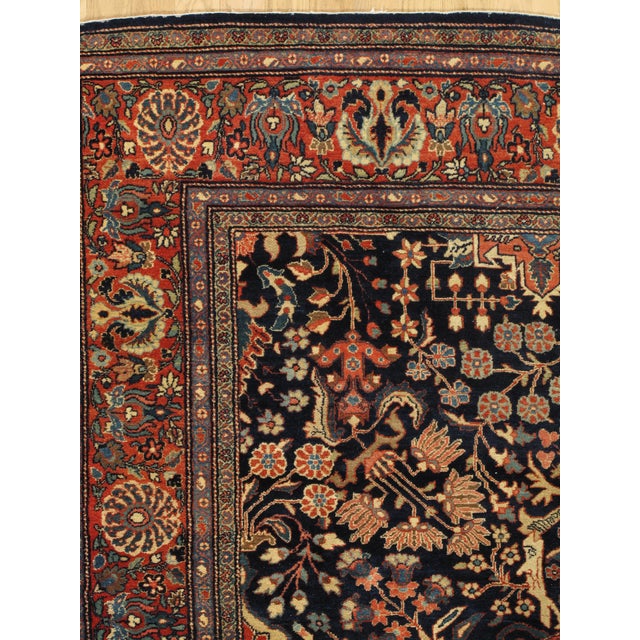
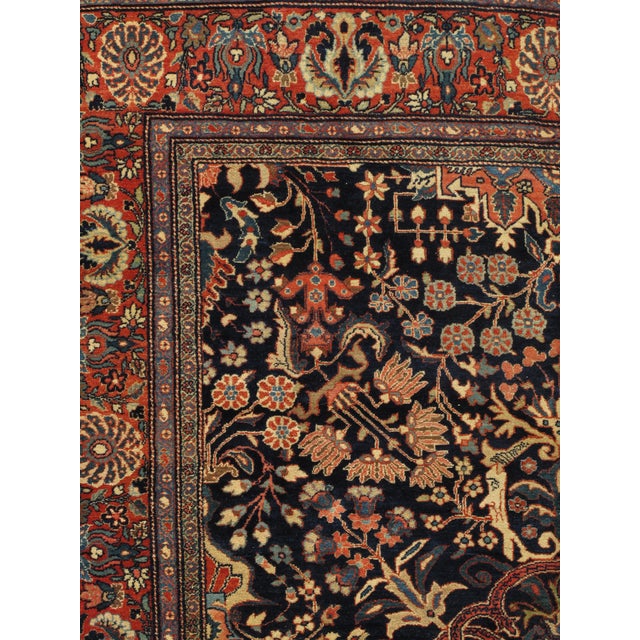
Farahan Sarouk rugs are a distinctive type of Persian carpet that gained prominence in the late 19th century. These rugs are named after the Farahan region in Iran, which is part of the larger Sarouk region, known for its rich tradition of rug weaving. The area’s rugs are celebrated for their quality, craftsmanship, and unique aesthetic qualities.
During the late 19th century, the Persian rug industry experienced significant changes. The introduction of industrialization and the expansion of trade routes began to influence traditional weaving practices. Despite these changes, Farahan Sarouk rugs managed to retain their traditional charm and high-quality craftsmanship.
Design and Craftsmanship
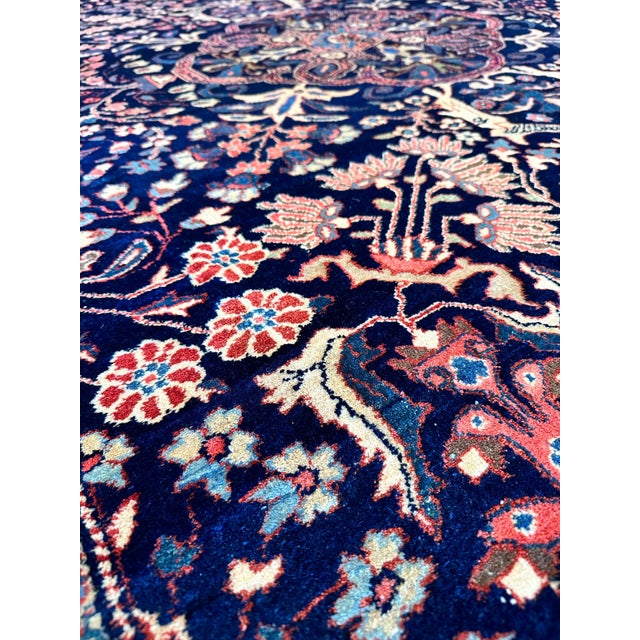
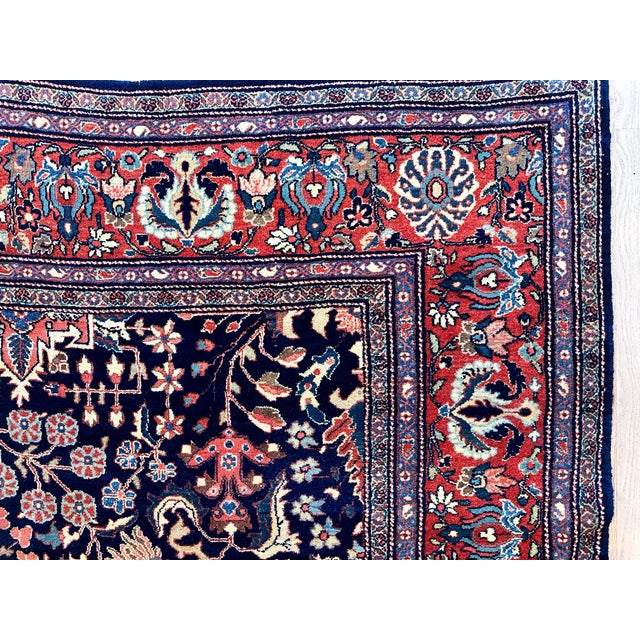
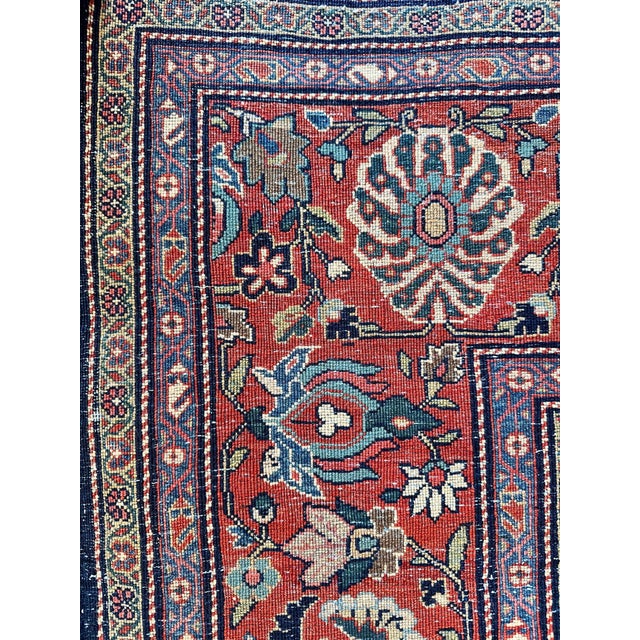
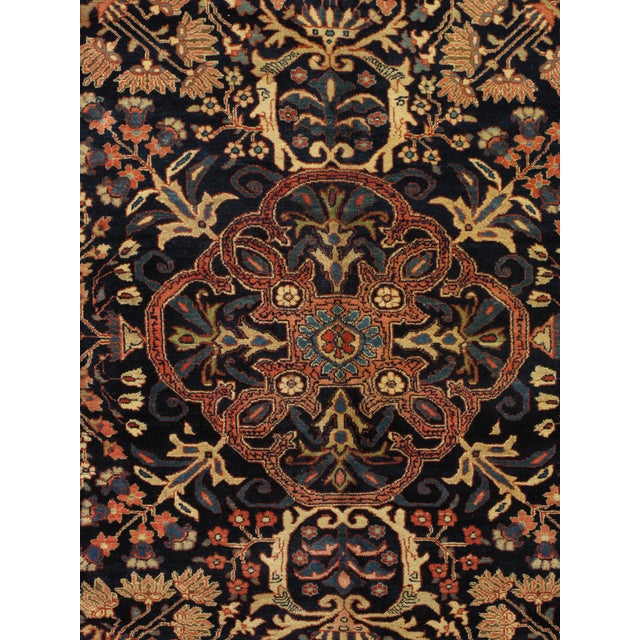
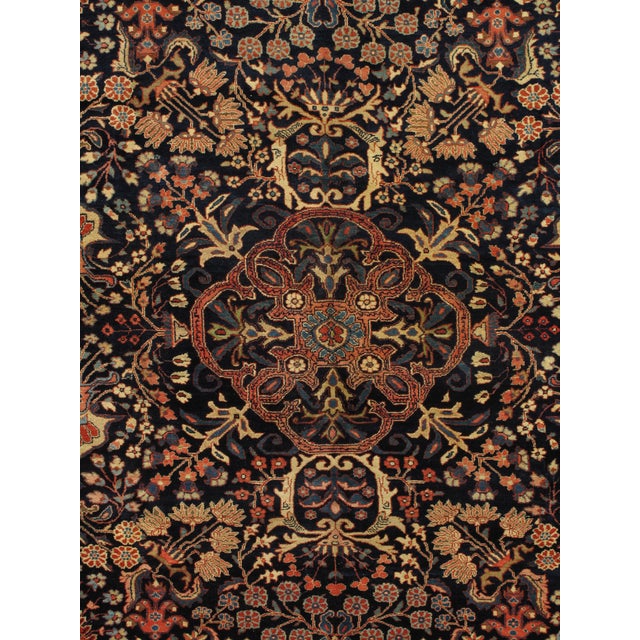
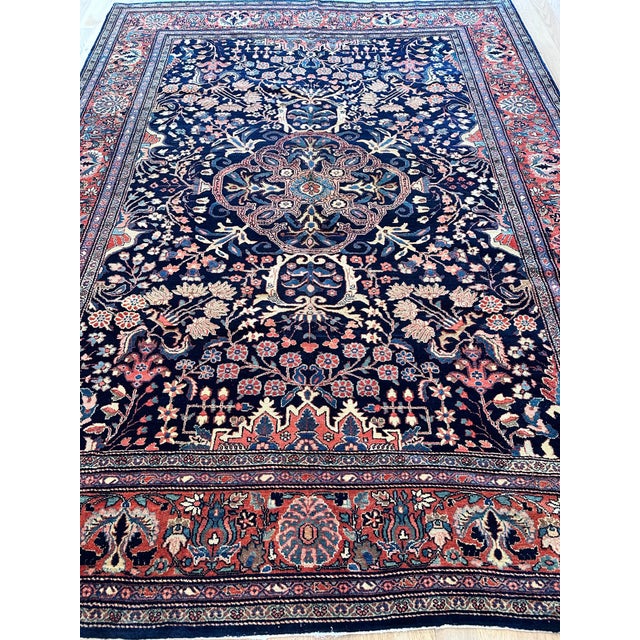
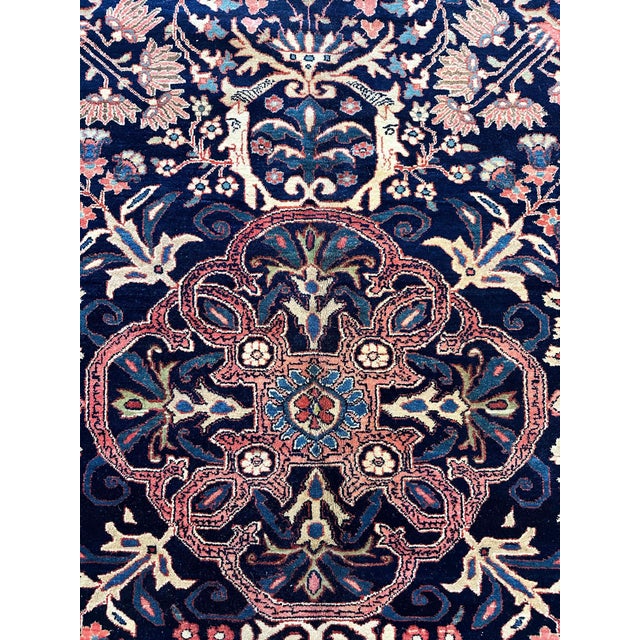
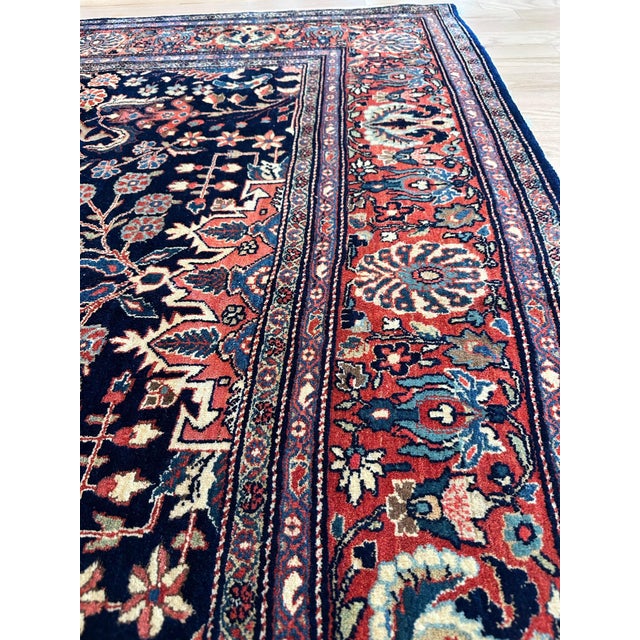
Farahan Sarouk rugs are known for their distinctive designs, which typically feature intricate patterns and rich colors. The designs often include floral motifs, medallions, and geometric patterns. The rugs are handwoven using high-quality wool, which is dyed using natural pigments. This results in a dense, durable pile with vibrant, lasting colors.
The weavers of Farahan Sarouk rugs employ a knotting technique known as the "Persian knot," which contributes to the rug’s durability and intricate detailing. The craftsmanship is highly skilled, with weavers spending months on a single rug to ensure the highest quality.
Cultural and Economic Impact
In the late 19th century, Persian rugs, including Farahan Sarouks, began to gain international recognition. The increasing demand for Persian rugs in European and American markets helped elevate the status of these handcrafted pieces. As a result, the Farahan Sarouk rugs became symbols of luxury and sophistication.
This period also marked a shift in the rug market, as many Persian rugs were being produced for export rather than purely local use. The Farahan Sarouk rugs, with their high-quality materials and craftsmanship, became highly sought after by collectors and connoisseurs around the world.
Legacy
Today, Farahan Sarouk rugs from the late 19th century are highly prized by collectors and enthusiasts. Their historical significance, combined with their exceptional craftsmanship and aesthetic appeal, makes them valuable artifacts of Persian rug-making heritage.
The legacy of Farahan Sarouk rugs continues as they are celebrated not just for their beauty, but for their role in the broader history of Persian rug weaving. They represent a blend of traditional craftsmanship and the evolving dynamics of the global market in the late 19th century.
See less
- Dimensions
- 7′ × 9′ and 0.5″ thick
- Styles
- Traditional
- Rug Construction
- Hand Knotted
- Pattern
- Medallion/Crest
- Period
- Late 19th Century
- Item Type
- Vintage, Antique or Pre-owned
- Materials
- Wool
- Condition
- Good Condition, Unknown, Some Imperfections
- Color
- Red
- Condition Notes
- Excellent condition, Full Pile throughout. Excellent condition, Full Pile throughout. less
Starting at 25% Off
Sale Ends September 8th, 2026 - Shop Now
Questions about the item?
Returns & Cancellations
Return Policy - All sales are final 48 hours after delivery, unless otherwise specified in the description of the product.
Cancellation Policy - Prior to shipping or local pickup, buyers may cancel an order for up to 48 hours, unless otherwise specified.
Related Collections
- Bamboo Fabric Rugs
- Louis XVI Rugs
- Beaux-Arts Rugs
- Cashmere Rugs
- Josef Albers Rugs
- Classical Greek Rugs
- Seagrass Rugs
- Rugs in New York
- Rugs in Chicago
- Persian Rugs
- Moroccan Rugs
- Scandinavian Rugs
- Rugs in Los Angeles
- Art Nouveau Rugs
- Karastan Rugs
- Art Deco Rugs
- Rugs in Dallas
- Spanish Rugs
- Rugs in Washington DC
- Rugs in San Francisco
- French Rugs
- Early American Rugs
- Rugs in Philadelphia
- Southwestern Rugs
- Khotan Rugs