![SSU-CH'ENG, Liang [200] pp. 100+ B/W figures. The MIT Press 1984 11 1/4" x 12 1/2" An in-depth look at Chinese...](https://chairish-prod.freetls.fastly.net/image/product/sized/83e0f613-2d79-48ab-b7e5-72dcf56a1095/a-pictorial-history-of-chinese-architecture-1984-ssu-cheng-liang-7714?aspect=fit&width=640&height=640)

![SSU-CH'ENG, Liang [200] pp. 100+ B/W figures. The MIT Press 1984 11 1/4" x 12 1/2" An in-depth look at Chinese...](https://chairish-prod.freetls.fastly.net/image/product/sized/83e0f613-2d79-48ab-b7e5-72dcf56a1095/a-pictorial-history-of-chinese-architecture-1984-ssu-cheng-liang-7714?aspect=max&width=50&height=50)


Details
Description
SSU-CH'ENG, Liang
[200] pp.
100+ B/W figures.
The MIT Press
1984
11 1/4" x 12 1/2"
An in-depth look at …
Read more
SSU-CH'ENG, Liang
[200] pp.
100+ B/W figures.
The MIT Press
1984
11 1/4" x 12 1/2"
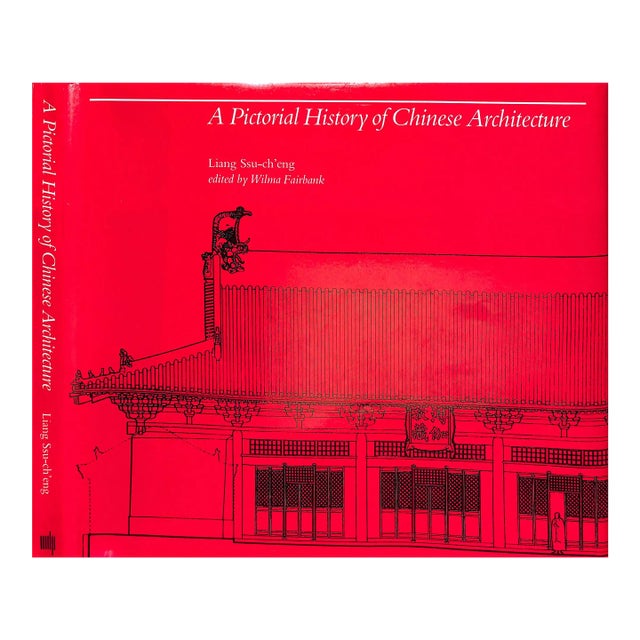
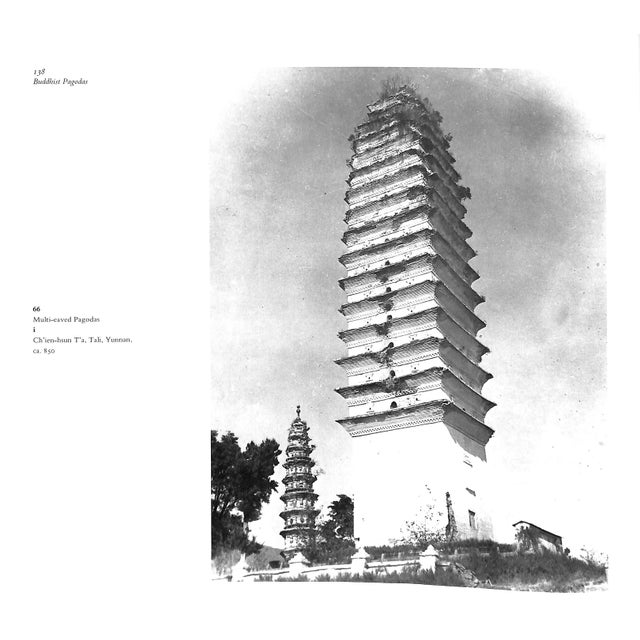
An in-depth look at Chinese architecture, including timber-frame buildings, Buddhist pagodas, tombs, terraces, bridges, and much more. Includes a glossary of terms, as well as a pronunciation guide.
Liang Ssu-ch'eng (1901-1972) was a pioneer in the scientific study of Chinese architectural history.
He virtually created this field in China, and most of its current practitioners are his students.
The book, which he wrote in English for a Western public and originally intended to publish in the 1940s, provides a rare record and analysis of temples, pagodas, tombs, bridges, and imperial palaces that are China's architectural heritage.
It is a record that could not be duplicated today because a number of the structures have since been altered or demolished.
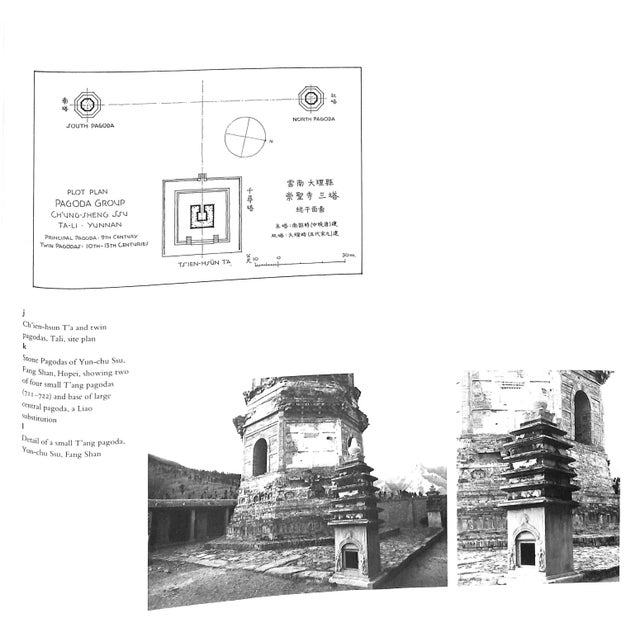
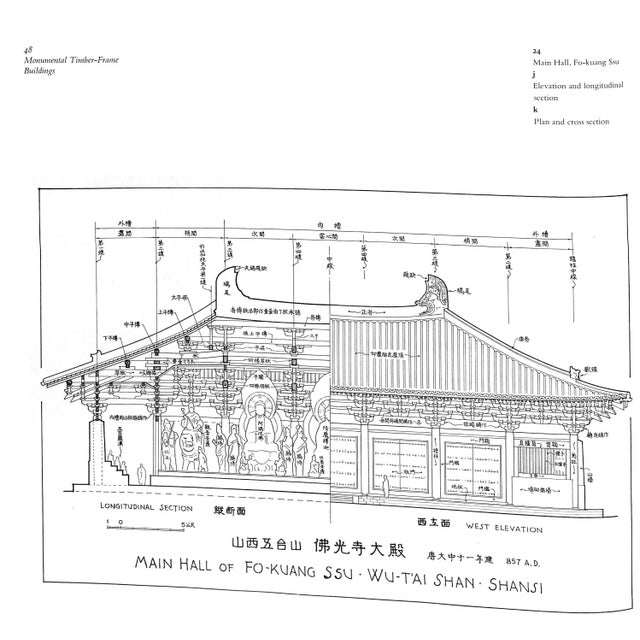
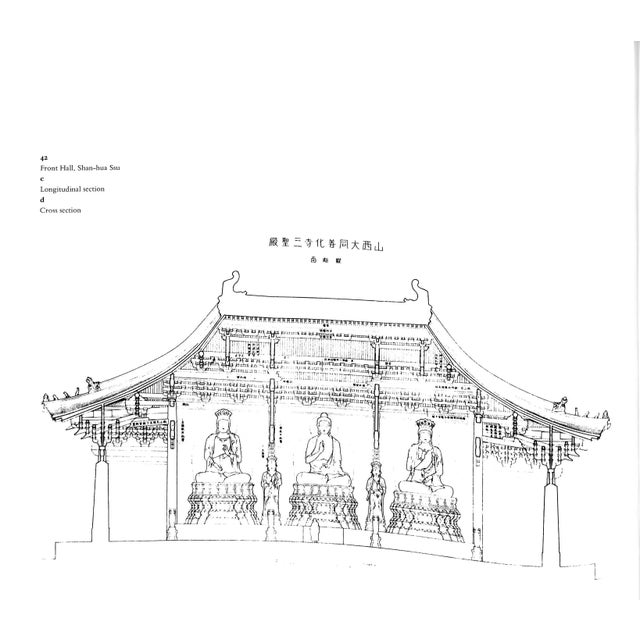
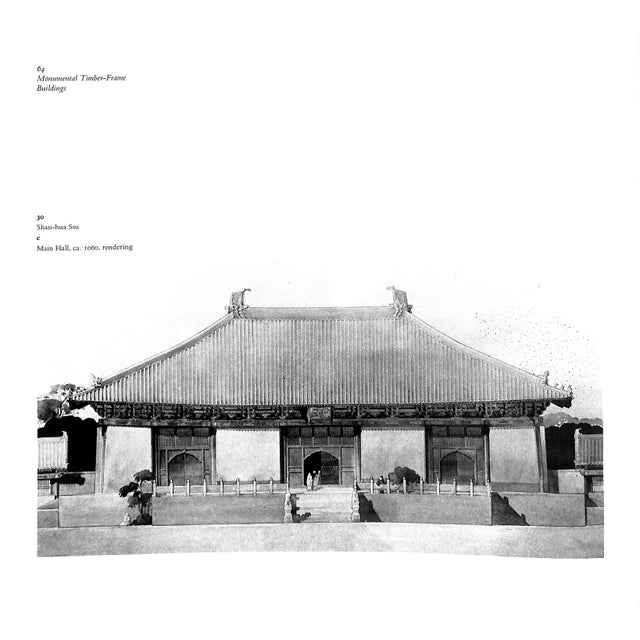
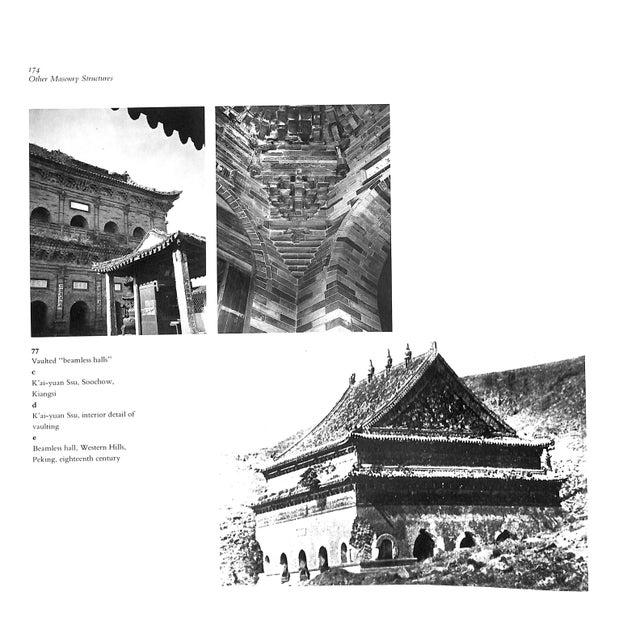
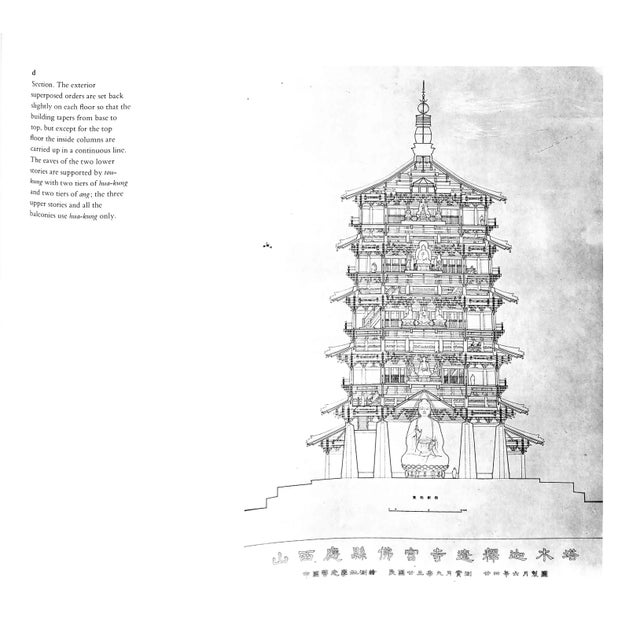
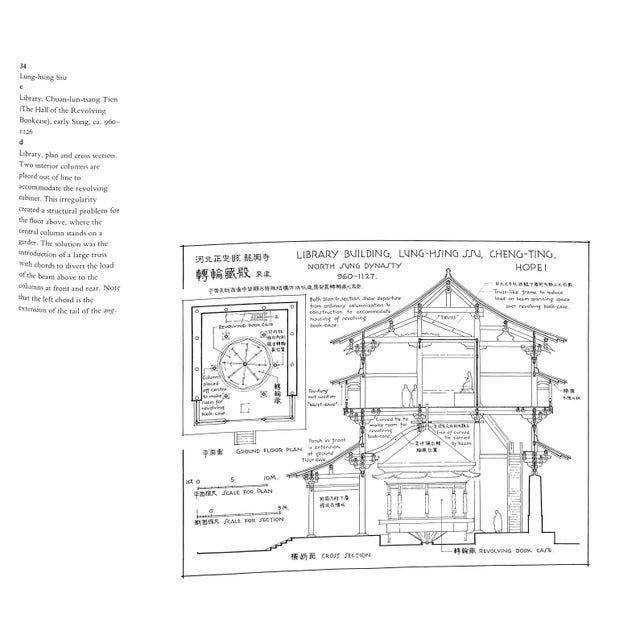
With his co-workers, Liang combed the countryside for ancient buildings which he photographed with his Leica camera and recorded in large, detailed architectural drawings of plans, elevations, and cross-sections.
These drawings are a text in themselves.
Bearing captions in Chinese and English, they teach fundamental lessons about the anatomy of Chinese structures.
Liang's account covers the origin of Chinese architecture and its two surviving basic handbooks from the 12th and 18th centuries; architecture of the pre-Buddhist period; cave temples; buildings in wood traced through several periods of stylistic development from c. 850 to 1911; Buddhist pagodas (most of the surviving pagodas are masonry structures) from simple square plans to those that are multi-storied and eaved; and other masonry structures such as tombs, vaulted buildings, bridges; terraces; and gateways.
For most of his life, Liang Ssu-ch'eng lived in China, but as a young man he received his architectural training at the University of Pennsylvania.
Wilma and John K. Fairbank first met him in China in 1932.
During his last visit to the United States, in 1947 as a Visiting Professor at Yale, Mrs. Fairbank agreed to edit his manuscript and to help him find an American publisher.
However, a combination of political and personal circumstances, compounded by the loss of the original drawings and photographs (they were only rediscovered in 1980) made publication of this unusual project impossible until now.
Liang Ssu-ch'eng
With his co-workers, Liang combed the countryside for ancient buildings which he photographed with his Leica camera and recorded in large, detailed architectural drawings of plans, elevations, and cross-sections. These drawings are a text in themselves. Bearing captions in Chinese and English, they teach fundamental lessons about the anatomy of Chinese structures.
Liang's account covers the origin of Chinese architecture and its two surviving basic handbooks from the 12th and 18th centuries; architecture of the pre-Buddhist period; cave temples; buildings in wood traced through several periods of stylistic development from c. 850 to 1911; Buddhist pagodas (most of the surviving pagodas are masonry structures) from simple square plans to those that are multi-storied and eaved; and other masonry structures such as tombs, vaulted buildings, bridges; terraces; and gateways.
For most of his life, Liang Ssu-ch'eng lived in China, but as a young man he received his architectural training at the University of Pennsylvania. Wilma and John K. Fairbank first met him in China in 1932. During his last visit to the United States, in 1947 as a Visiting Professor at Yale, Mrs. Fairbank agreed to edit his manuscript and to help him find an American publisher. However, a combination of political and personal circumstances, compounded by the loss of the original drawings and photographs (they were only rediscovered in 1980) made publication of this unusual project impossible until now.
See less
- Dimensions
- 12.5ʺW × 1ʺD × 11.25ʺH
- Styles
- Traditional
- Period
- 1980s
- Country of Origin
- United States
- Item Type
- Vintage, Antique or Pre-owned
- Materials
- Paper
- Condition
- Good Condition, Original Condition Unaltered, Some Imperfections
- Color
- White
- Condition Notes
- Fine/ Fine Fine/ Fine less
Questions about the item?
Returns & Cancellations
Return Policy - All sales are final 48 hours after delivery, unless otherwise specified in the description of the product.
Cancellation Policy - Prior to shipping or local pickup, buyers may cancel an order for up to 48 hours, unless otherwise specified.