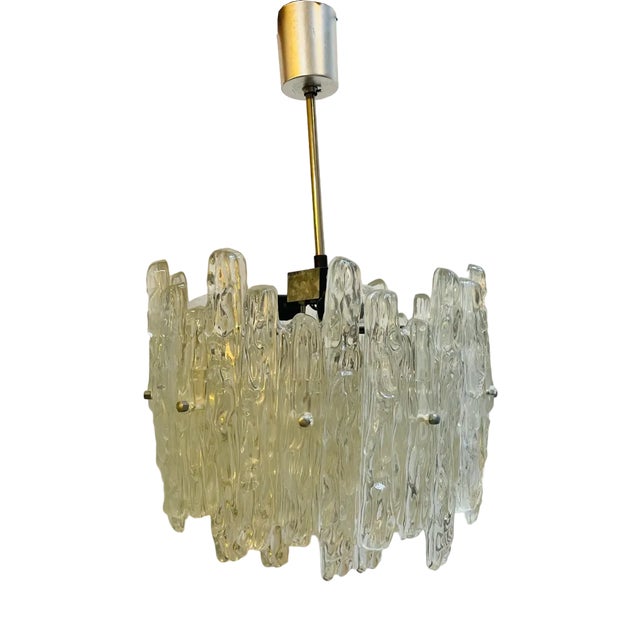
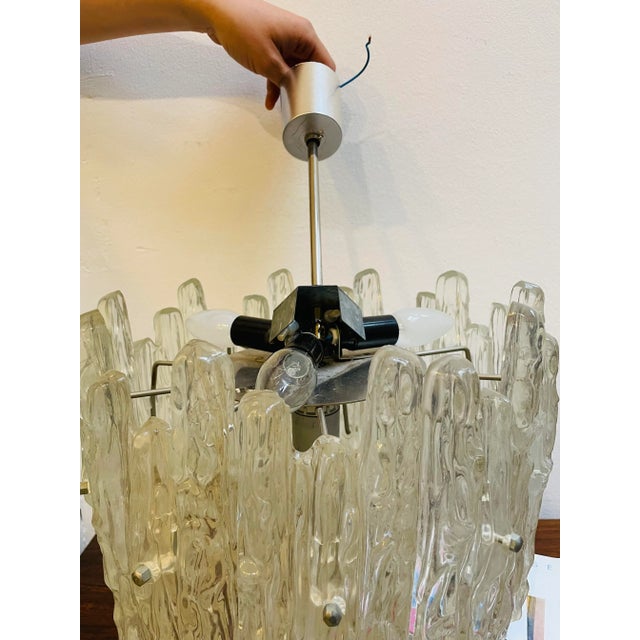


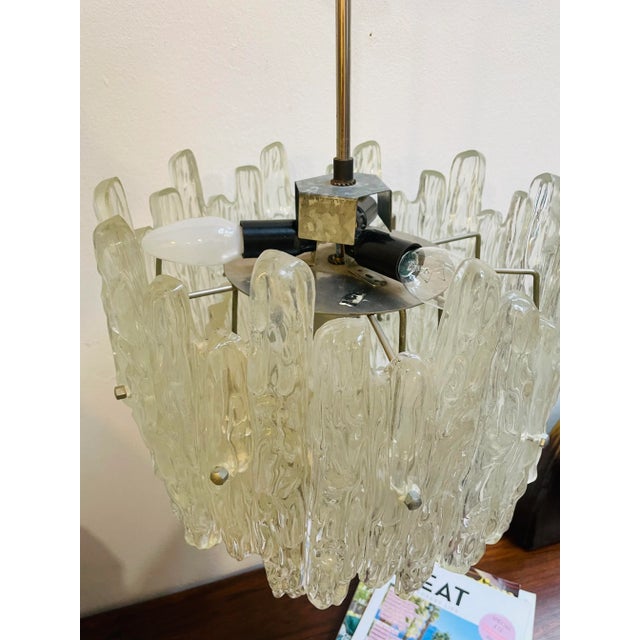
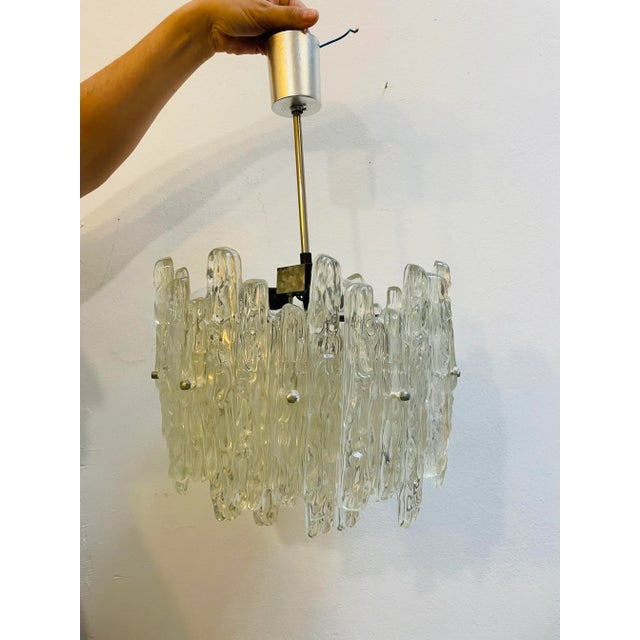
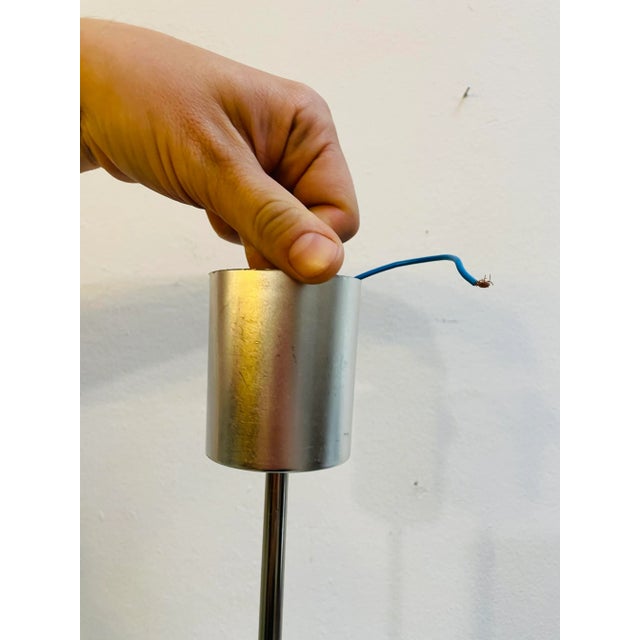
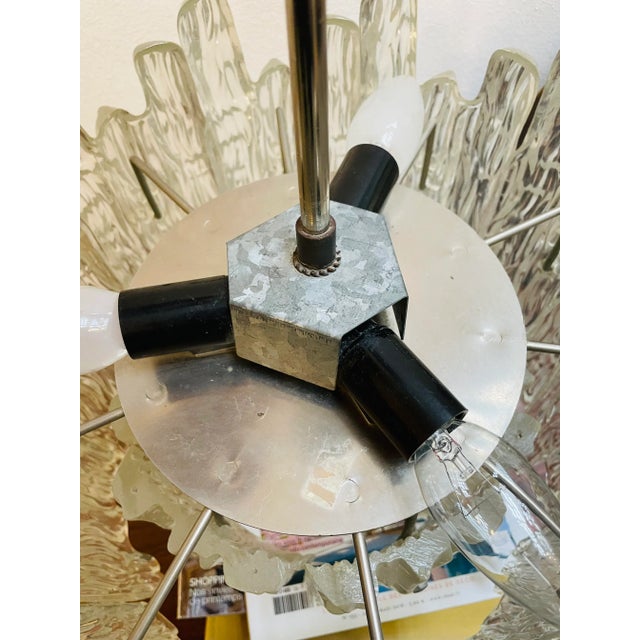


Details
Description
The austrian designer and entrepreneur julius theodor (j. T.) kalmar was born in vienna in 1884. As the son of …
Read more
The austrian designer and entrepreneur julius theodor (j. T.) kalmar was born in vienna in 1884. As the son of julius august kalmar - founder of the company of the same name, which specialized in candlesticks and other objects cast from bronze - kalmar gained extensive design experience at a young age. He went to the birmingham school of art and studied at the vienna university of applied arts under the vienna secession architect josef hoffmann (1870 - 1956).
in 1906, kalmar joined his father's company, which he took over in 1913. A strong supporter of the arts & crafts movement, kalmar led the company away from the eclecticism of the late 19th century. Kalmar's design aesthetic was characterized by the integration of form and function, as well as a mix of classic tradition and forward-looking innovation. In the 1920s, his designs dominated the influential avant-garde furniture store haus & garten, which was founded by the famous architects josef frank (1885 - 1967) and oskar wlach (1881 - 1963).
from the 1930s onwards, kalmar worked with the austrian werkbund - an association of architects, artists, craftsmen and manufacturers who stood for modernist design principles. Kalmar designed a series of glass chandeliers and furnishings for the werkbund. These pieces demonstrated the most careful execution and craftsmanship. Made from materials such as glass, bronze and copper, these designs were devoid of any decoration but were tastefully purist.
during his career, kalmar designed lighting for many renowned architects, such as josef frank and oskar wlach, oskar stmad, clemens holzmeister, oswald haerdtl, carl appel, erich boltenstern and ernst plischke, as well as for important institutions such as the vienna opera and the burgtheater and the vienna stock exchange. In the last decade of his life, kalmar developed a number of very popular lighting collections, including tulipan (circa 1960), ice glass (1960s) and atomic (1969).
kalmar died in 1968. The company continued under the leadership of his son-in-law rudols calice. Today, thomas calice is the fourth generation to run the company. Kalmar lighting can be found in prominent locations around the world, such as the rms queen mary 2, the moscow kremlin and the burj khalifa in dubai i have official proof of authenticity such as vintage catalogs,
designer records,
or other literature sources and take full responsibility for any authenticity issues arising
from
misattribution,
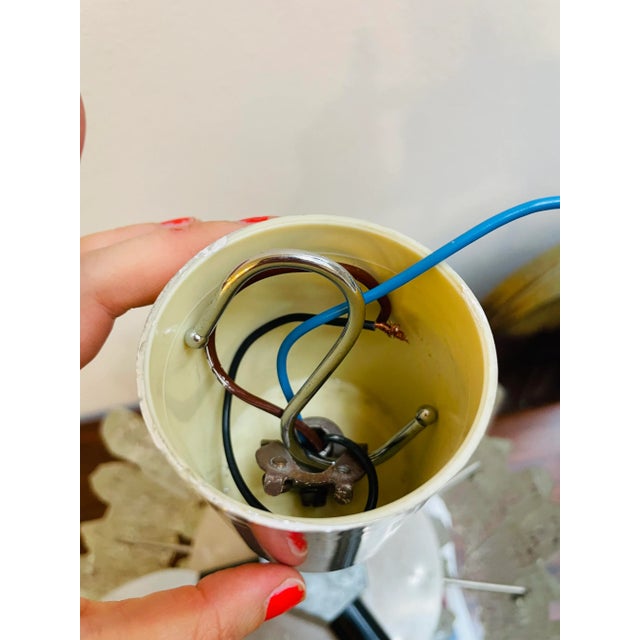
up to 250v (europe/uk standard).the wiring of this item may be original and might need replacement, if not specified otherwise.
See less
- Dimensions
- 12.99ʺW × 12.99ʺD × 21.65ʺL
- Styles
- Mid-Century Modern
- Period
- 1960s
- Country of Origin
- Austria
- Item Type
- Vintage, Antique or Pre-owned
- Materials
- Lucite
- Metal
- Condition
- Good Condition, Unknown, Some Imperfections
- Color
- Silver
- Condition Notes
- Patina Consistent with Age and Use Patina Consistent with Age and Use less
Returns & Cancellations
Return Policy - All sales are final 48 hours after delivery, unless otherwise specified in the description of the product.
Cancellation Policy - Prior to shipping or local pickup, buyers may cancel an order for up to 48 hours, unless otherwise specified.
Related Collections
- Dale Chihuly Pendant Lighting
- Josef Frank Pendant Lighting
- Louis Kalff Pendant Lighting
- Fritz Hansen Pendant Lighting
- Seagrass Pendant Lighting
- Borosilicate Glass Pendant Lighting
- Louis Majorelle Pendant Lighting
- Daum Pendant Lighting
- Moooi Pendant Lighting
- Gallery L7 Pendant Lighting
- Emile Galle Pendant Lighting
- Burgundy Pendant Lighting
- Avocado Pendant Lighting
- Mauri Almari Pendant Lighting
- Paper Mache Pendant Lighting
- Behr Pendant Lighting
- Polished Stainless Steel Finish Pendant Lighting
- Abaca Pendant Lighting
- 1970s Hanging Lamps
- Art Nouveau Pendant Lighting
- Art Deco Pendant Lighting
- Ceramic Pendant Lighting
- Alabaster Pendant Lighting
- Mid-Century Modern Pendant Lighting
- Brutalist Pendant Lighting