

Details
Description
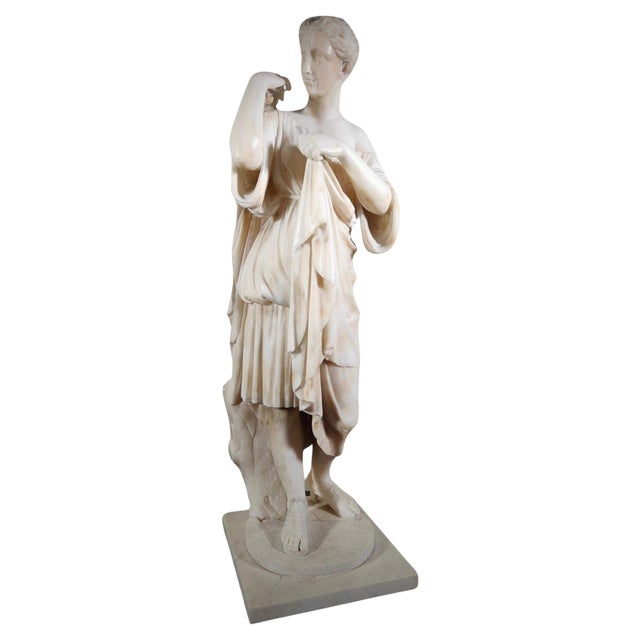
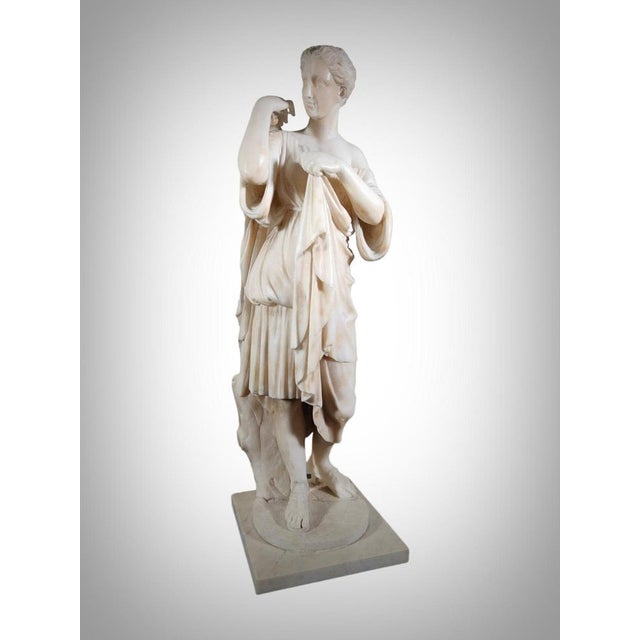
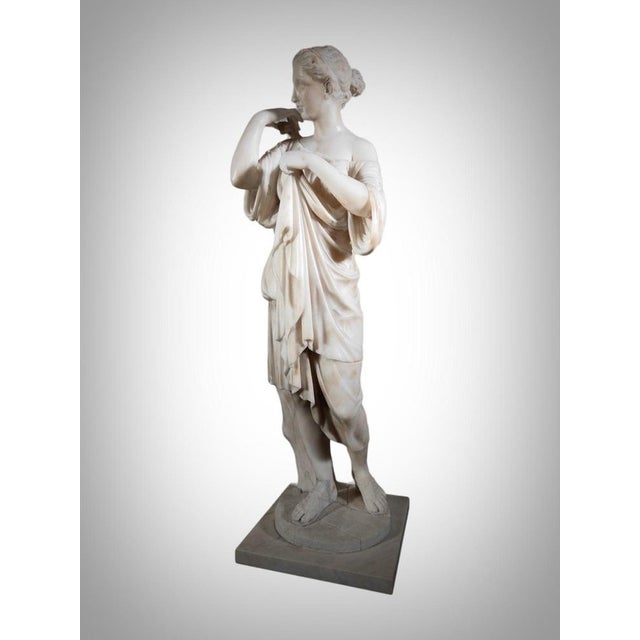
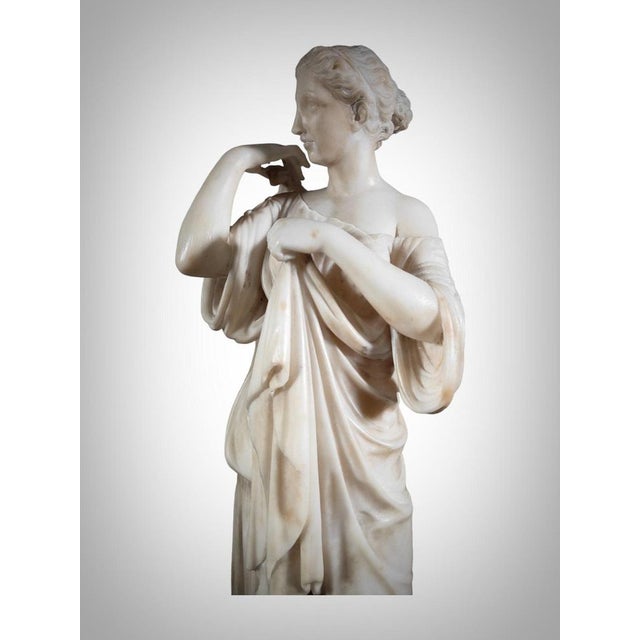
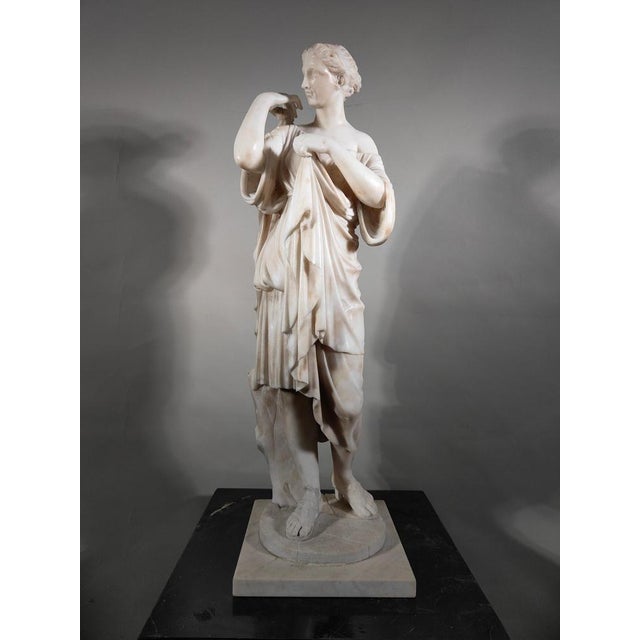
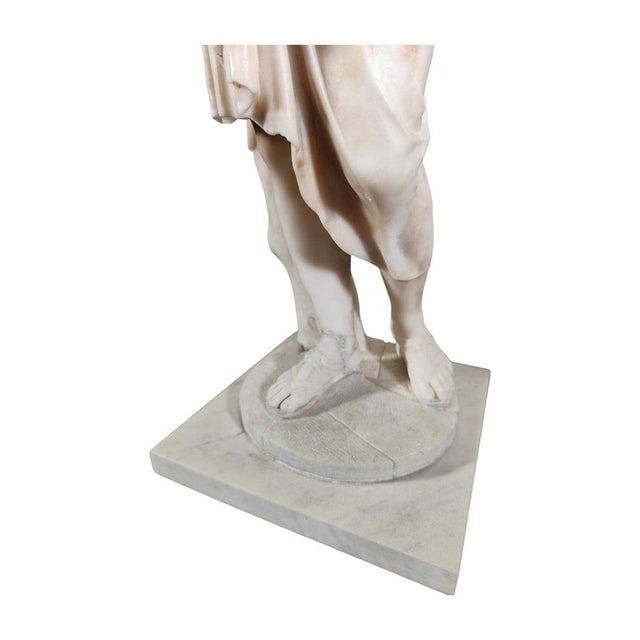
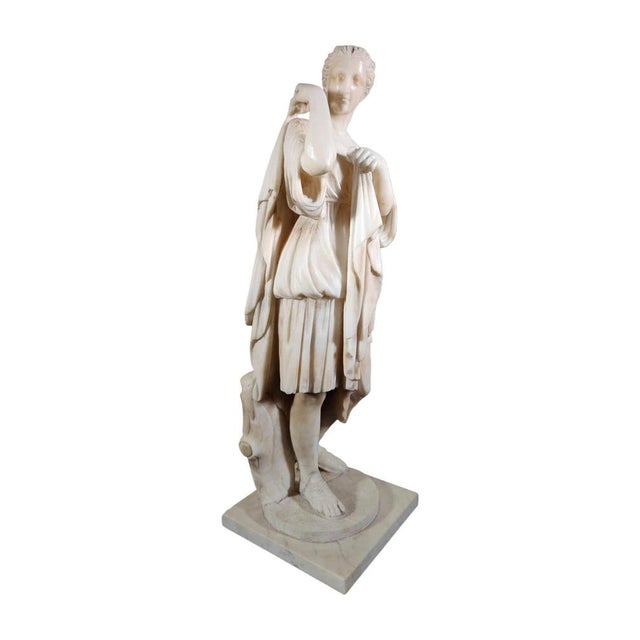
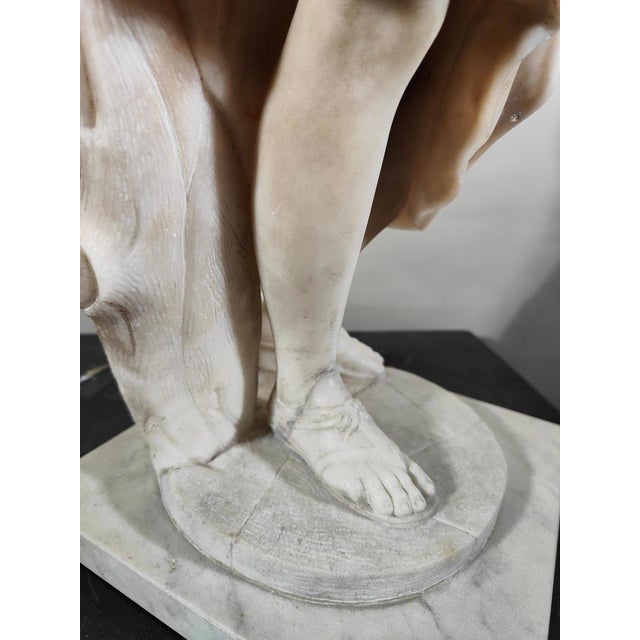
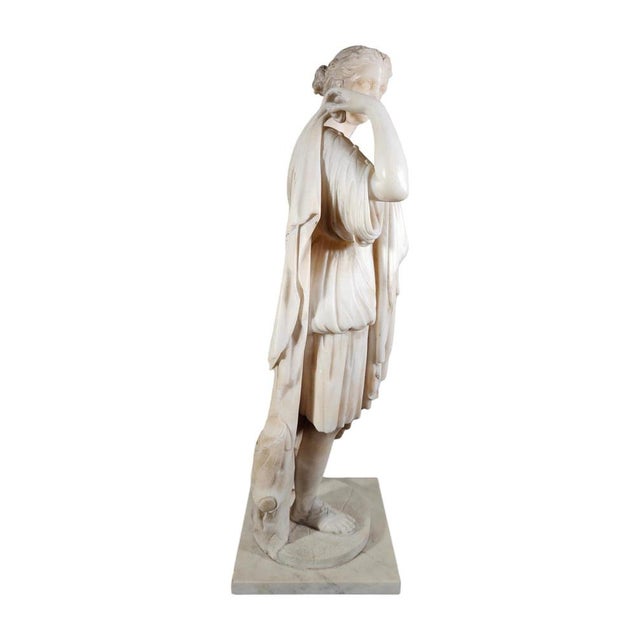
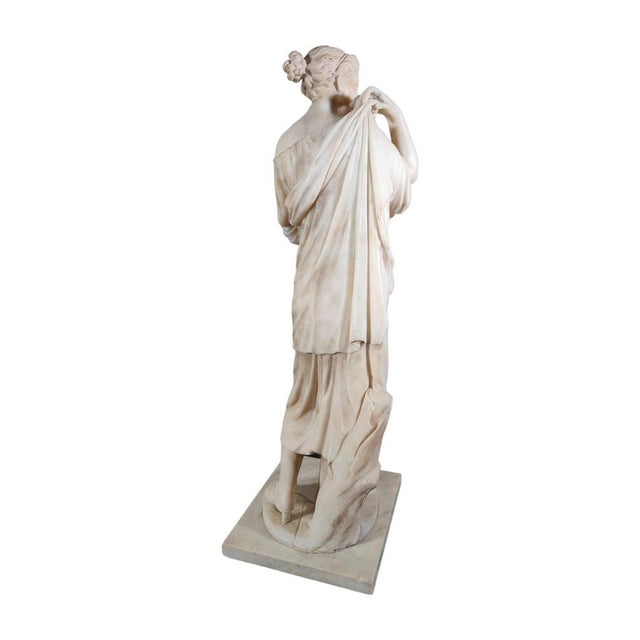
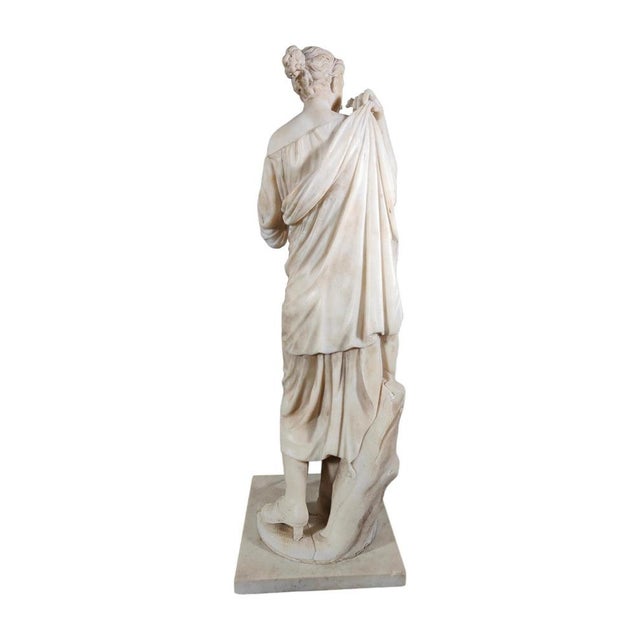
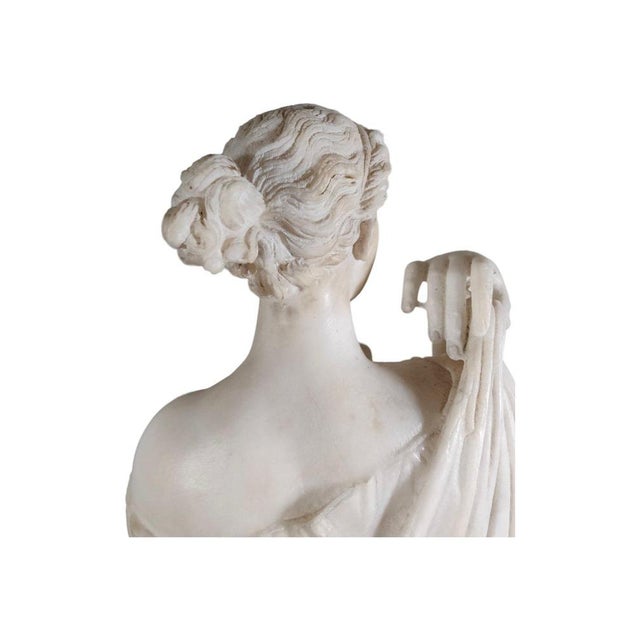
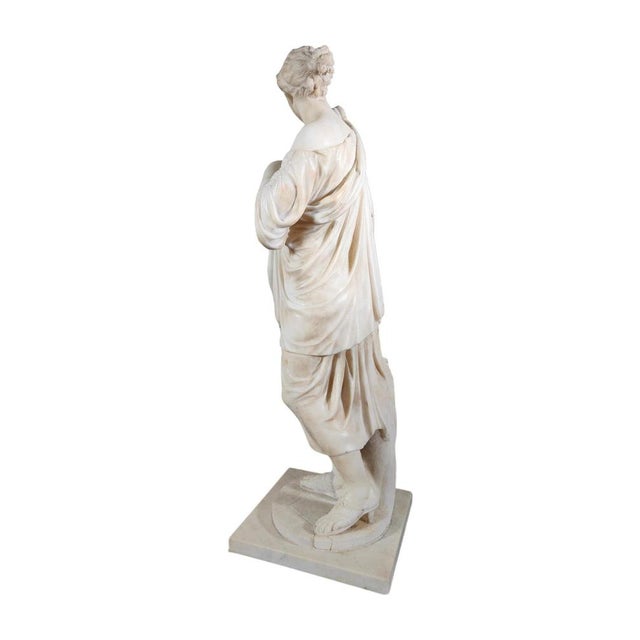
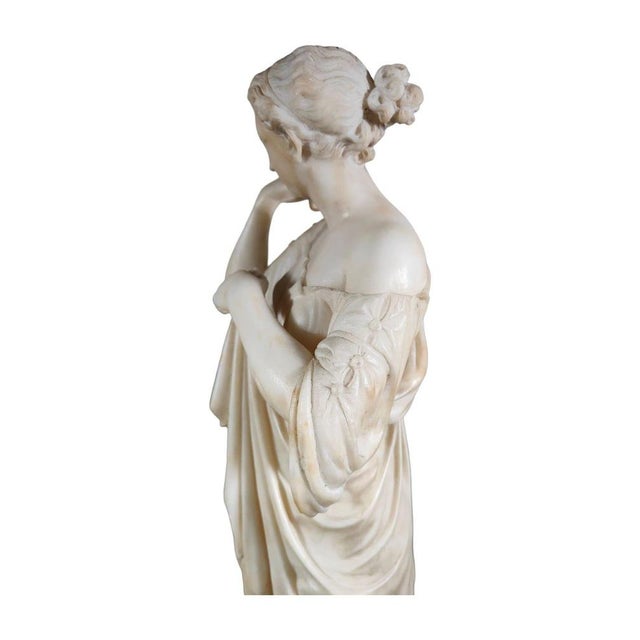
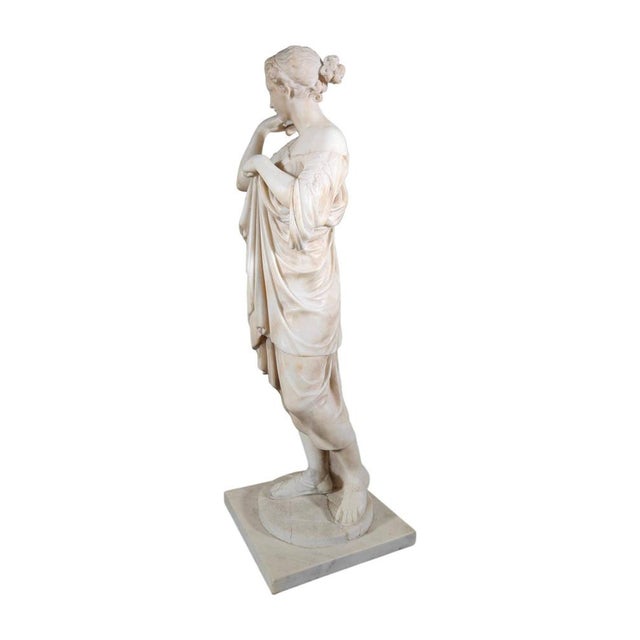
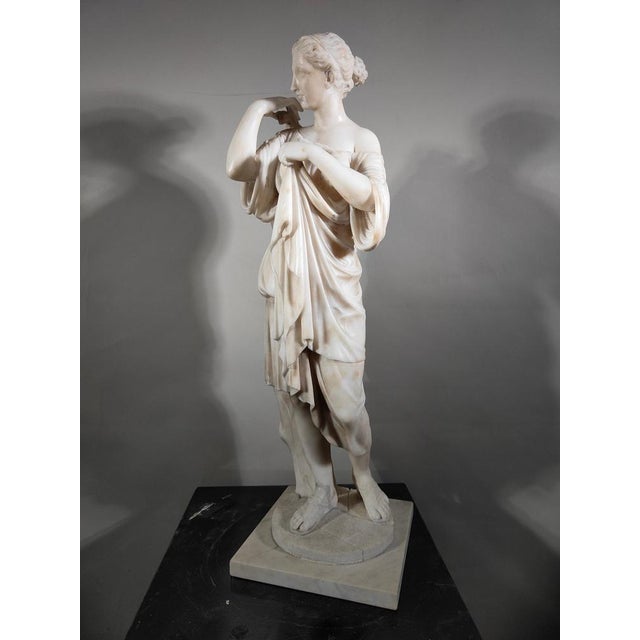
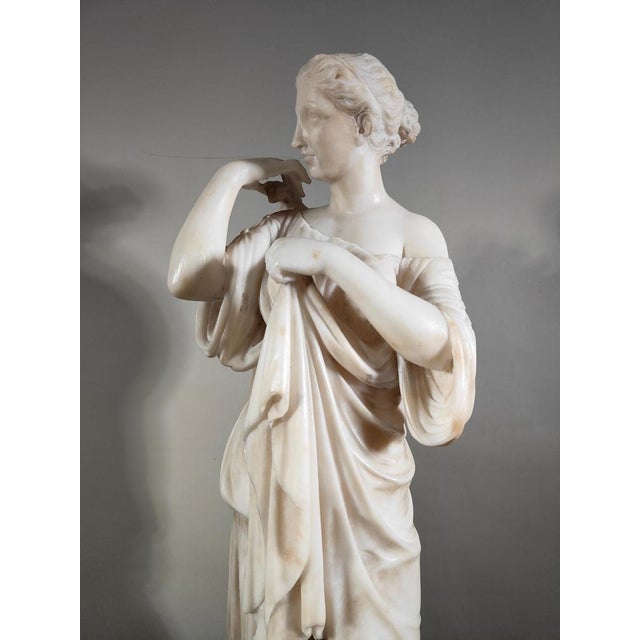
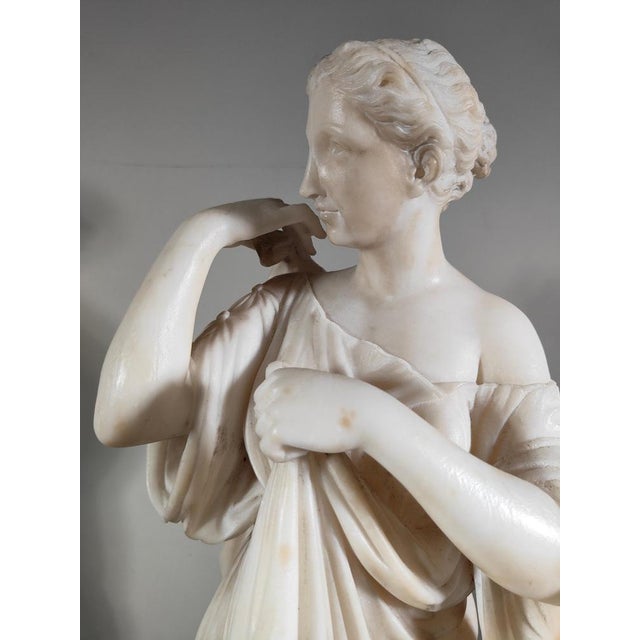
It is the sculpture of a woman covered with a draped chiton, probably representing the goddess Artemis and traditionally attributed … Read more It is the sculpture of a woman covered with a draped chiton, probably representing the goddess Artemis and traditionally attributed to the sculptor Praxiteles. Found in the ancient town of Gabios, it was part of the Borghese family collection. It is currently kept in the Louvre museum with the inventory number Ma 529. The statue was discovered by Gavin Hamilton on Prince Borghese's estate at Gabios, near Rome, 1 and immediately joined his collections. In 1807, the prince was forced to sell it to Napoleon because of his financial difficulties, and the sculpture was exhibited in the Louvre museum from 1820. The sculpture represents a standing young woman, who wears draped clothing and is sculpted to life size.2 The entire weight of her body rests on her right leg, supported by a tree trunk, while her left leg remains free. Her left foot is tilted back and the heel is raised slightly, with the toe turned outward. The deity represented is usually identified with Artemis, the chaste goddess of hunting and wild nature, based solely on her clothing,3 although another minority hypothesis considers the statue as a representation of Iphigenia.4 Indeed, the young woman dresses a short chiton with wide sleeves, typical of the hunting goddess. Her tunic is tied with two belts: one visible at the level of her waist and the other, hidden, allows a part of her clothing to be folded and therefore shorten the chiton and reveal her knees. Artemis makes the gesture of fastening her cloak: her right hand holds a fibula and gathers a skirt of the clothing over her right shoulder, while her left hand lifts the other skirt to the height of his chest. she. Her movement slides the collar of her chiton, revealing her bare left shoulder. The head is slightly turned to the right, although the goddess does not actually observe what she is doing but rather looks into space, a common gesture in statues of the second classicism.5 The wavy hair is gathered at the back of the head. with a ribbon tied at the top of the neck. Its ends are joined together forming a kind of bow held by a second invisible ribbon. It has an old repair on the right foot that does not affect the consolidation and aesthetics at all. It is made of marble and alabaster. Measurements: 62x20x20 cm See less
- Dimensions
- 7.87ʺW × 7.87ʺD × 24.41ʺH
- Art Subjects
- Figure
- Period
- Late 19th Century
- Item Type
- Vintage, Antique or Pre-owned
- Materials
- Marble
- Condition
- Good Condition, Unknown, Some Imperfections
- Color
- Condition Notes
- Very Good — This vintage item has no defects, but it may show slight traces of use. Very Good — This vintage item has no defects, but it may show slight traces of use. less
Returns & Cancellations
Return Policy - All sales are final 48 hours after delivery, unless otherwise specified in the description of the product.
Cancellation Policy - Prior to shipping or local pickup, buyers may cancel an order for up to 48 hours, unless otherwise specified.
Related Collections
- Fernando Botero Sculpture
- Constantin Brancusi Sculpture
- Louis XIV Sculpture
- Far Pavilions Sculpture
- Bakelite Sculpture
- Gold-Plate Sculpture
- Antique Iron Finish Sculpture
- Albert Ernest Carrier-Belleuse Sculpture
- Polished Brass Finish Sculpture
- Sculpture in Panama City, FL
- Photography Sculpture
- Sculpture in Columbus
- Recycled/Repurposed Sculpture
- Maison Jansen Sculpture
- Worlds Away Sculpture
- Magenta Sculpture
- Flavio Poli Sculpture
- Bentwood Sculpture
- Georgian Sculpture
- Witco Sculpture
- Barovier and Toso Sculpture
- Austin Productions Sculpture
- Alabaster Sculpture
- Mid-Century Modern Sculpture
- Brutalist Sculpture